The United States is experiencing a substantial increase in planned gas-fired power projects, primarily driven by the escalating demand from data centers. A recent report indicates that these projects reached 189 gigawatts in the first half of 2026, representing an almost twofold increase compared to the previous year.
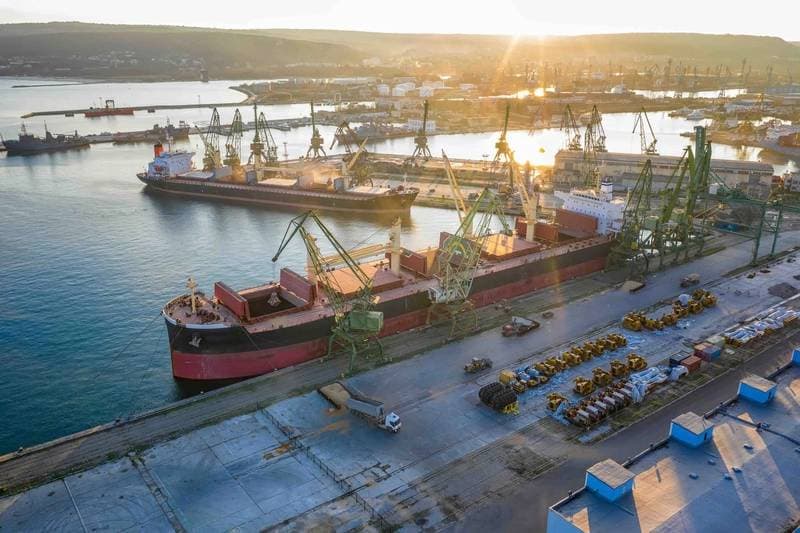
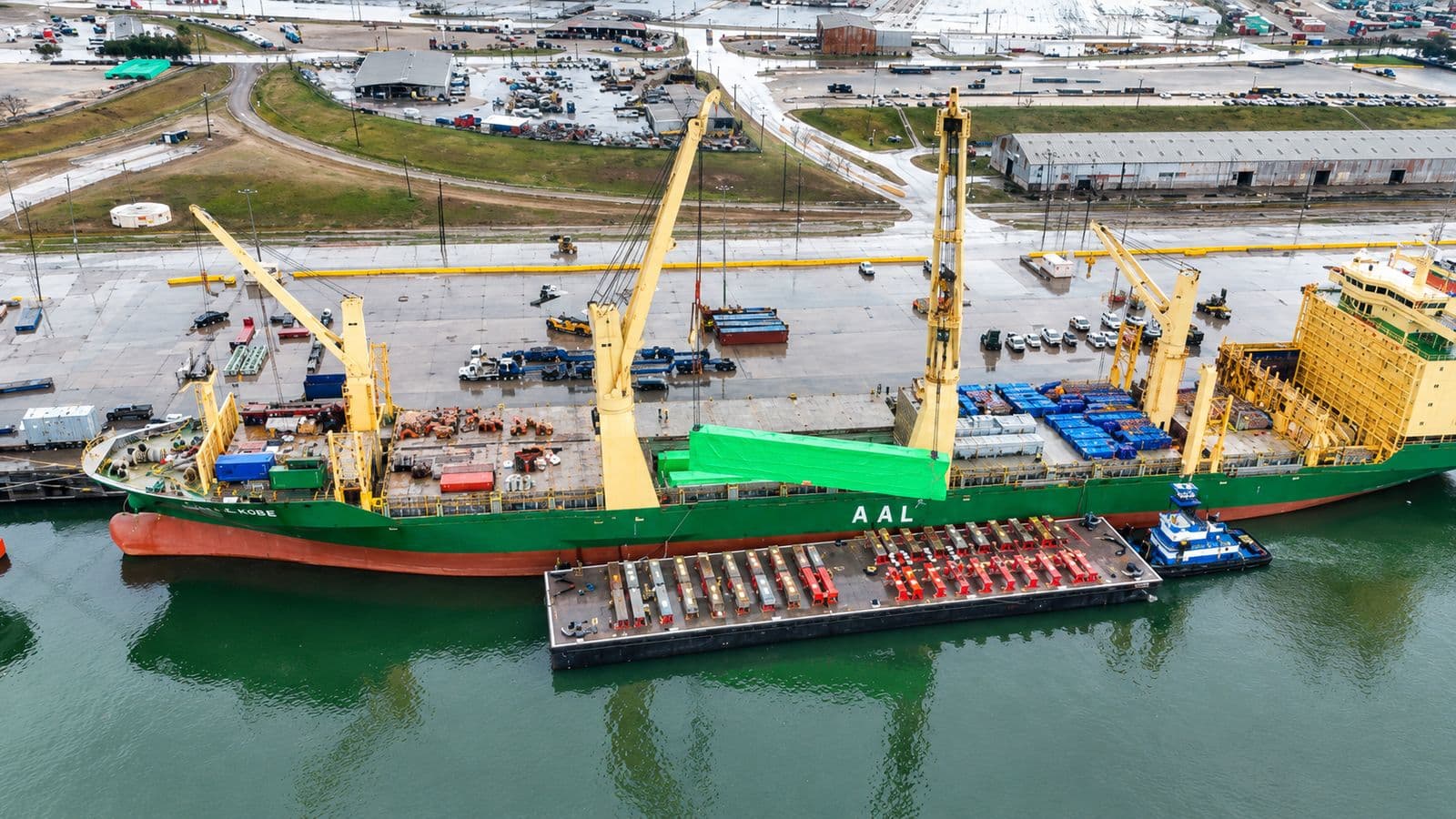
This rapid expansion is creating significant logistical challenges, particularly for project cargo. The construction of new gas-fired power plants requires the transportation of numerous oversized and heavy-lift components, such as turbines, generators, and other large industrial equipment. The sudden surge in demand for these specialized logistics services is leading to intensified bottlenecks across the supply chain.
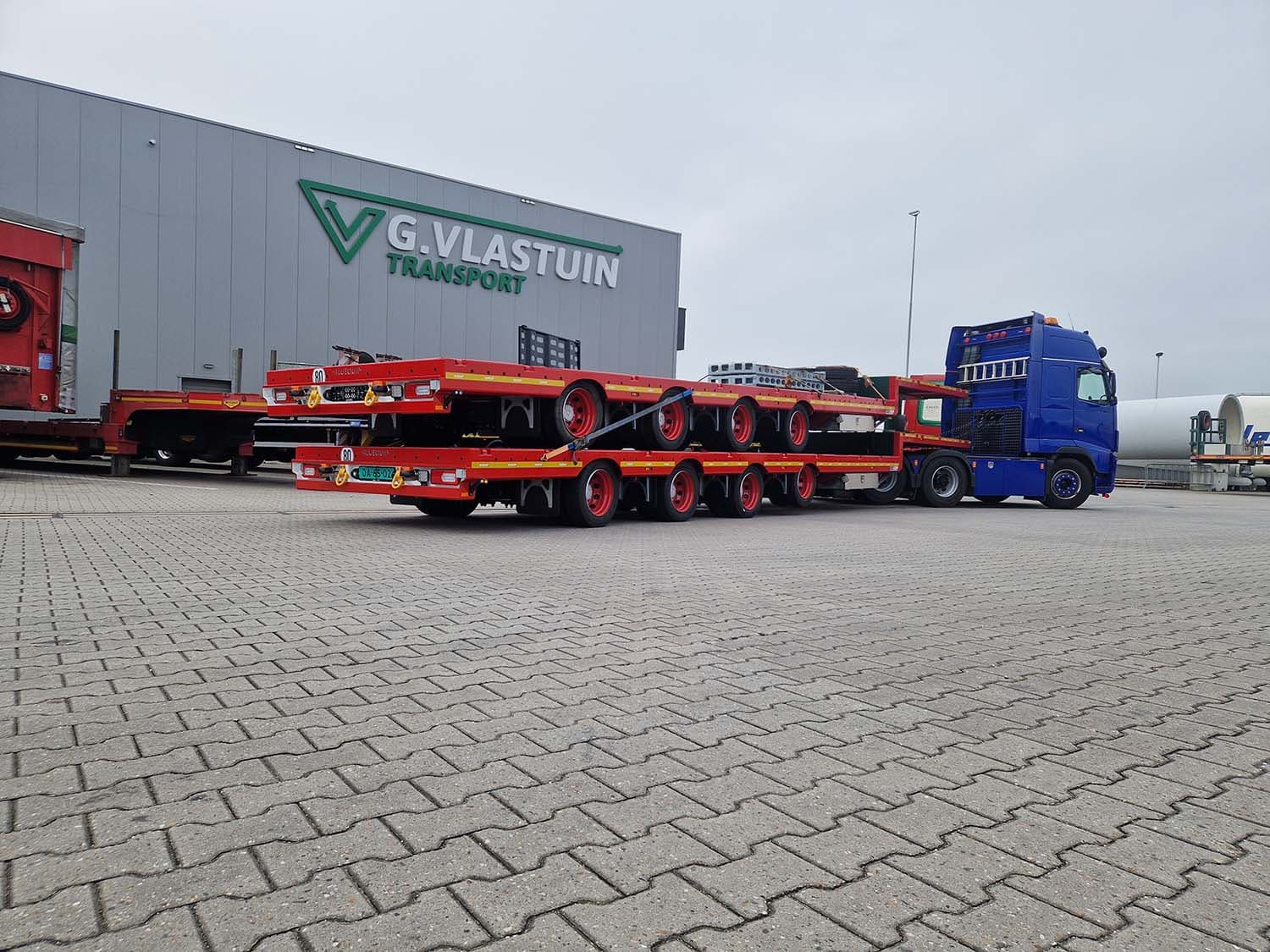
For freight forwarders and operations managers, this trend means increased pressure on capacity for specialized vessels, heavy-haul road transport, and rail. Securing suitable equipment and planning complex routes for oversized cargo will become more challenging and potentially more expensive. Shippers involved in these projects should anticipate longer lead times and higher freight costs, necessitating early booking and meticulous planning to avoid delays in project timelines. The demand for specialized port handling and storage for these large components will also likely increase.
While the article does not specify future developments, the continued growth of data centers suggests that the demand for new power infrastructure and, consequently, project cargo services, will persist. This will likely lead to sustained pressure on the heavy-lift and project logistics sector.