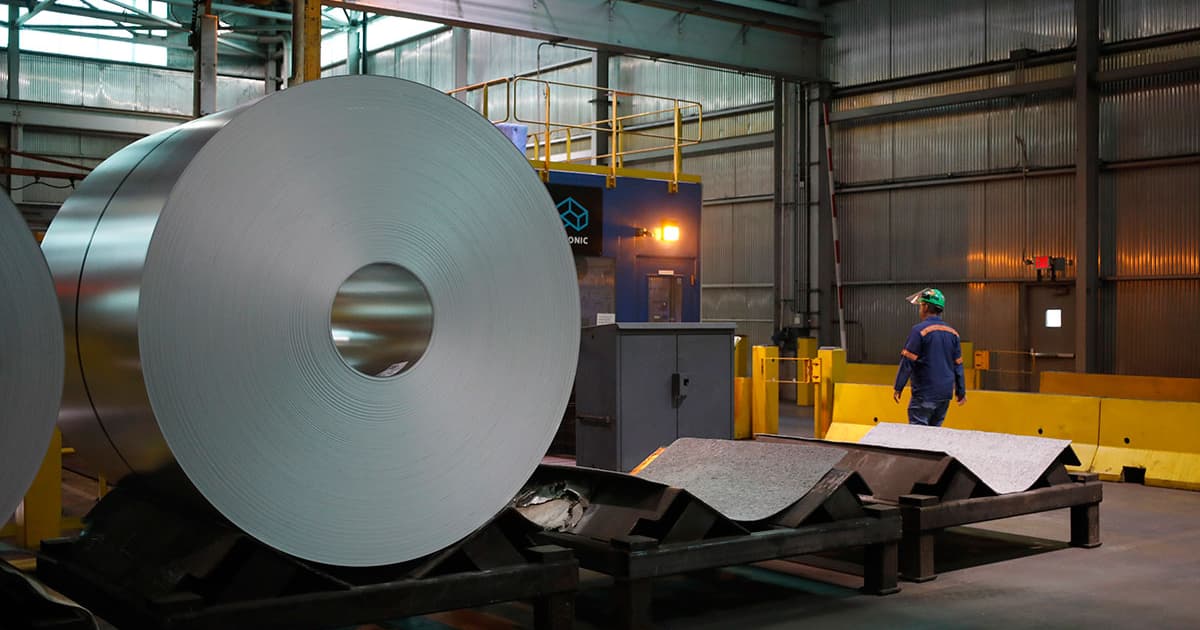
Industry groups representing the aluminum sectors in both the United States and Canada are calling for an end to the ongoing tariff disputes between the two nations. They argue that these tariffs are counterproductive and divert attention from larger, shared economic concerns. Instead, the associations propose that both countries collaborate on a common strategy to counter what they perceive as unfair trade practices from China.
For freight forwarders and logistics professionals, a reduction or elimination of these tariffs could lead to more stable and predictable cross-border movements of aluminum and related goods between the US and Canada. This would simplify customs procedures and potentially lower landed costs for shippers, improving supply chain efficiency. Conversely, a unified stance against China might introduce new trade complexities or rerouting requirements for goods originating from or transiting through China, impacting global supply chains.
This push for a unified North American approach underscores a broader desire within the industry to create a more resilient and competitive regional aluminum market. By resolving internal trade frictions, the US and Canada could better leverage their combined economic influence on the global stage, particularly concerning major trade partners like China. The outcome of these discussions could influence future trade policies and the flow of goods across the continent.