Ukrainian President Volodymyr Zelenskyy has announced that Russia rejected Ukraine's offer for a truce on attacks against ships carrying agricultural commodities in the Black Sea. The proposal aimed to secure safe passage for grain and other foodstuffs, which are crucial exports for Ukraine.
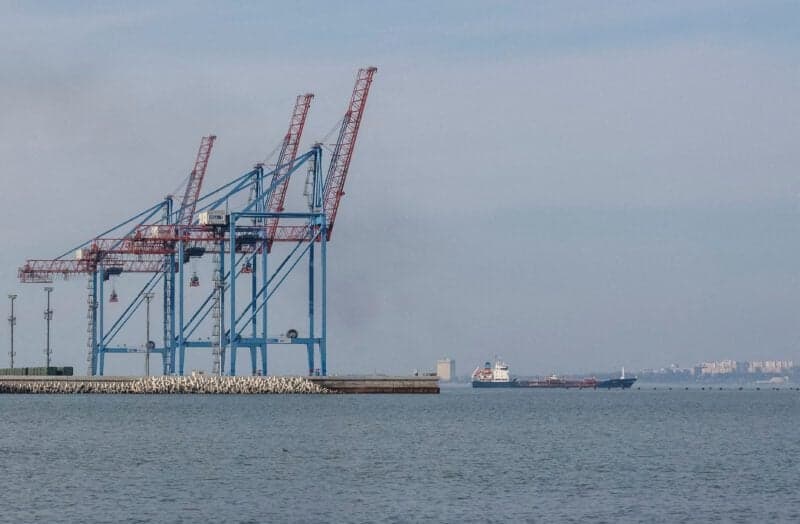
This development follows previous agreements, such as the UN-brokered Black Sea Grain Initiative, which allowed for the safe export of Ukrainian grain despite the ongoing conflict. Russia's withdrawal from such initiatives and subsequent targeting of port infrastructure and vessels have significantly disrupted global food supply chains.
For freight forwarders and shippers, this rejection means continued high risk and uncertainty in the Black Sea region. War risk premiums for insurance are likely to remain elevated, and carriers may continue to avoid the area or impose surcharges. Capacity for grain shipments could be constrained, and routing options limited, potentially leading to higher freight rates and longer transit times for agricultural products originating from Ukraine. Operational planning will need to account for the persistent threat of attacks and the potential for sudden disruptions.
The situation remains volatile, with no immediate resolution in sight for safe maritime passage in the Black Sea.