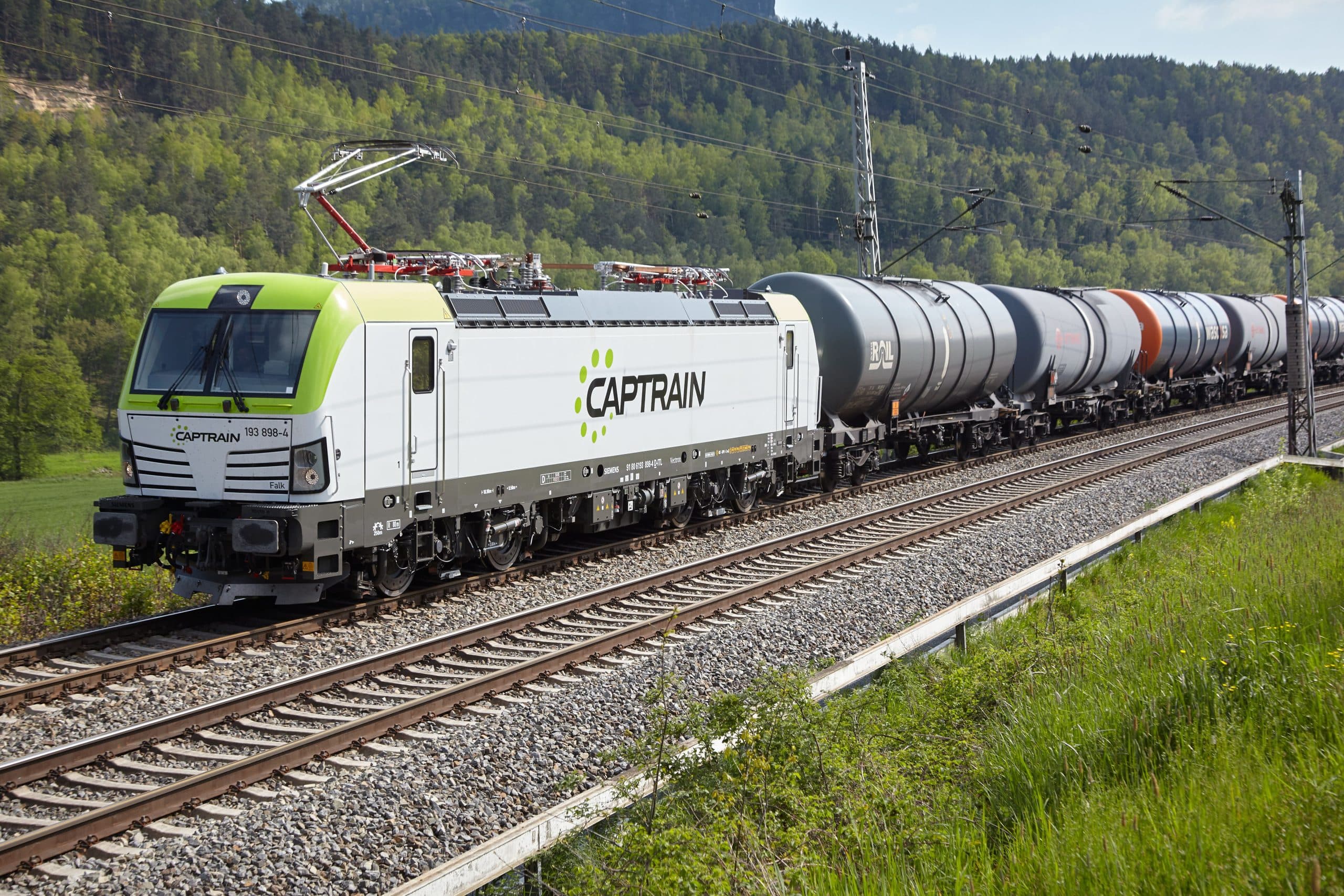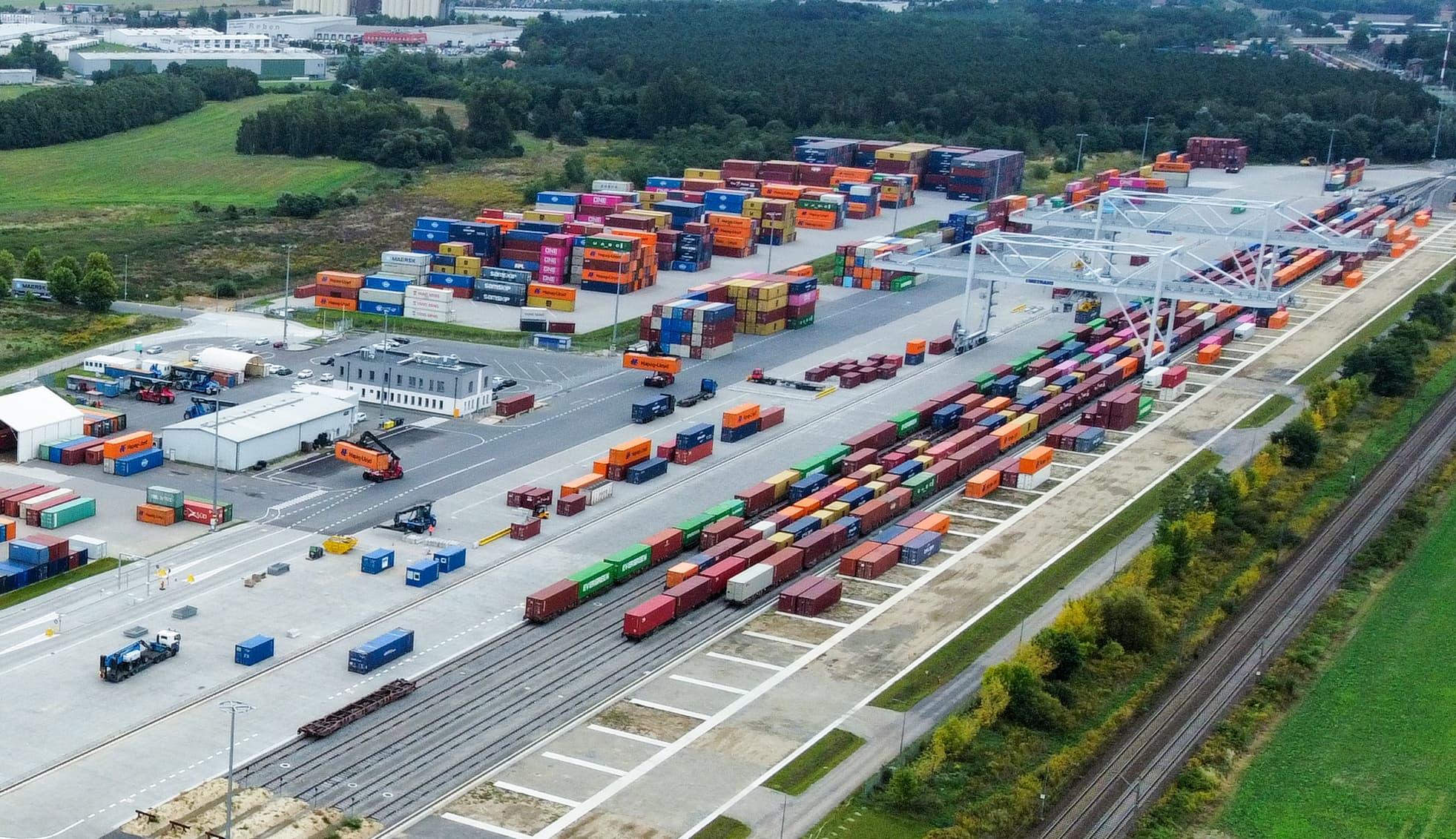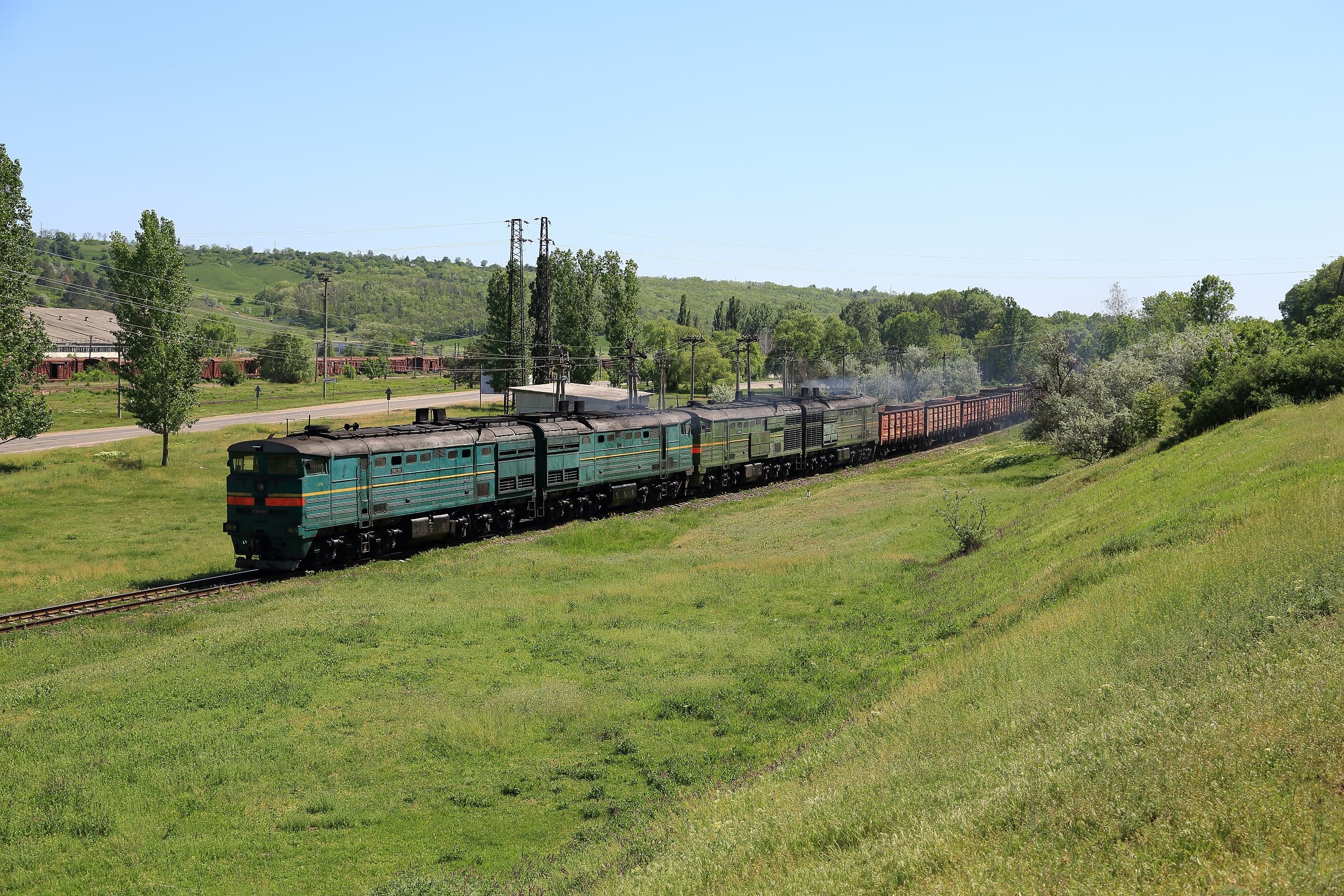
Ukraine has formally asked Moldova for a reduction in rail transit fees to facilitate the movement of goods, particularly exports, via alternative land routes. This request comes as the Black Sea port of Odesa faces renewed security concerns, leading major global shipping companies to decrease their calls to the port. The current situation mirrors earlier periods of the ongoing conflict, where maritime access to Ukrainian ports was severely restricted or deemed too risky.
For freight forwarders and operations managers, this development signals a potential shift in routing strategies for Ukrainian cargo. Increased reliance on rail through Moldova could alleviate some pressure on Black Sea shipping, but it also introduces new considerations regarding transit times, rail capacity, and associated costs. A transit discount, if granted, would make the Moldovan rail corridor more competitive, potentially stabilizing export flows for Ukrainian shippers. Forwarders should monitor the negotiations between Ukraine and Moldova closely, as a successful agreement could lead to more predictable and cost-effective land-based logistics options for cargo originating from or destined for Ukraine.