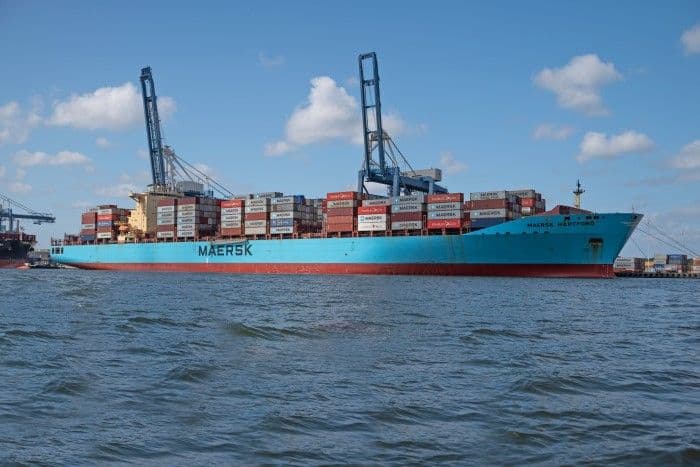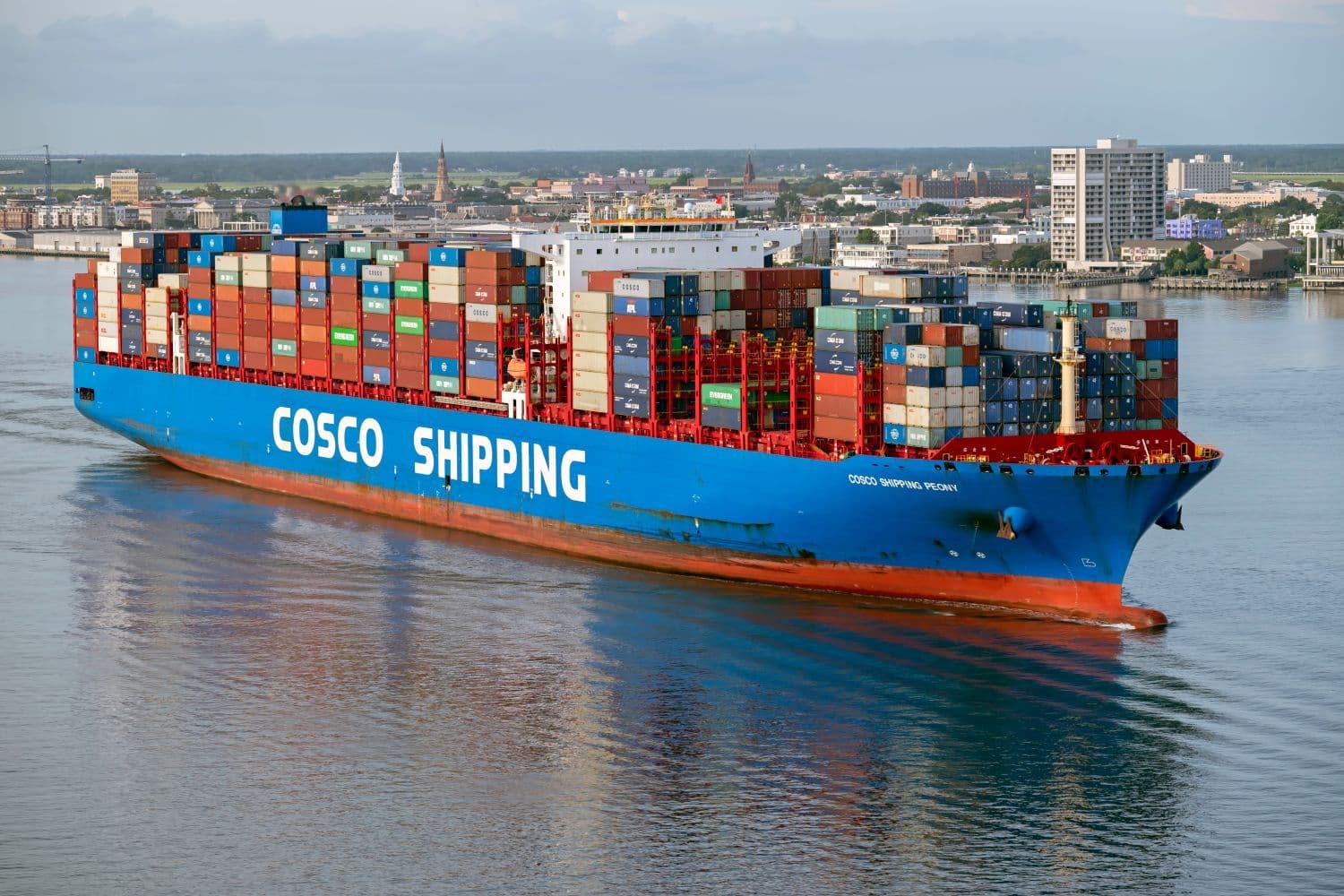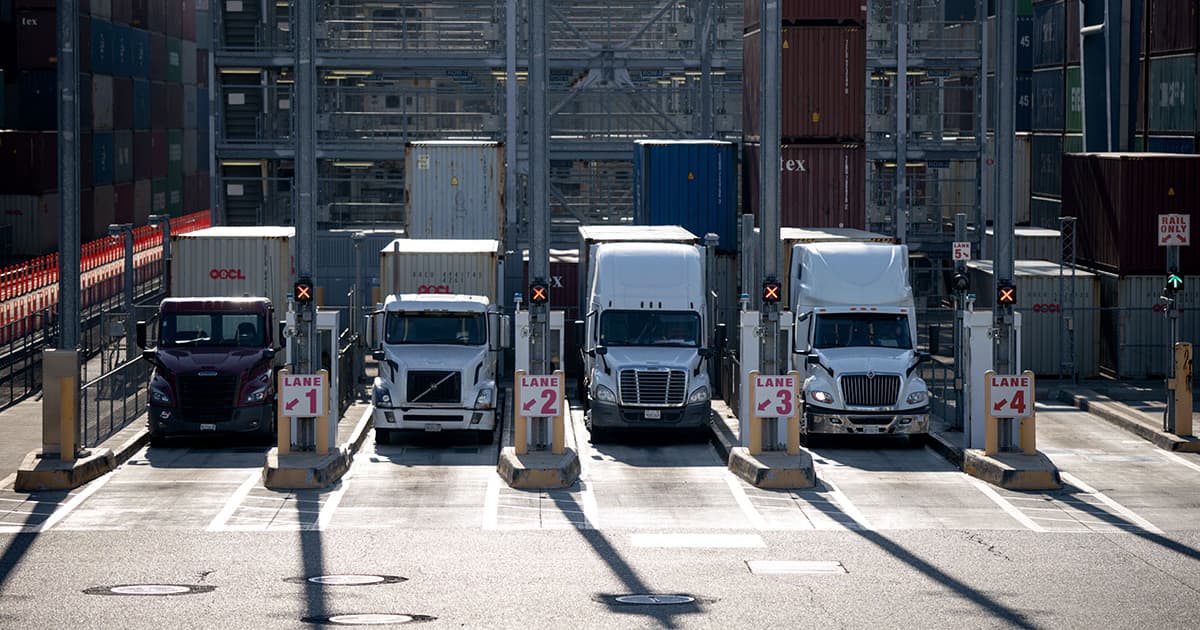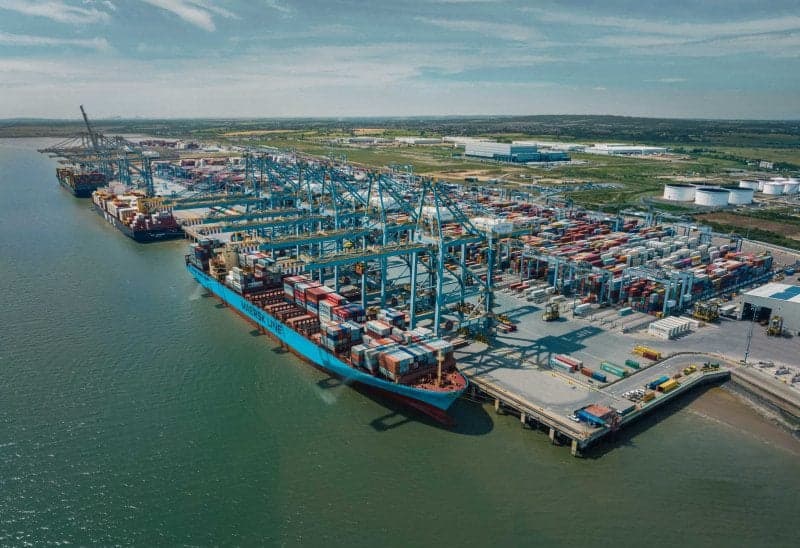
Britain's port operators are warning that the country's ambitious maritime decarbonization targets are at risk due to critical infrastructure and economic barriers. Ports require a substantial increase in electricity supply to implement shore power facilities, support vessel charging, and enable the use of alternative fuels. However, they are experiencing prolonged delays in obtaining necessary grid connections, coupled with high energy costs, which make these sustainable investments less viable.
For freight forwarders and operations managers, this situation implies potential delays in the rollout of green shipping initiatives in the UK. The slower adoption of shore power could mean vessels continue to rely on auxiliary engines in port, impacting local air quality and potentially limiting options for carriers aiming to reduce their carbon footprint. Higher energy costs for ports might also translate into increased operational expenses, which could eventually be passed on to shippers through port fees or surcharges, affecting overall logistics costs for UK-bound or UK-originating cargo.