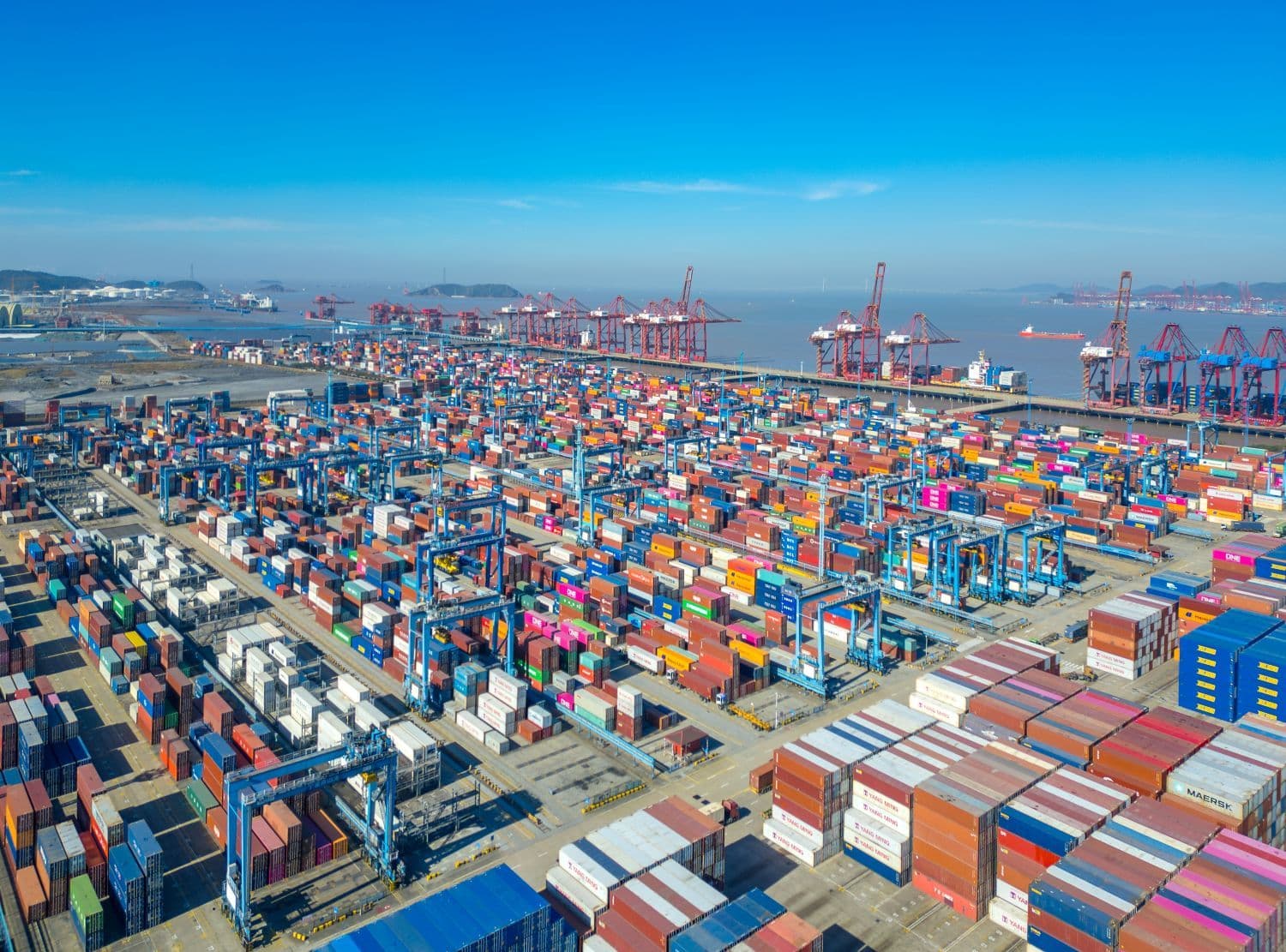
Typhoon Saudel has triggered a new wave of disruptions across key ports in North and East Asia, resulting in a rise in transshipment activities, cargo rollovers, and instances of vessels bypassing scheduled port calls. This weather event is further complicated by existing high yard density at these ports, which is creating additional chokepoints in the logistics chain.
For freight forwarders and shippers, these disruptions mean potential delays in cargo delivery and increased uncertainty in vessel schedules. The combination of skipped calls and cargo rollovers could lead to higher operational costs and the need for alternative routing or expedited services. The elevated yard density suggests that even after the typhoon passes, port operations may take longer to normalize, impacting overall supply chain fluidity and potentially tightening available capacity.