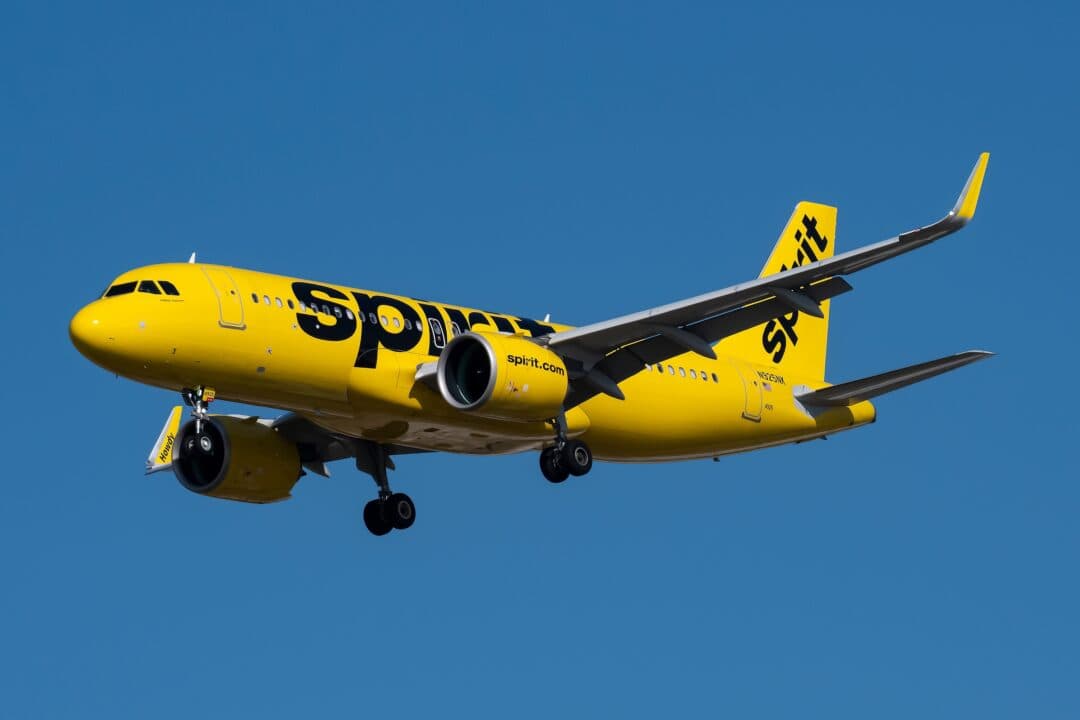
Following Spirit Airlines' bankruptcy and the halt of its operations three months ago, the narrowbody aircraft aftermarket is observing distinct trends in the disposition of its former fleet. While the A320-family airframes are being channeled into storage, sales, lease returns, and teardowns, the associated engines, particularly the PW1100G and V2500 models, are experiencing a more accelerated redeployment.
These engines are actively being leased to other operators, repositioned to different locations, and routed through Maintenance, Repair, and Overhaul (MRO) facilities or the Used Serviceable Material (USM) market. This rapid movement of engines suggests a strong demand for these specific powerplants within the aviation sector, possibly due to existing fleet requirements or maintenance cycles of other airlines.
For freight forwarders and logistics professionals involved in air cargo, this situation highlights the dynamic nature of aircraft component logistics. While the article focuses on passenger aircraft, the underlying principles of asset recovery and redistribution in an airline bankruptcy can impact cargo operations. The availability and movement of aircraft components, even from passenger fleets, can influence maintenance schedules and operational readiness across the broader aviation industry. This could indirectly affect capacity or lead times for specialized air cargo requiring specific aircraft types or maintenance support.