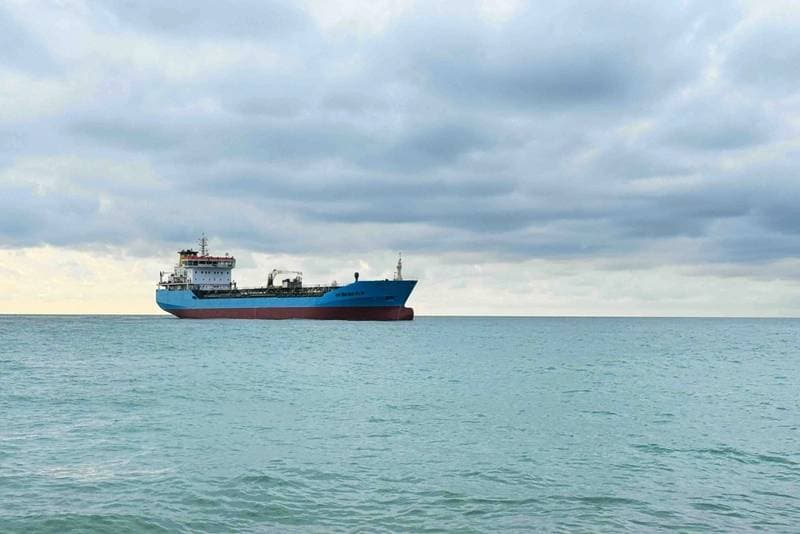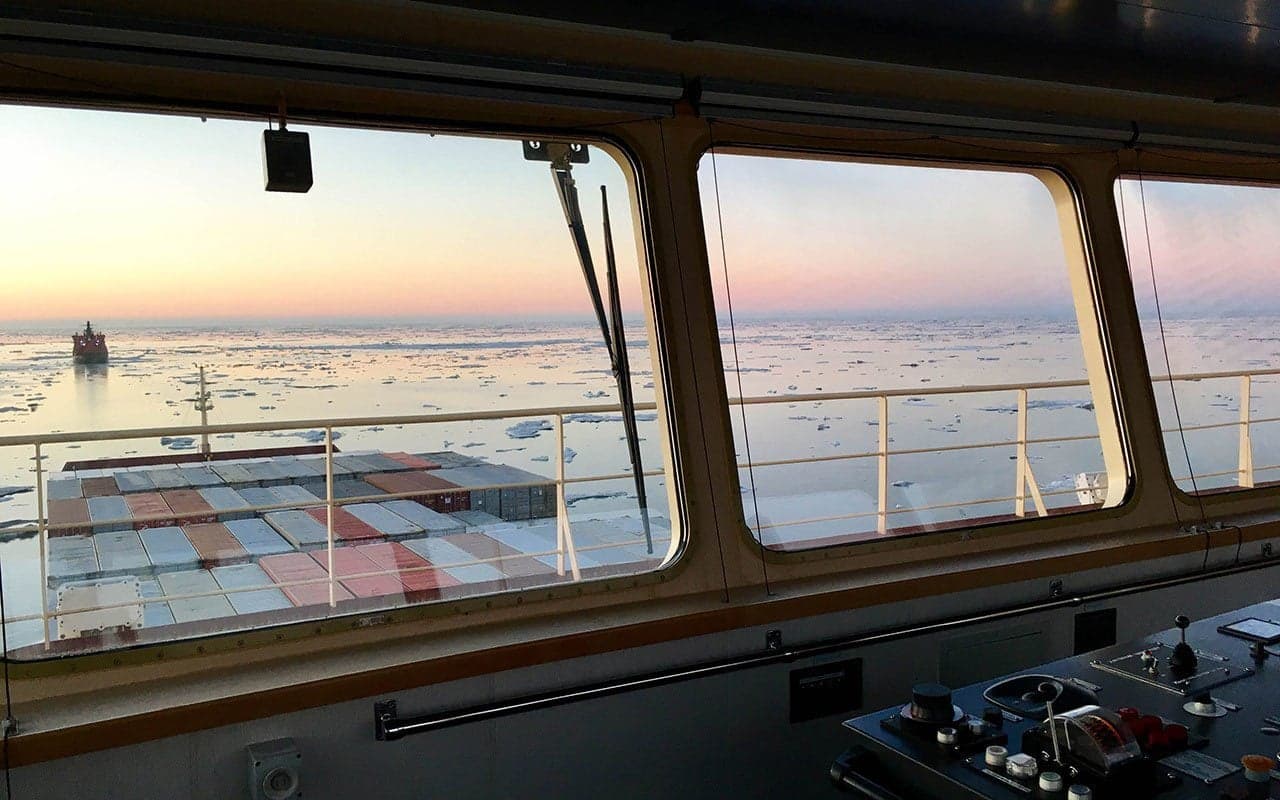
South Korea is launching a trial voyage with a container ship from its shores to Europe, utilizing the Arctic Sea Route. The primary objective of this expedition is to evaluate the commercial viability of this northern passage, which has become increasingly accessible due to melting sea ice. The journey is intended to provide crucial data on transit times, operational challenges, and cost-effectiveness compared to traditional routes.
Historically, the Arctic Sea Route has been largely impassable for commercial shipping due to thick ice. However, climate change has led to significant ice melt, opening up the possibility of a shorter transit between Asia and Europe. This route could potentially reduce sailing distances and fuel consumption, offering an attractive alternative for maritime logistics.
For freight forwarders and shippers, a commercially viable Arctic route could represent a significant shift in global trade lanes. It could offer shorter transit times for cargo between Asia and Europe, potentially leading to reduced lead times and lower inventory costs. However, the operational complexities, including specialized ice-class vessels, potential insurance premiums, and the need for Russian icebreaker assistance, would need careful consideration. The geopolitical implications, particularly regarding cooperation with Russia, also add a layer of uncertainty for long-term planning.
Future developments will depend on the outcomes of this and subsequent trial voyages, as well as ongoing discussions regarding international governance and environmental regulations for Arctic shipping. The commercial adoption of this route would require robust infrastructure, reliable navigation, and clear regulatory frameworks.