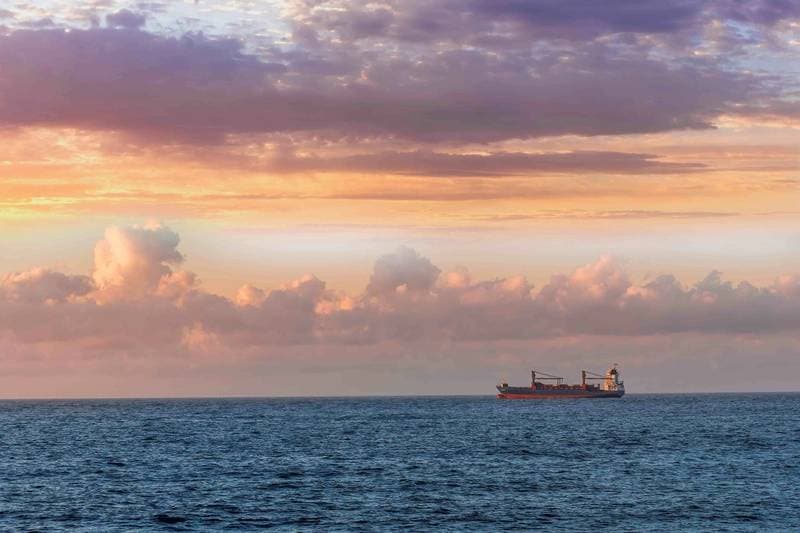
Russian President Vladimir Putin has issued a warning that Russia will implement retaliatory measures should European countries proceed with seizing Russian merchant vessels. This statement was reinforced by the commander of Russia's Pacific Fleet, who indicated that his forces are prepared to board and detain foreign ships originating from nations identified as hostile.
This development signals a potential escalation in maritime conflict, extending beyond direct military engagements to commercial shipping. Such actions could significantly disrupt global trade routes and impact the operations of freight forwarders and shippers. The threat of vessel inspection and detention by Russian forces introduces considerable risk for any commercial vessel operating in areas where Russian naval presence is strong, particularly for those flagged in or associated with European nations.
For freight forwarders, this situation necessitates heightened vigilance regarding vessel flagging, ownership, and cargo origins/destinations when routing shipments through or near Russian-influenced waters. It could lead to increased war risk premiums, longer transit times due to re-routing, and potential delays or losses if vessels are indeed detained. Shippers may face higher costs and reduced capacity as carriers become more cautious or withdraw services from certain regions. The uncertainty could also prompt a shift towards alternative transport modes or trade lanes, depending on the severity and scope of any actual detentions.
The immediate next steps will likely involve international diplomatic responses and potential advisories from maritime organizations. Forwarders should closely monitor official government and maritime security updates to assess the evolving risk landscape and adjust their operational strategies accordingly.