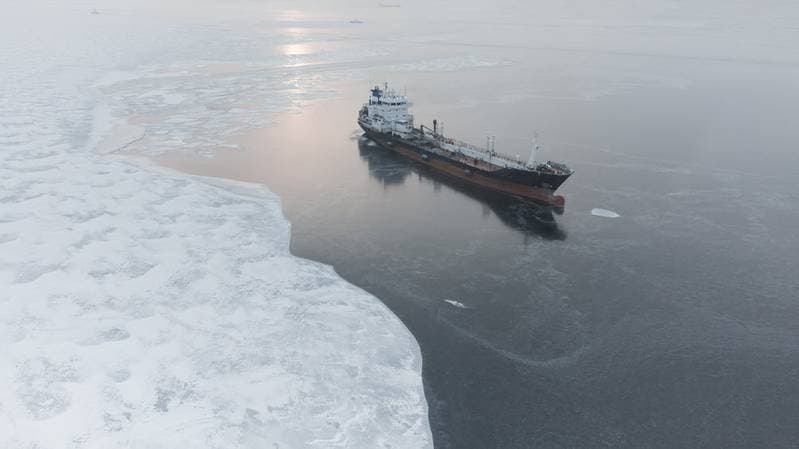
Russia has substantially ramped up its crude oil exports through the Arctic Sea Route, also known as the Northern Sea Route (NSR), in the current year. Data from trade sources and LSEG shipping analytics indicate that seven cargoes, totaling around 6 million barrels of crude, have already been dispatched to destinations in Asia. This volume represents a quicker pace compared to the same period last year, highlighting Russia's increasing reliance on Arctic shipping lanes.
This development underscores Russia's ongoing efforts to diversify its export channels and mitigate the impact of Western sanctions, particularly those affecting its energy sector. The Arctic route offers a shorter transit time to Asian markets compared to traditional routes via the Suez Canal or around Africa, though it requires specialized ice-class tankers and icebreaker support.
For freight forwarders and shippers, this trend signifies a potential increase in vessel traffic and operational complexity in the Arctic region. While primarily impacting the tanker market, it could indirectly influence broader maritime logistics by shifting vessel availability or creating new demands for specialized services. Forwarders involved in energy logistics should monitor the evolving infrastructure and operational capabilities along the NSR, as well as any potential environmental or regulatory changes that might affect future transits. The increased use of this route could also lead to new opportunities for support services in Arctic ports.