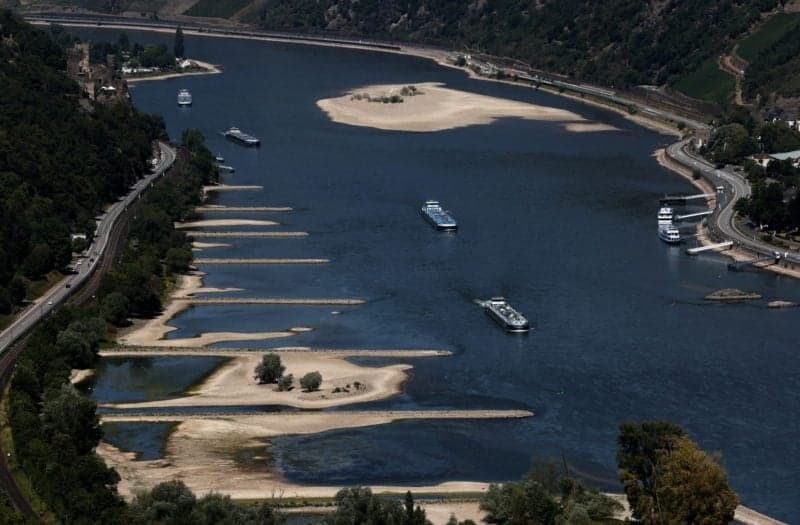
Water levels on the Rhine River in Germany have stabilized this week, according to the country's inland navigation agency. Recent rainfall has kept the river above its record low marks, which is a positive development for commercial shipping. This improvement means that vessels can now transport larger cargo loads, alleviating some of the operational challenges faced when water levels were critically low.
Historically, low water levels on the Rhine, a crucial waterway for European trade, have severely impacted cargo capacity, often forcing vessels to reduce their drafts and carry lighter loads. This leads to increased shipping costs as more trips are required to move the same volume of goods.
For freight forwarders and logistics managers, stable or rising Rhine water levels are critical. Improved navigability directly translates to better capacity utilization for barges, potentially reducing inland transport costs and improving the reliability of supply chains moving goods through Germany and beyond. It also lessens the risk of surcharges that carriers often impose during periods of low water. The forecast for continued wet weather suggests that these favorable conditions are likely to persist, offering a more predictable environment for planning inland shipments.