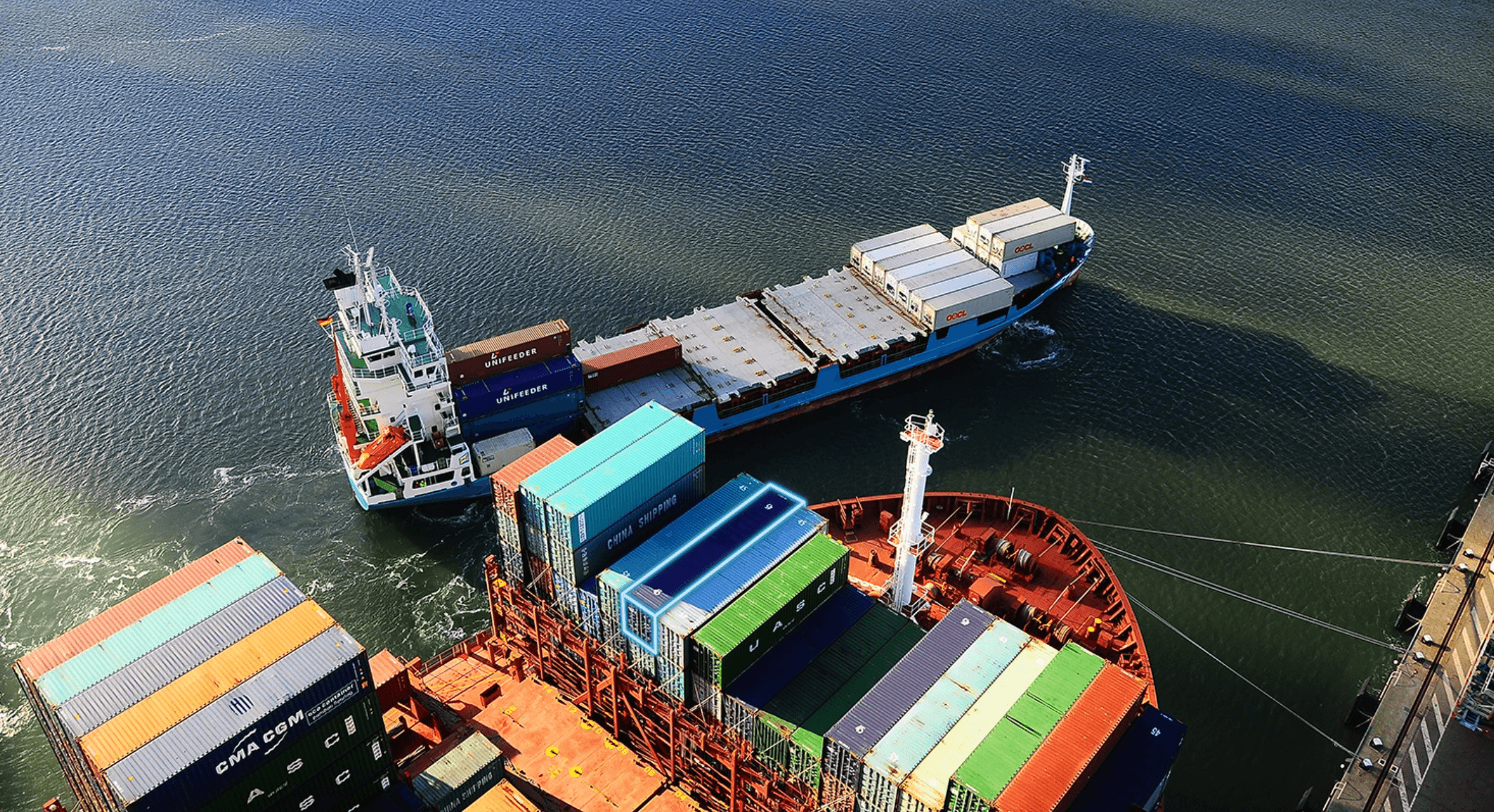
The Port of Los Angeles is preparing for a potential 5% increase in cargo volumes. This anticipated surge is primarily driven by shippers adjusting their supply chain strategies in response to persistent disruptions in the Red Sea and Panama Canal.
Ongoing geopolitical tensions and drought conditions have significantly impacted key global maritime trade arteries. The Red Sea crisis, involving Houthi attacks, has led many carriers to reroute vessels around the Cape of Good Hope, extending transit times and increasing costs. Simultaneously, low water levels in the Panama Canal have forced restrictions on vessel transits, creating delays and limiting capacity through this vital shortcut.
For freight forwarders and shippers, this development means a likely shift of cargo flows towards the U.S. West Coast, particularly the Port of Los Angeles. This could lead to increased demand for trans-Pacific services, potentially driving up ocean freight rates and creating challenges related to port congestion and inland transportation capacity. Forwarders should monitor vessel schedules closely and consider alternative routing options to mitigate potential delays and cost increases.
While the article does not specify future actions, the Port of Los Angeles will likely continue to monitor global conditions and adjust its operational readiness to accommodate any sustained increase in cargo volumes.