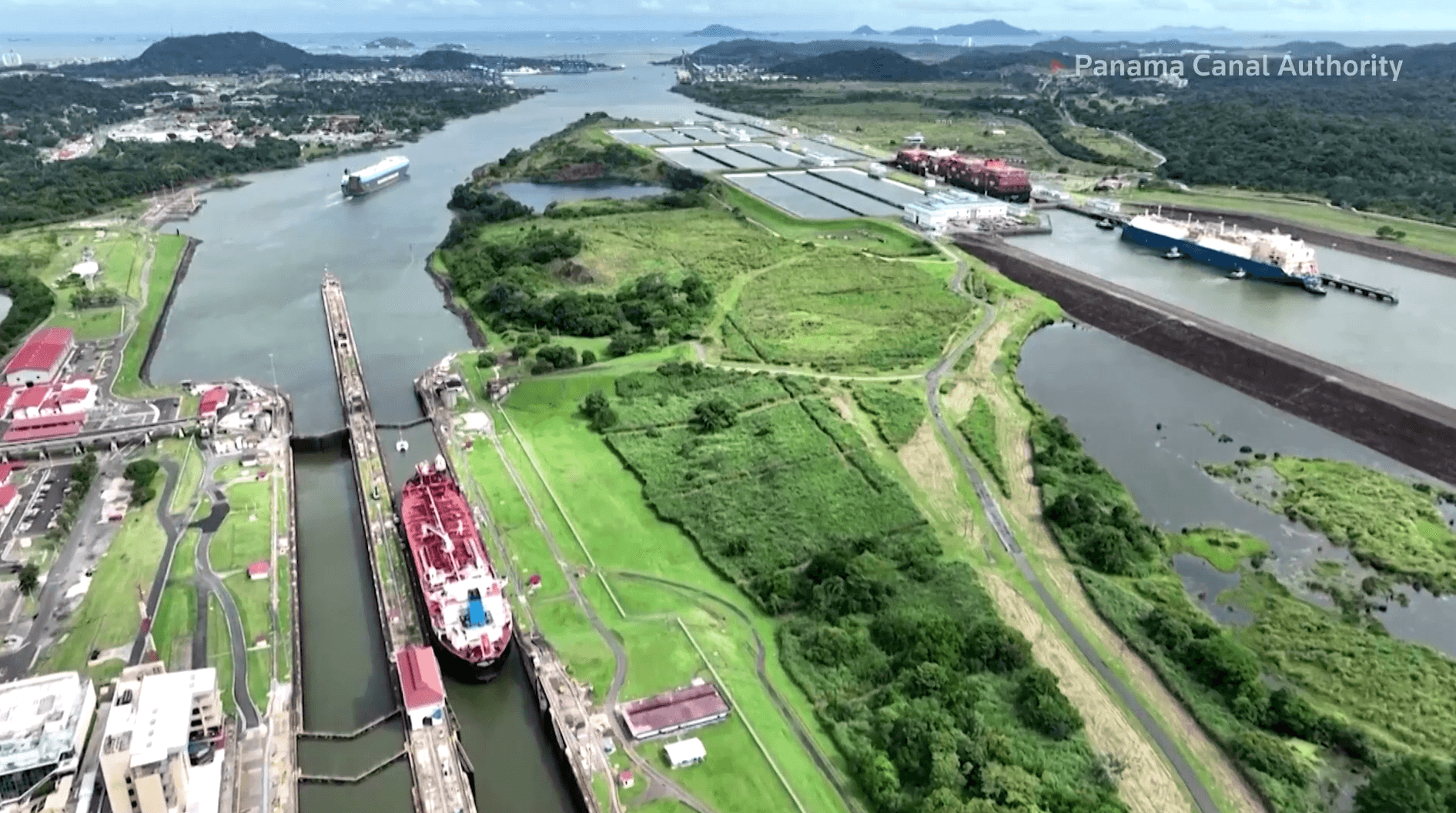
The Panama Canal Authority (ACP) has announced a reduction in the number of daily transit slots available for vessels. This decision stems from ongoing water scarcity issues, primarily driven by the El Niño weather phenomenon, which has significantly lowered water levels in Gatun Lake, a crucial component of the Canal's operation.
For freight forwarders and shippers, this development means heightened operational challenges. The decreased capacity will intensify competition for the remaining transit slots, likely driving up auction prices for premium bookings. Furthermore, the reduced reliability and potential for delays could compel some operators to consider alternative, longer routes, such as circumnavigating Africa via the Cape of Good Hope. Such diversions would significantly increase transit times and fuel costs, impacting supply chain schedules and overall freight expenses.
This situation adds another layer of complexity to global shipping, particularly for routes connecting the Atlantic and Pacific oceans. Forwarders should anticipate potential rate increases and longer lead times for shipments traditionally relying on the Panama Canal. Proactive planning and exploring alternative routing strategies will be essential to mitigate disruptions.