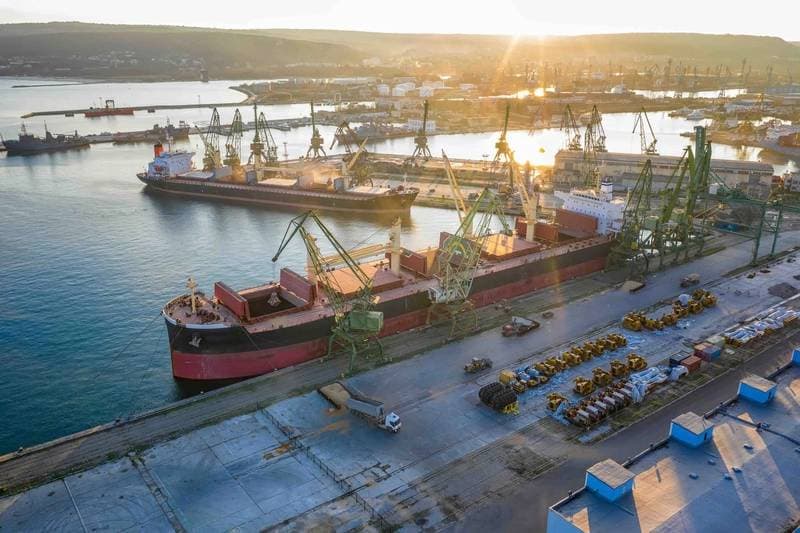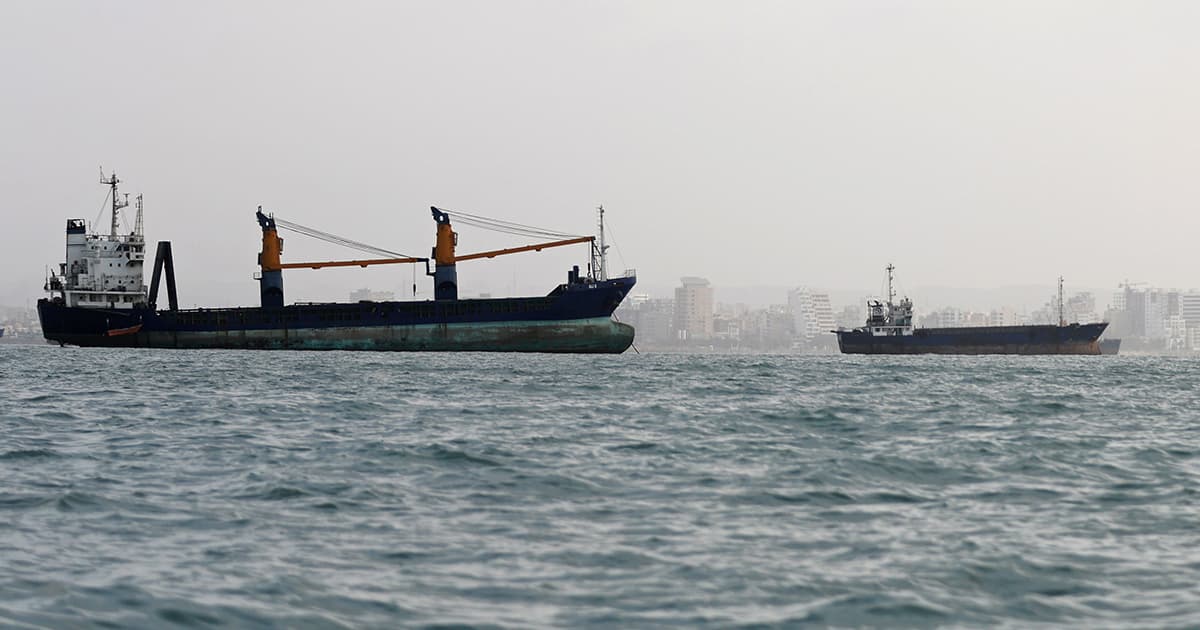
Estimates from oil traders indicate that approximately 6 to 8 million barrels of crude oil are now being transported daily through the Strait of Hormuz. This represents a notable increase in maritime traffic through this vital global chokepoint. The surge in shipments is directly linked to an expansion in oil production by various Middle Eastern countries.
For freight forwarders and logistics professionals, increased oil flows through the Strait of Hormuz generally signify stable or growing demand for tanker capacity in the region. While this article does not directly address container or dry bulk shipping, the overall stability and volume of trade in the Middle East, as indicated by oil exports, can indirectly influence port activity and vessel availability. Forwarders should monitor geopolitical developments in the region, as any disruption to this critical waterway could lead to significant delays and increased costs for all types of maritime transport.