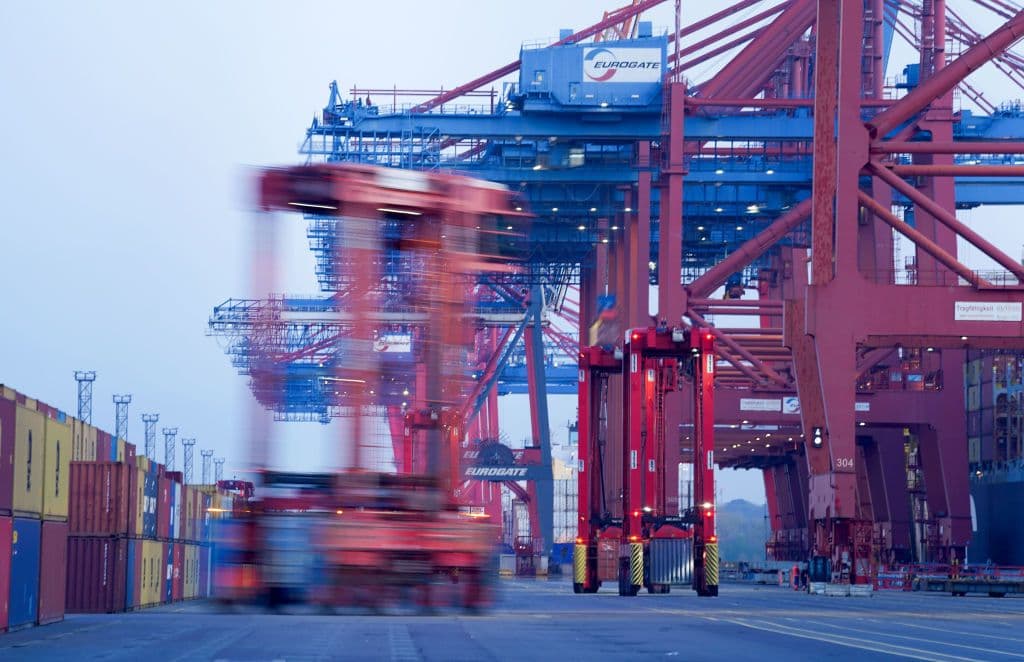
Ocean carriers are actively pursuing investments in marine terminals, a strategy designed to gain greater control over port operations and guarantee sufficient capacity. This trend has been particularly evident this summer, with several significant port infrastructure deals and partnerships emerging. By owning or co-owning terminals, carriers can better manage vessel turnaround times, optimize cargo flow, and reduce reliance on third-party terminal operators.
For freight forwarders and operations managers, this development could lead to more predictable port calls and potentially improved schedule reliability on specific trade lanes where carriers have direct terminal control. However, it might also reduce flexibility if carriers prioritize their own cargo or alliance partners, potentially impacting access for smaller lines or independent shippers. It could also influence port choices and intermodal connections, as carriers might favor terminals where they have a vested interest.
This strategic shift reflects a broader industry move towards vertical integration, where carriers seek to manage more aspects of the supply chain, from ocean transport to port handling. The long-term implications include a potential reshaping of port competition and a more consolidated terminal landscape.