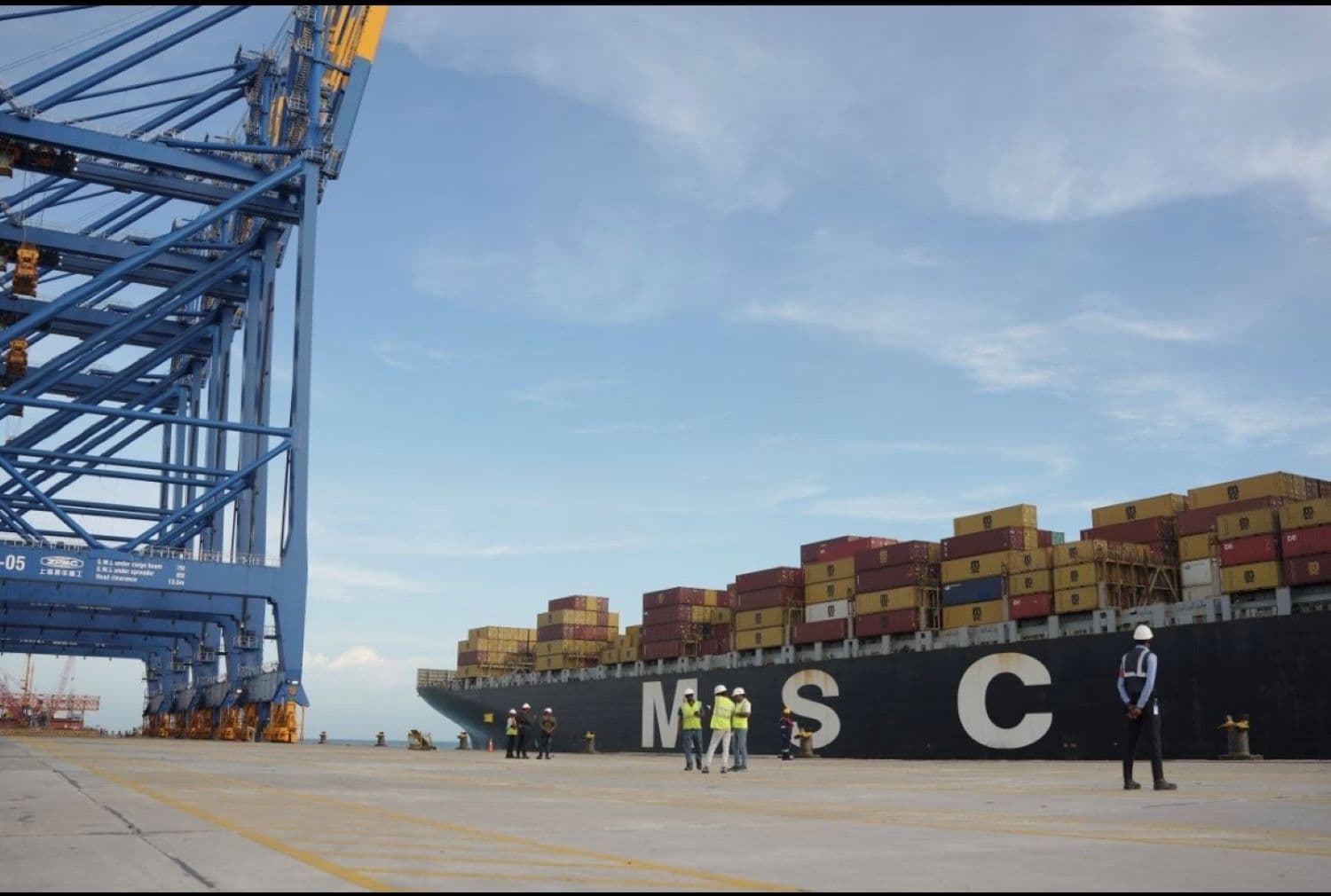
MSC has announced that vessels on its India-Europe "Himalaya Express" service will revert to the traditional Suez Canal route, beginning with a late-August voyage. This change will subsequently be extended to the carrier's five other Asia-Europe strings. The move signals a shift back to the shorter, more direct passage through the Suez Canal, bypassing the longer route around the Cape of Good Hope.
This decision by MSC follows similar actions by several other major shipping lines, which have also begun reinstating Suez Canal transits for their services. The collective return of carriers to this route suggests a perceived decrease in the immediate security threats in the Red Sea region, which had previously prompted diversions.
For freight forwarders and shippers, this development is significant. The resumption of Suez Canal transits will lead to shorter transit times for cargo moving between India and Europe, improving schedule reliability and potentially reducing lead times. Furthermore, the shorter route typically results in lower bunker fuel consumption compared to the Cape route, which could translate into reduced operational costs for carriers and potentially lower freight rates or surcharges for shippers. Forwarders should monitor carrier announcements for specific service updates and any adjustments to transit times or surcharges on these lanes.