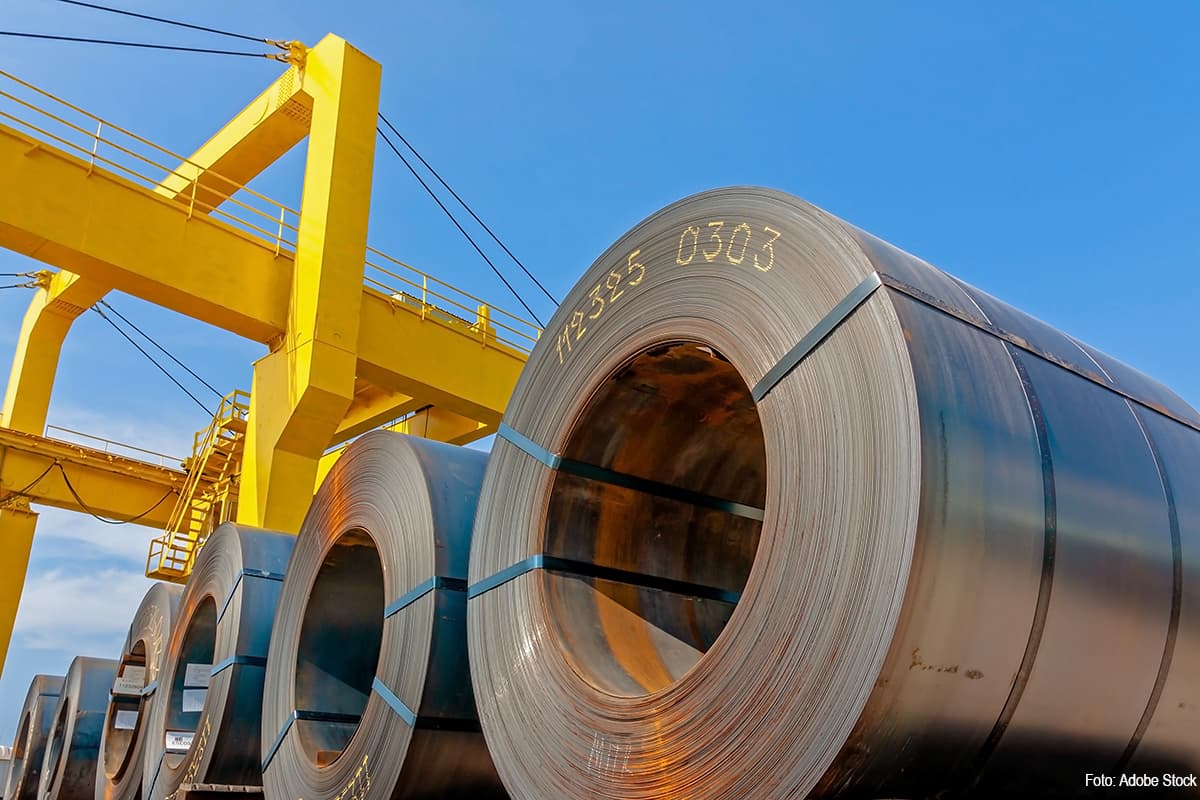
Tata Steel Netherlands has ceased transporting steel coils via the Danube River to Central and Eastern Europe. This decision stems from critically low water levels caused by prolonged drought conditions across Europe, rendering parts of the river impassable for commercial barges.
Historically, inland waterways like the Danube provide a cost-effective and environmentally friendly mode for bulk cargo transport. However, recurring droughts in recent years have increasingly challenged the reliability of these routes, forcing companies to seek alternative logistics solutions.
For freight forwarders and shippers, this situation means potential increases in transport costs and longer lead times. Shifting from barge to rail, while a viable alternative, often entails higher operational expenses and may require adjustments to existing logistics networks and schedules. Forwarders must account for such modal shifts when planning routes and quoting rates for clients with destinations in Central and Eastern Europe, particularly for heavy industrial goods like steel. It also underscores the importance of diversifying transport options and building resilience against climate-related disruptions.
Should the drought persist, further disruptions to Danube River shipping are anticipated, potentially affecting other industries reliant on this crucial waterway.