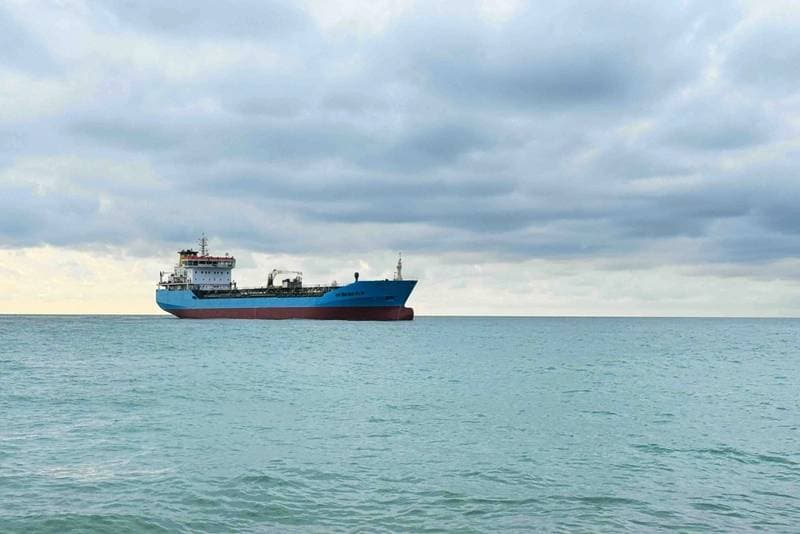
The liquefied natural gas (LNG) shipping sector observed a softening in market conditions over the past week. This decline was primarily driven by a reduction in the number of cargo inquiries from charterers, coupled with an increase in the availability of vessels, leading to downward pressure on freight rates across various routes.
Specifically, the BLNG1 route, connecting Australia to Japan, experienced a weekly rate decrease of $800, settling at $73,500 per day. In contrast, the Pacific market maintained relative stability, attributed to the limited availability of 2-stroke vessels. However, the BLNG2 route, covering shipments from the US Gulf to the European Continent, saw a more substantial drop in rates, falling by $20,600.
For freight forwarders and operations managers, this trend indicates a potential for more favorable charter rates for LNG shipments, especially on the US Gulf-Continent route. Increased vessel availability could lead to greater flexibility in scheduling and potentially lower transportation costs for clients involved in LNG trade. Monitoring these rate fluctuations will be crucial for optimizing logistics strategies and securing competitive pricing.