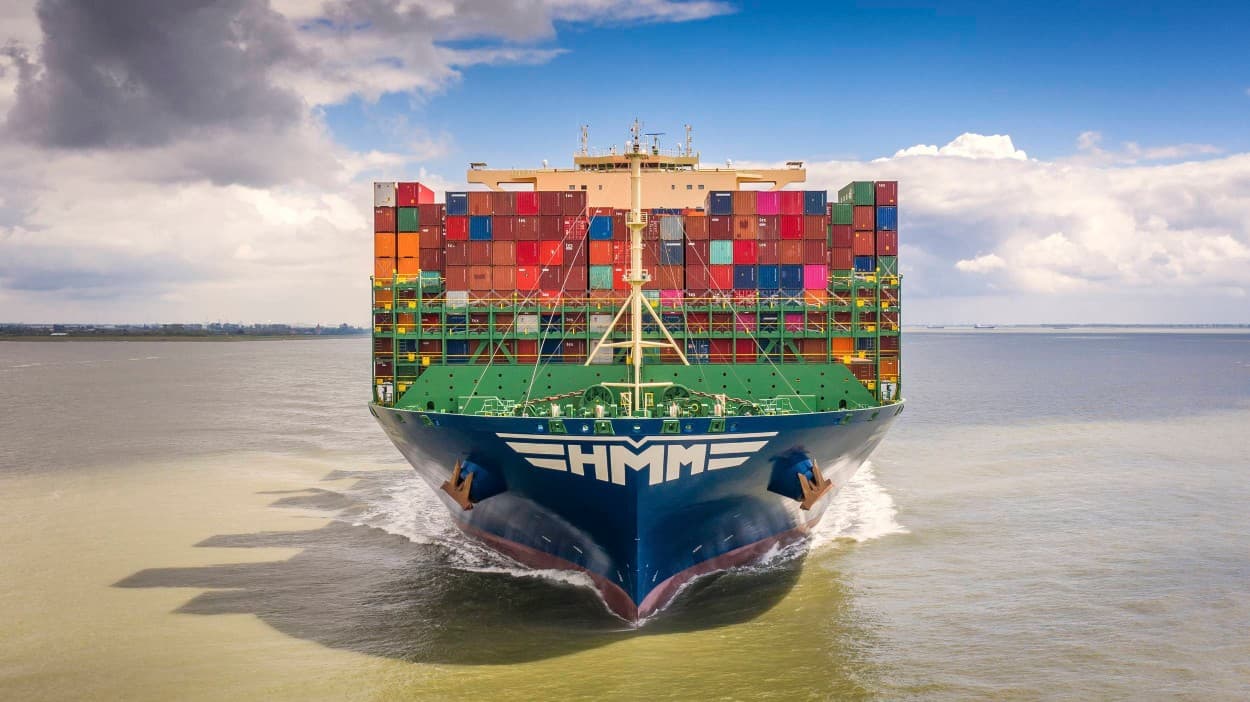
South Korean shipping line HMM has announced a major strategic shift, moving away from its previous emphasis on ultra-large container vessels. The carrier plans to nearly double its investment to KRW 29 trillion (approximately USD 21 billion) by 2030, while simultaneously reducing its overall capacity target for the same year. This new direction will see HMM acquire 36 additional vessels, focusing on smaller and more agile ships rather than continuing to expand its mega-vessel fleet.
This change represents a significant re-evaluation of HMM's long-term fleet development, which had previously centered on achieving economies of scale through larger ships. The new strategy prioritizes operational flexibility and the ability to adapt to diverse market demands and port limitations.
For freight forwarders and ops managers, this shift could mean increased service frequency on certain routes and potentially greater flexibility in port calls, as smaller vessels can access a wider range of terminals. While overall capacity growth may be moderated, the focus on agility could lead to more reliable scheduling and better responsiveness to supply chain disruptions. However, the impact on freight rates remains to be seen, as the strategy aims for efficiency rather than pure volume dominance.
This strategic pivot is expected to be implemented over the coming years, with the new vessels gradually integrated into HMM's network by 2030.