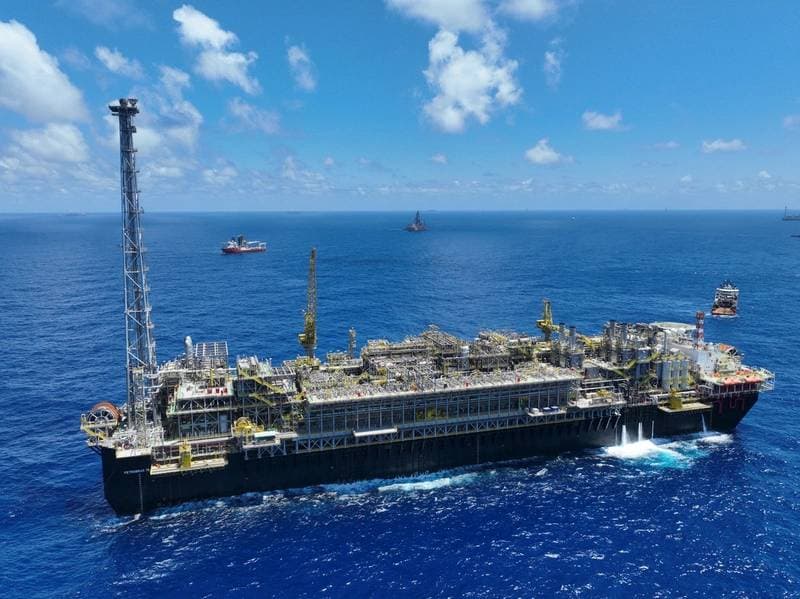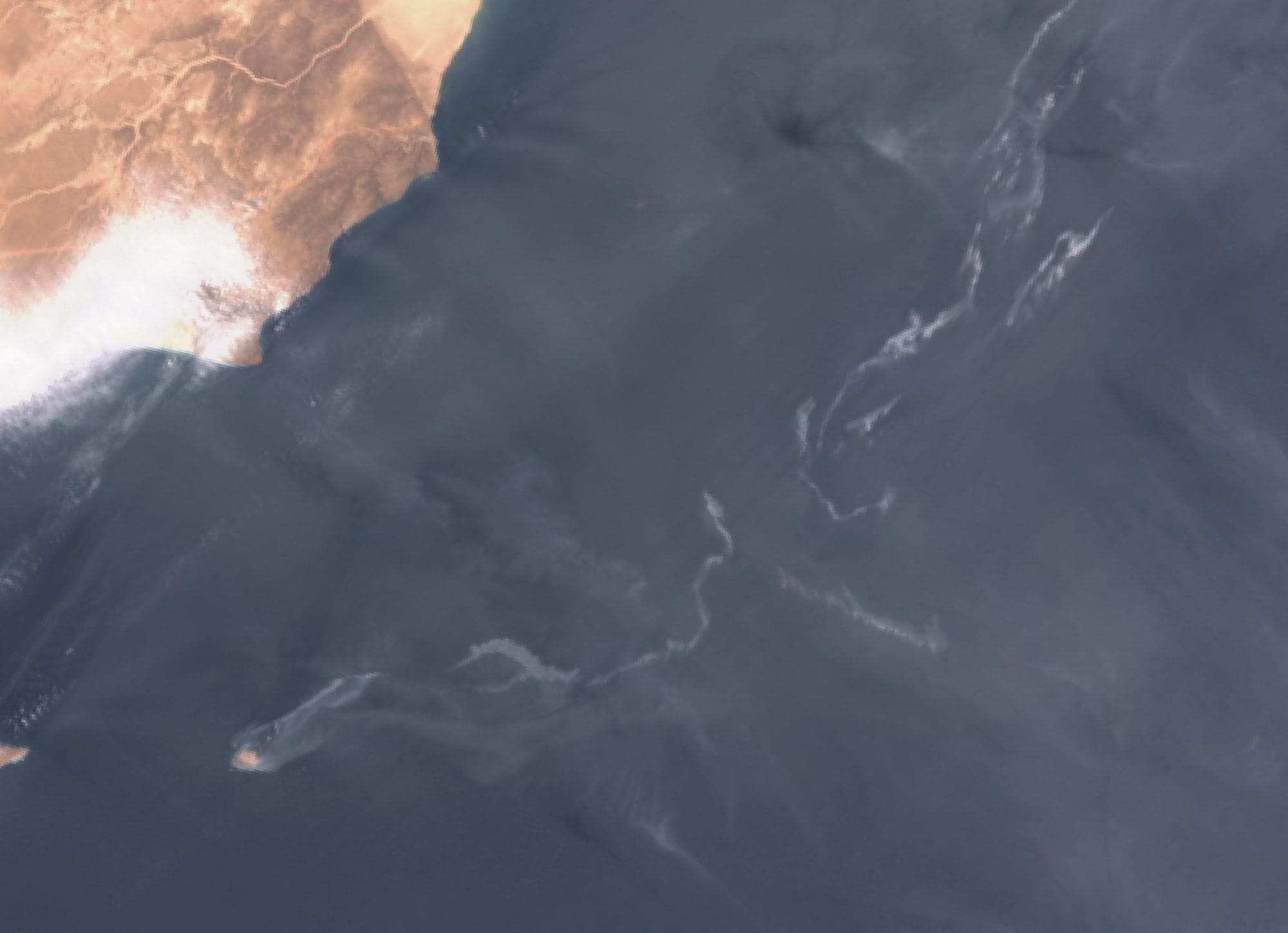
A substantial oil spill has occurred in the Gulf due to a grounded 'shadow fleet' tanker, with international agencies, satellite observations, and environmental organizations reporting that the contamination has been spreading largely uncontained for several weeks. This incident is rapidly escalating into one of the most serious environmental disasters of its kind in recent years. The 'shadow fleet' refers to older vessels, often operating without standard insurance or regulatory oversight, which are frequently used for transporting sanctioned oil.
For freight forwarders and operations managers, this event underscores the inherent risks associated with unregulated shipping practices. While direct impacts on container or general cargo rates are unlikely, the incident highlights potential disruptions to oil supply chains and the broader environmental and reputational risks. Increased scrutiny on vessel safety and insurance compliance for all types of cargo could follow, potentially leading to stricter port controls or higher insurance premiums for certain vessel categories. This could also influence routing decisions, as authorities might become more vigilant about vessel conditions in sensitive marine areas.
The ongoing spread of the spill suggests a prolonged environmental cleanup effort will be required. The lack of immediate containment raises questions about accountability and the effectiveness of current international maritime regulations concerning these 'shadow fleet' vessels.