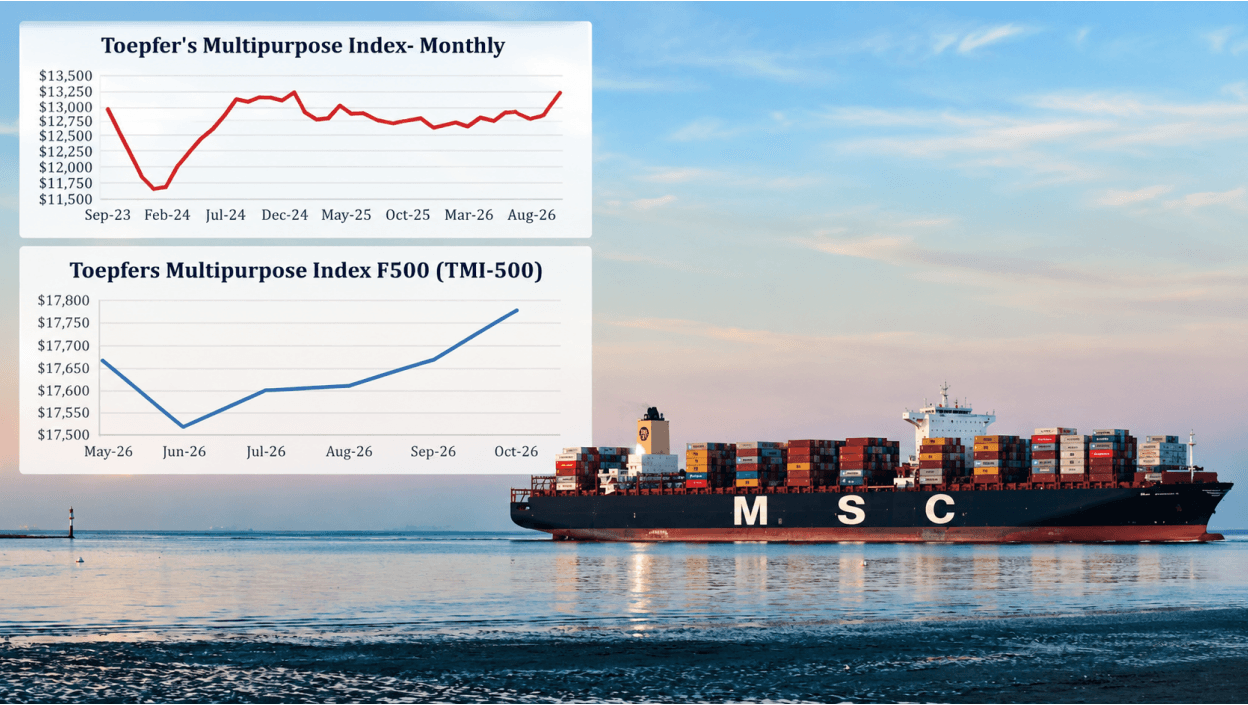
The global shipping industry in mid-2026 is characterized by a significant imbalance between decreasing demand and stubbornly high freight rates. A surge in demand, previously observed, is now rapidly receding, with forecasts indicating a 4.2% year-over-year drop in US container volumes for August. Despite this decline in demand, ocean freight rates have not followed suit, remaining at elevated levels.
This unusual market dynamic is primarily driven by persistent supply-side fragmentation. Geopolitical tensions, inherent geographical limitations, and critical chokepoints like major canals continue to disrupt vessel schedules and routing. These factors collectively constrain available capacity and increase operational costs, thereby preventing a downward adjustment of freight rates in response to lower cargo volumes.
For freight forwarders and operations managers, this situation implies continued volatility and unpredictability in pricing. Even with reduced cargo bookings, the cost of securing space on vessels is likely to remain high. Forwarders should anticipate potential routing changes and extended transit times due to chokepoint issues, necessitating flexible planning and robust contingency strategies. Shippers may experience higher transportation costs than expected given the softening demand, making effective rate negotiation and contract management crucial.