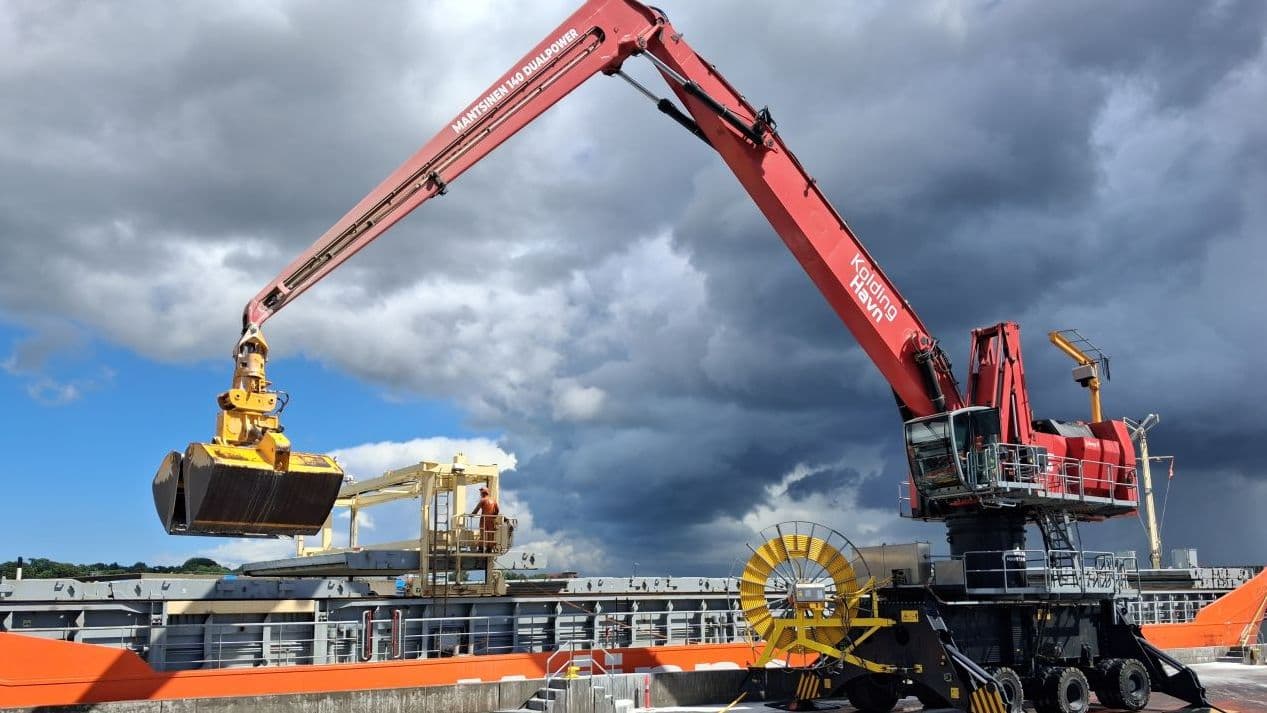
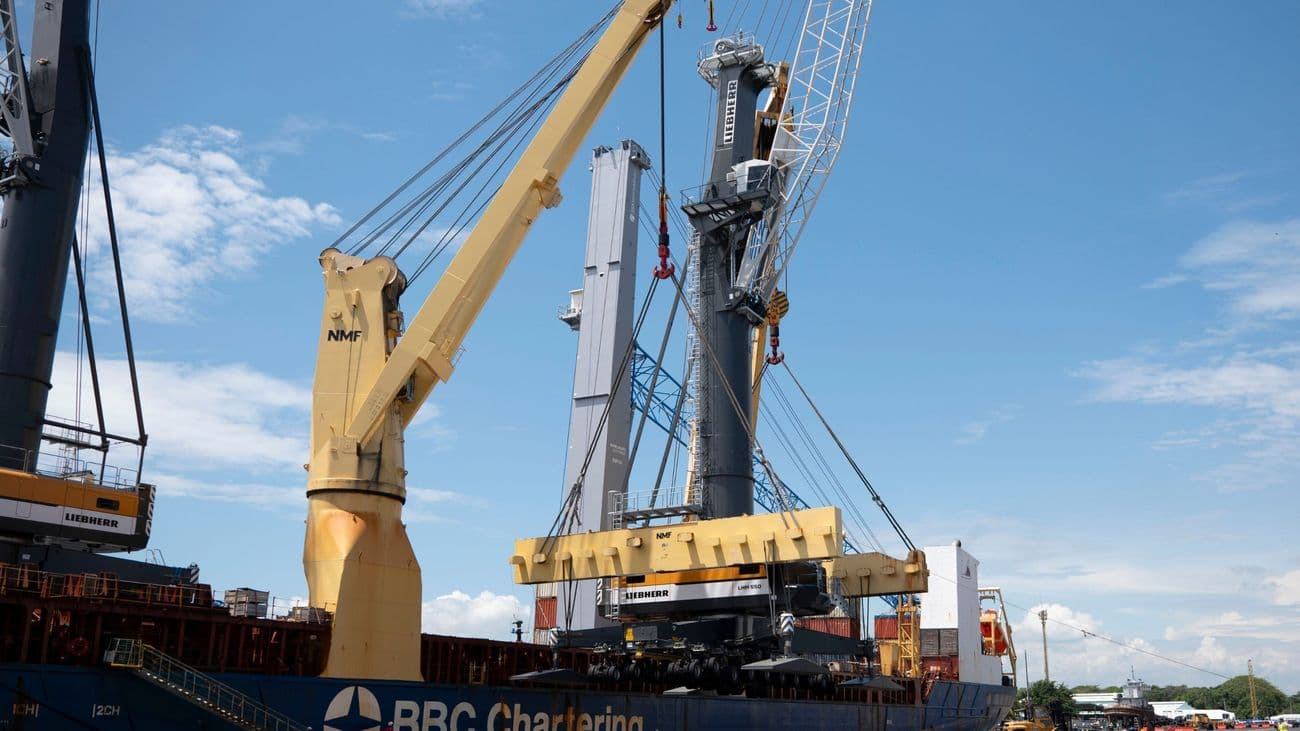
Global port congestion is currently worsening, causing significant disruptions across international trade lanes. Maersk has highlighted a persistent issue of underinvestment in port infrastructure over the past 15 years as a primary cause. This lack of development has contributed to the current bottlenecks, which are now impacting the efficiency of container shipping.
Drewry's latest "market signals" risk summary corroborates this trend, showing a clear deterioration in key performance indicators. Specifically, global average waiting times for vessels at ports are increasing, indicating a growing strain on port operations and capacity.
For freight forwarders and operations managers, this escalating congestion translates directly into longer transit times and increased uncertainty in vessel schedules. Shippers should anticipate potential delays in cargo delivery and may face higher demurrage and detention charges. The reduced schedule reliability could also lead to adjustments in carrier service offerings and potentially impact freight rates as capacity becomes less efficient due to vessels being tied up in queues. Forwarders should proactively communicate potential delays to clients and explore alternative routing or earlier booking strategies where feasible.