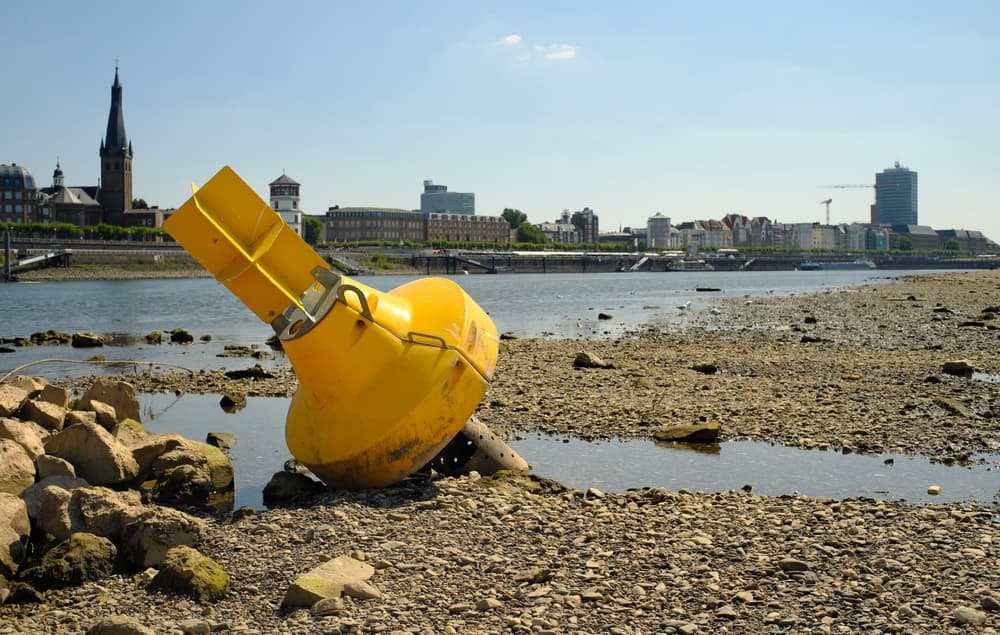
German transport authorities have unveiled a series of measures designed to ensure the continuous flow of freight, as the Rhine River experiences unprecedentedly low water levels. This situation is significantly impeding inland shipping, a crucial mode for transporting goods across Germany and into neighboring countries.
The core of the plan involves a substantial shift of cargo from barges to the rail network. This aims to alleviate pressure on the Rhine, which is vital for industries relying on bulk and container transport via waterways. The government's proactive approach seeks to prevent widespread supply chain bottlenecks and economic repercussions.
For freight forwarders and logistics managers, this development signals a critical need to adapt routing strategies. Expect increased demand and potentially improved capacity on German rail lines, especially for cargo traditionally moved by barge. This could lead to adjustments in lead times and multimodal planning, with a greater emphasis on rail-road or rail-sea combinations. Shippers should review their contingency plans for inland transport and engage with their logistics partners to explore alternative rail-based solutions.
The implementation of this emergency plan is expected to continue as long as the Rhine's water levels remain critically low, with authorities monitoring the situation closely to adjust measures as needed.