A new sector report from ABN AMRO indicates that Dutch companies need to enhance their preparedness for more extreme weather events. The report specifically points to heatwaves, droughts, and heavy rainfall as factors contributing to reduced labor productivity, increased operational costs, and potential revenue shortfalls across various sectors.
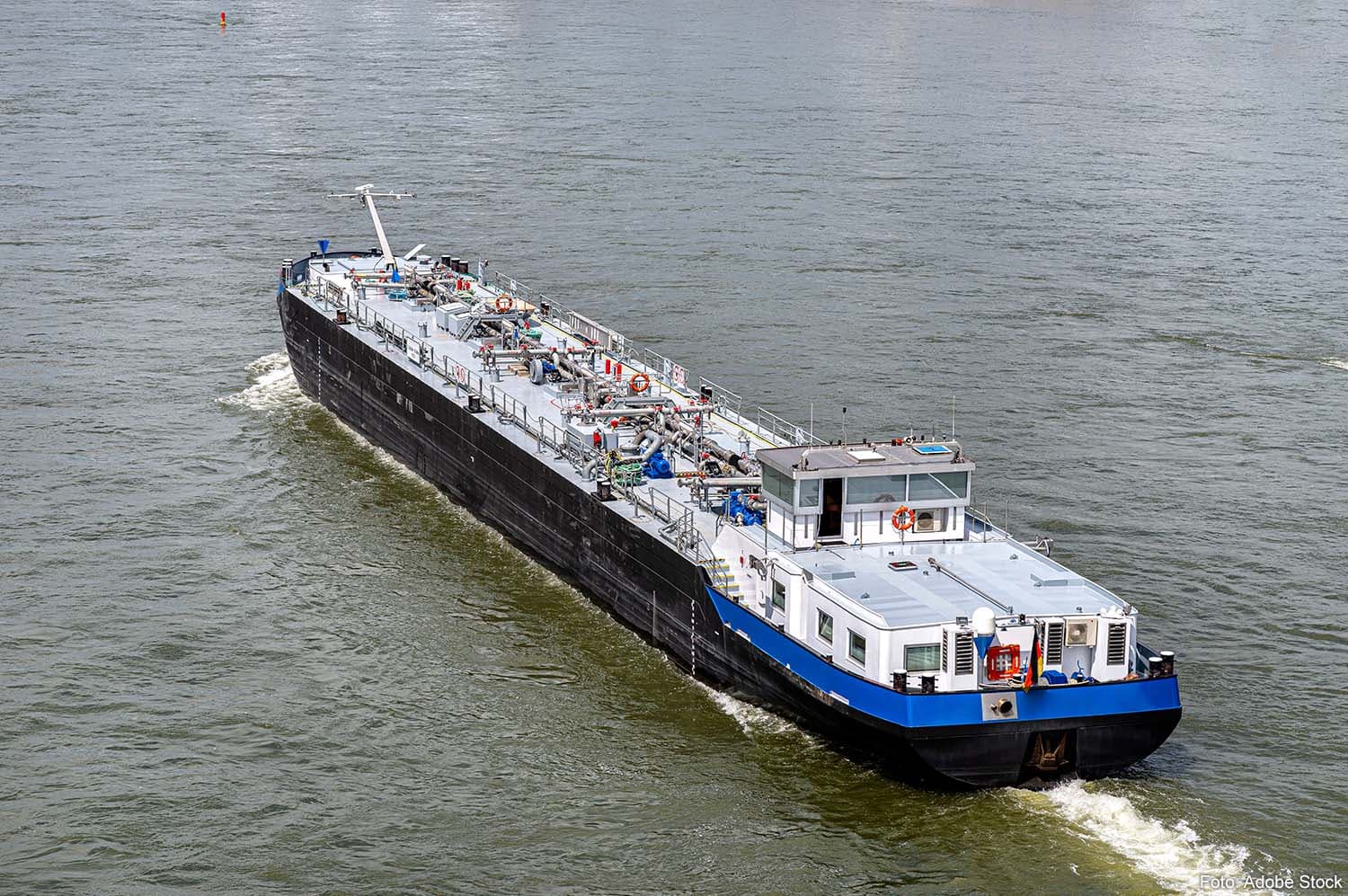
The transport and logistics industries are particularly vulnerable to these climatic shifts. Inland shipping, in particular, faces significant challenges due to prolonged periods of low water, which directly impacts vessel capacity and operational efficiency on major waterways.
For freight forwarders and operations managers, this means anticipating potential disruptions to inland waterway routes, especially during dry seasons. Low water levels necessitate reduced cargo loads per vessel, leading to more trips or a shift to alternative, often more expensive, transport modes like road or rail. This will likely result in higher freight rates for inland shipping and increased overall logistics costs for cargo moving through European river systems. Forwarders should consider diversifying their transport strategies and building greater flexibility into their supply chains to mitigate these weather-related risks.