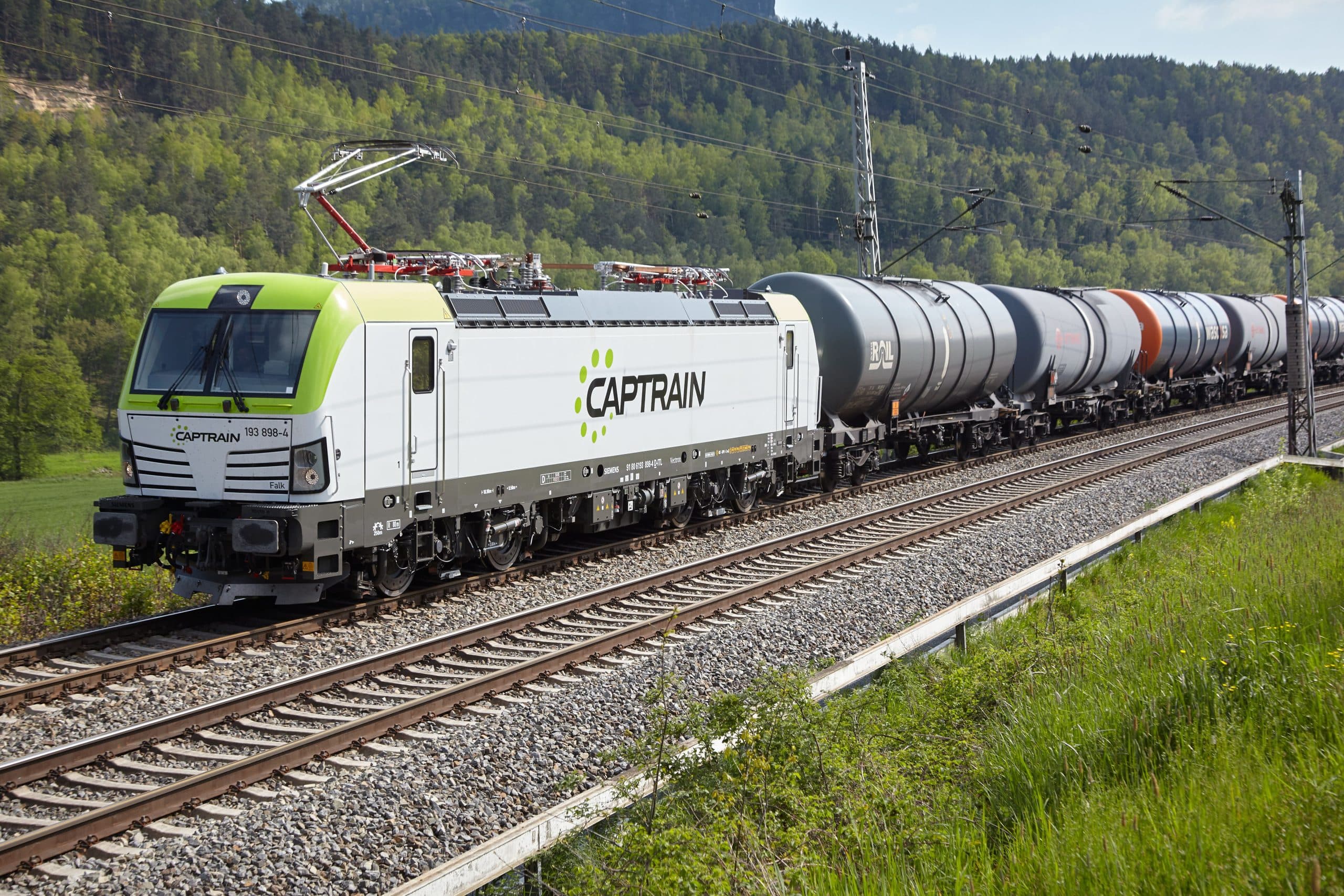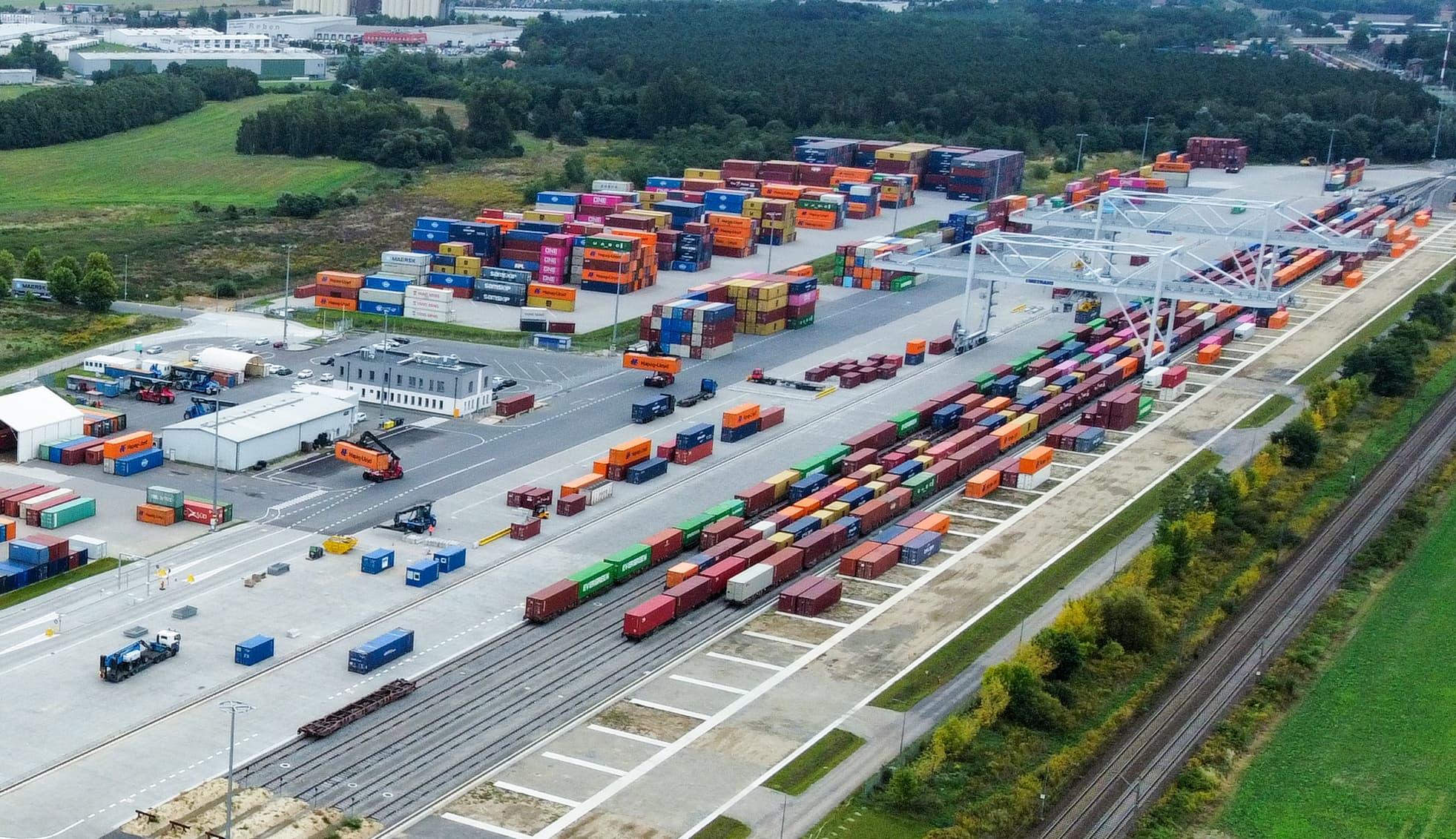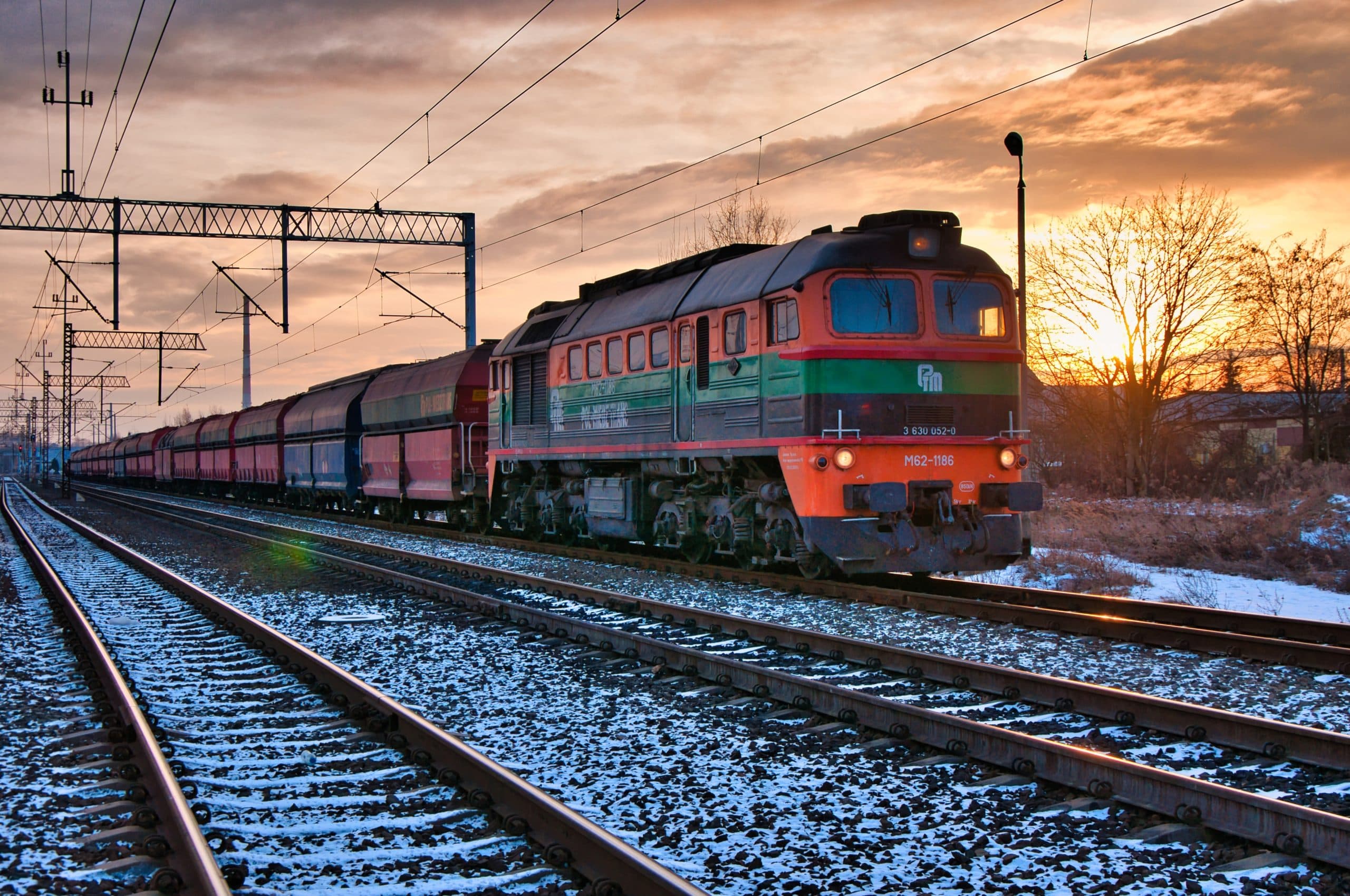
Eurostat's latest figures for the first quarter of 2026 reveal that European rail freight is experiencing a sustained downturn in activity. The total volume of goods transported by rail across Europe saw a reduction of 2.97%, while the number of tonne-kilometres also decreased. This data points to a challenging period for the rail freight industry within the continent.
For freight forwarders and operations managers, this consistent decline in rail volumes could signal several implications. It might indicate available capacity on rail networks, potentially leading to competitive pricing for certain routes. However, it also suggests that rail may be losing market share to other transport modes, or that overall industrial output requiring freight movement is contracting. Forwarders should monitor specific trade lanes and assess whether this trend is uniform or concentrated in particular regions or cargo types, adjusting their routing and mode selection strategies accordingly.