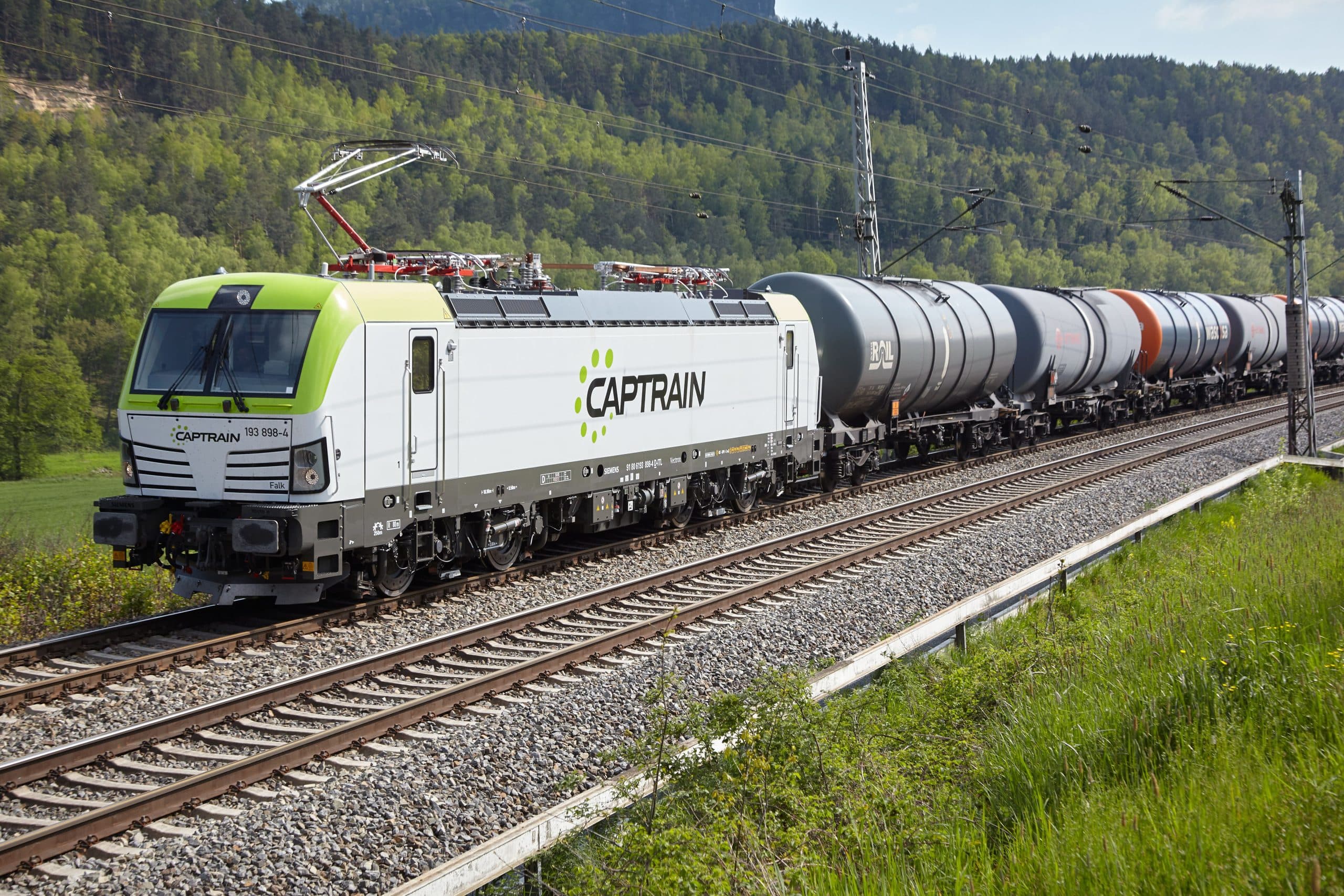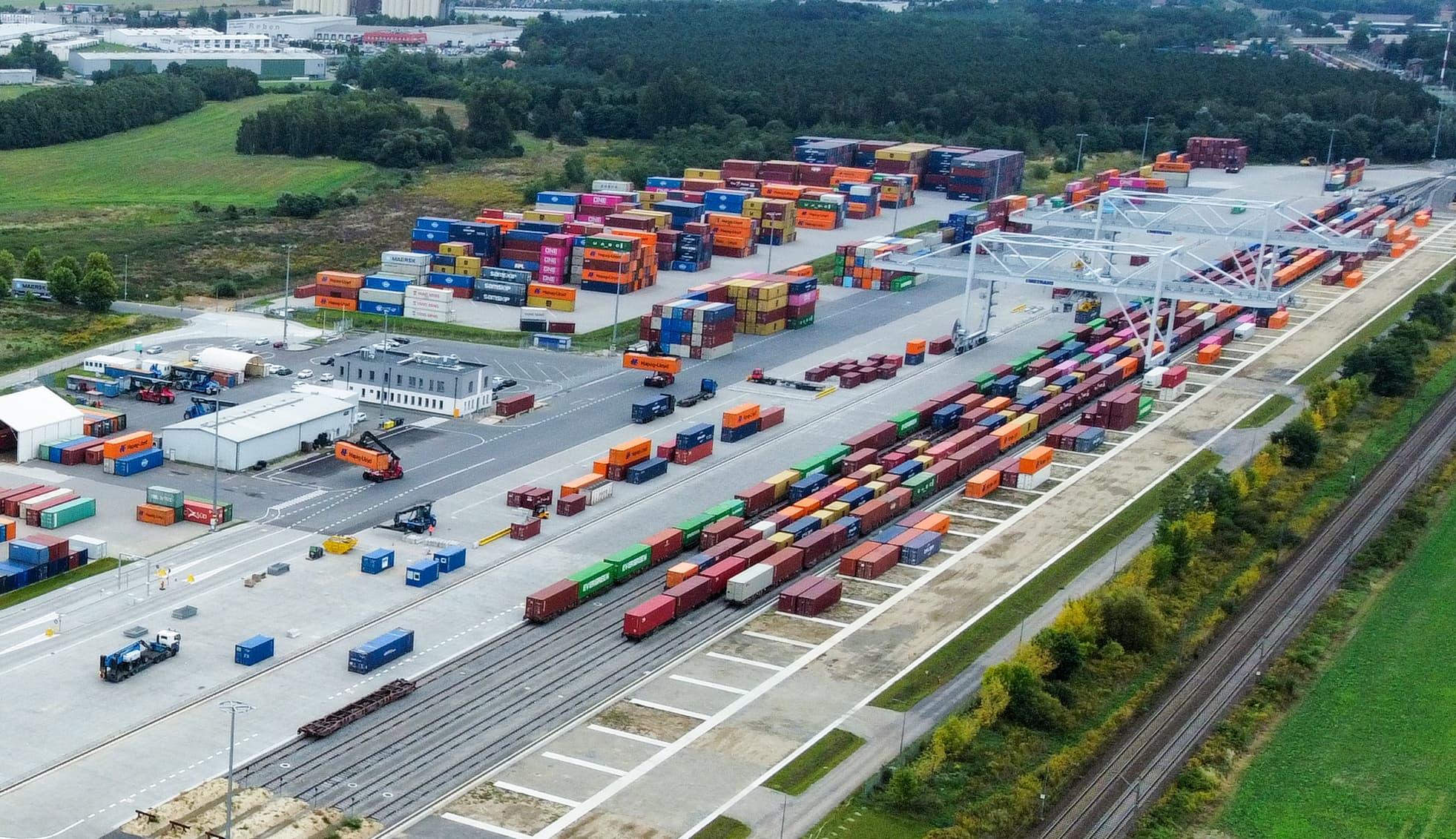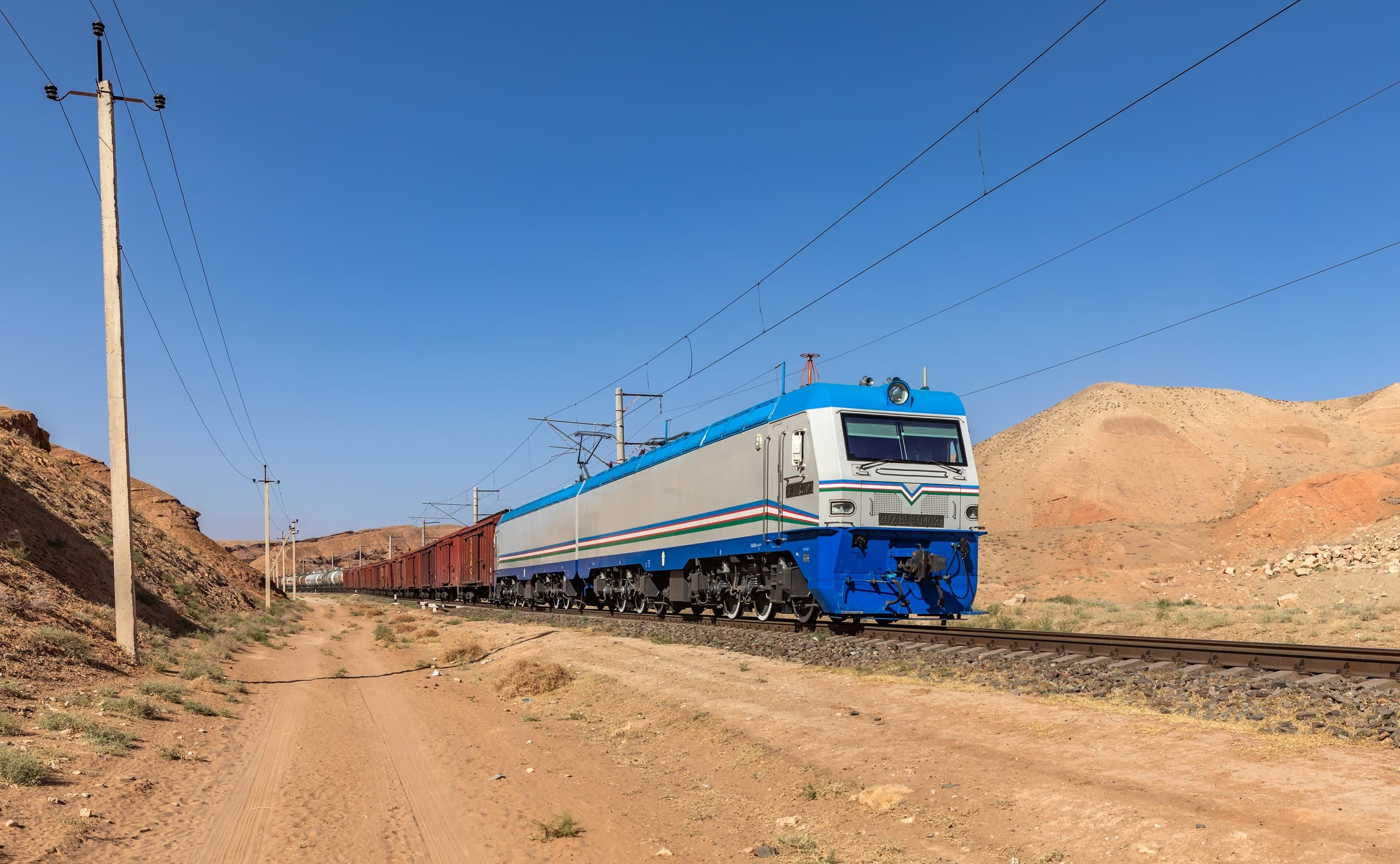
Current investments in Eurasian rail connections amount to approximately $150 billion, contributing to a broader $345 billion portfolio of projects scheduled across 13 countries. These initiatives, supported by governments, international organizations, and the private sector, are designed to significantly enhance the logistics capabilities between Asia and Europe.
For freight forwarders and operations managers, this substantial investment signals a future with potentially more reliable, faster, and higher-capacity rail options for transcontinental shipments. Improved infrastructure could lead to reduced transit times and increased schedule reliability, offering a viable alternative or complement to sea and air freight, especially for time-sensitive cargo or when ocean routes face disruptions. Forwarders should monitor the progress of these projects to identify new routing opportunities and assess potential impacts on lead times and costs for their clients.