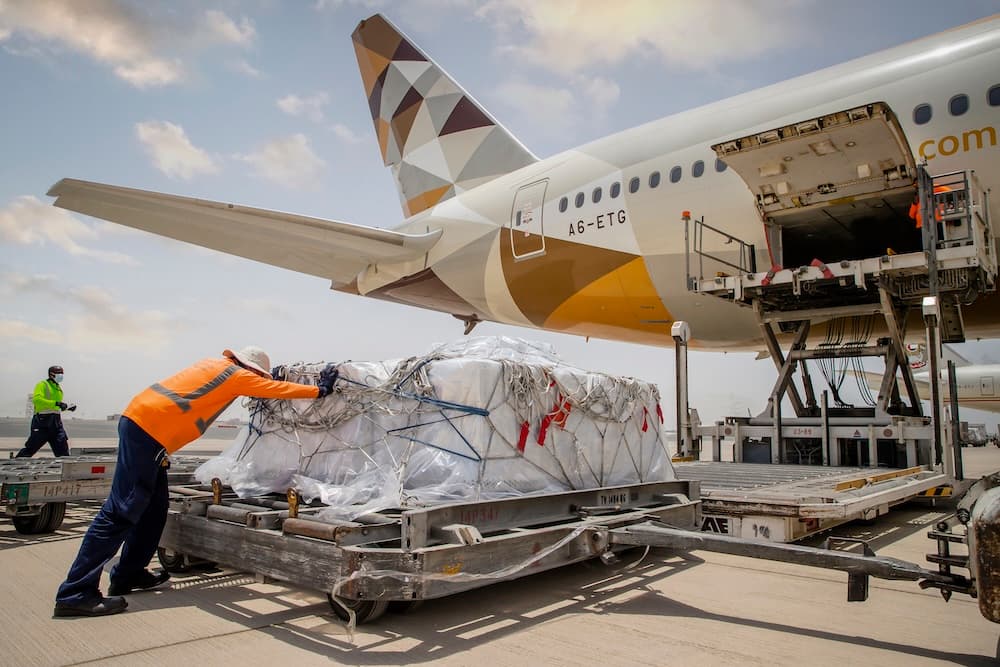
Etihad Cargo is strategically combining its dedicated freighter services with the belly hold capacity of its passenger aircraft fleet. This integrated approach is designed to provide greater flexibility within its network, allowing the airline to efficiently manage cargo flows across its global routes. By leveraging passenger aircraft belly space, Etihad aims to improve the economic viability of its routes and extend its cargo service reach to more destinations.
This operational model serves multiple purposes: it maximizes the utilization of its entire fleet, generates supplementary revenue streams, and offers a natural buffer against fluctuating operating expenses. The ability to flexibly allocate capacity enables Etihad Cargo to quickly respond to shifts in market demand and prevailing economic conditions.
For freight forwarders and operations managers, this focus on network flexibility from Etihad Cargo could translate into more consistent capacity offerings on key trade lanes, potentially leading to improved schedule reliability. The integration of belly cargo with freighter services might also offer more diverse routing options and potentially more competitive rates, especially for general cargo that can utilize passenger aircraft. However, forwarders should monitor how this flexibility impacts lead times and specific cargo types, as belly capacity often has different limitations compared to dedicated freighters.