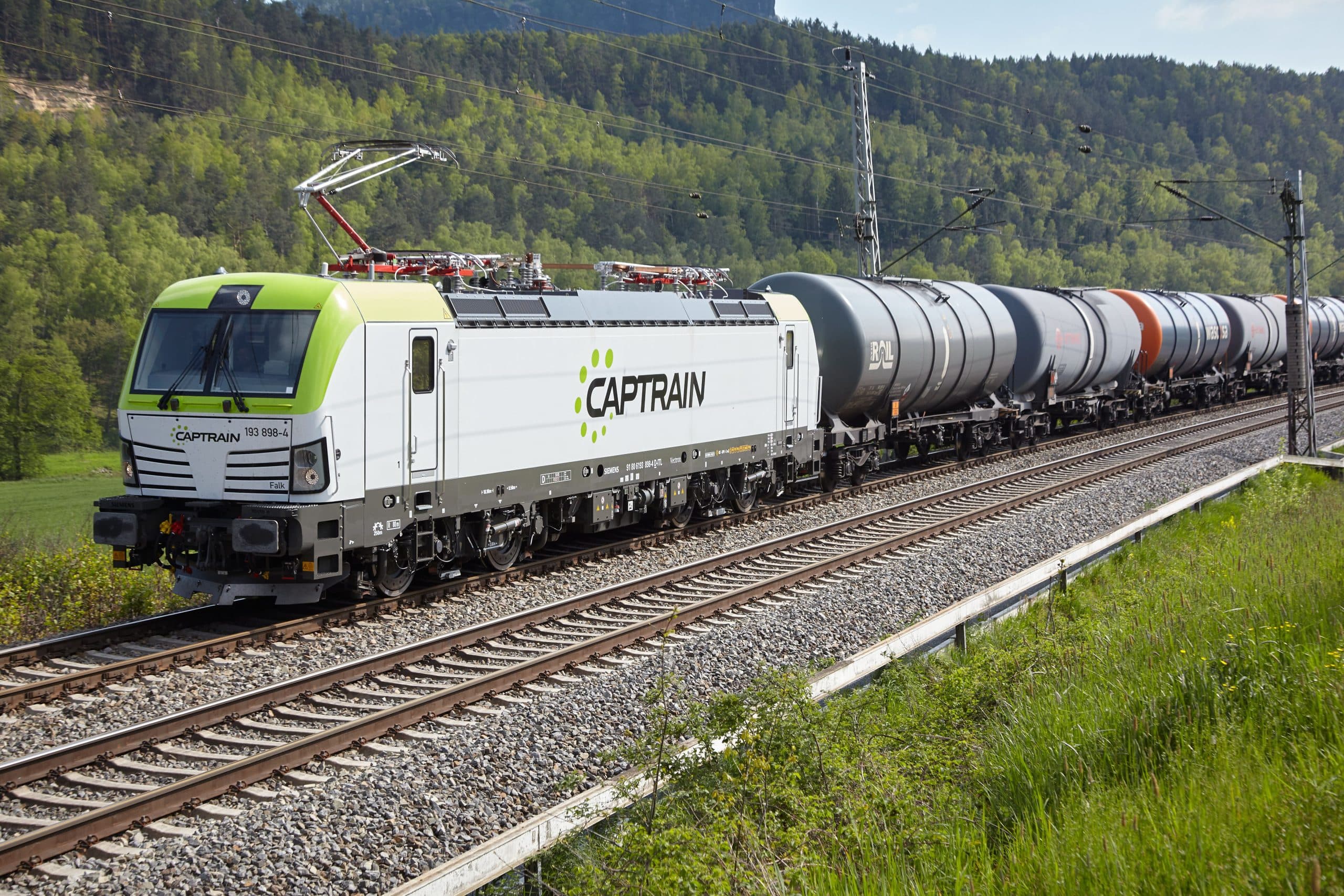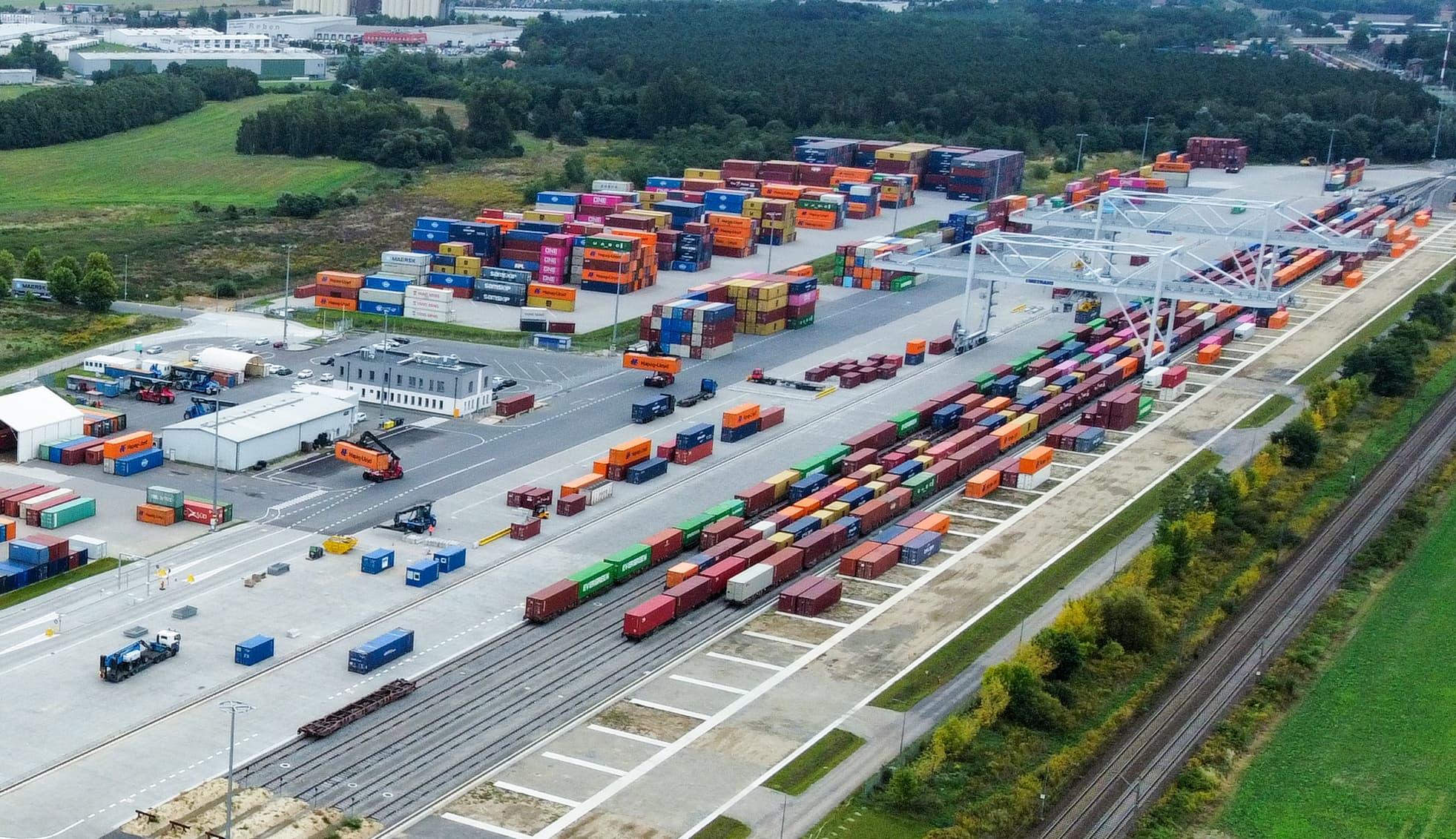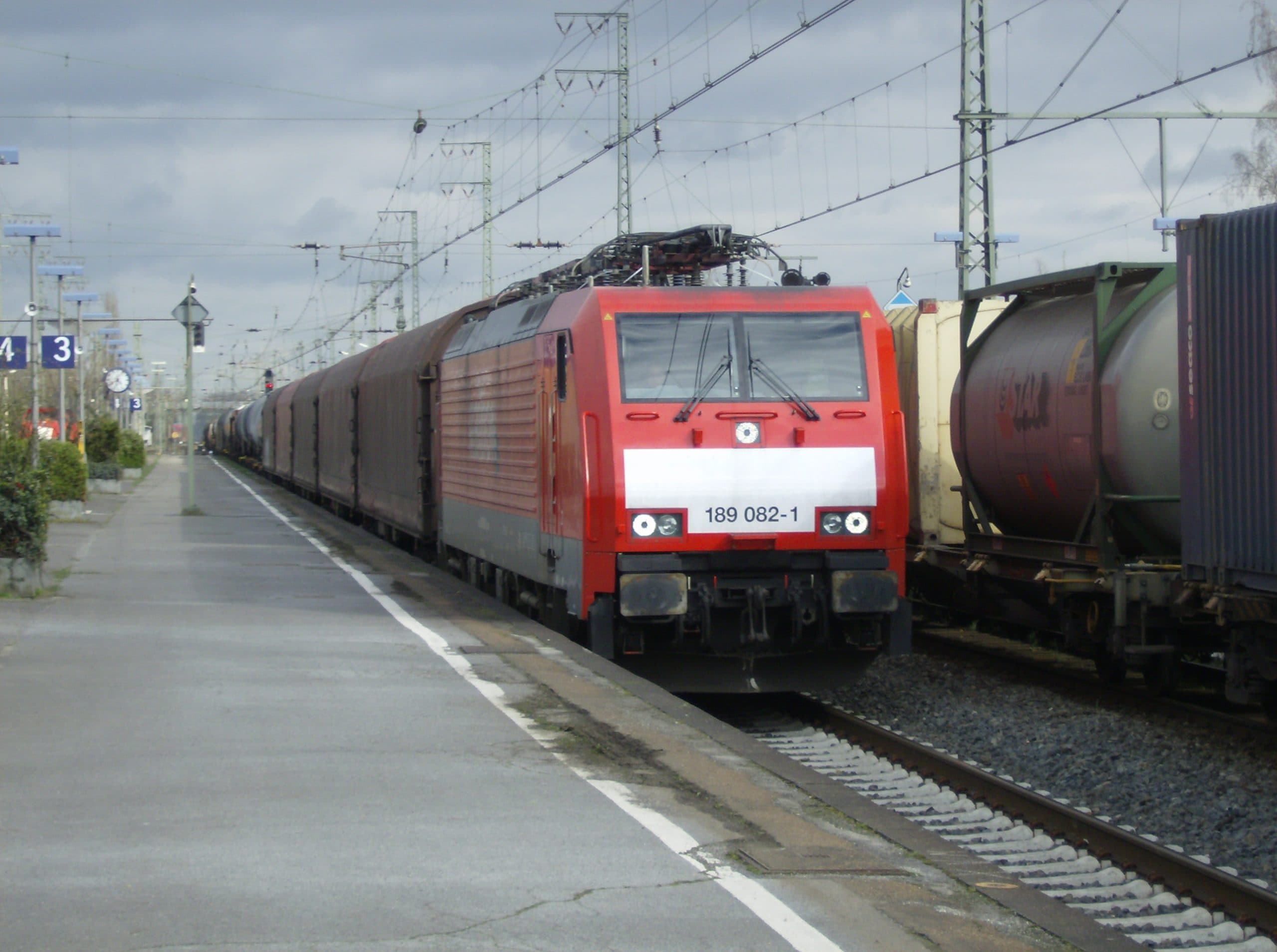
The Dutch Ministry of Infrastructure and Water Management is examining a novel operational concept known as "coasting" for freight trains as they approach and enter rail terminals. Traditionally, electric locomotives actively power trains throughout the entire process of entering a yard, often involving multiple shunting movements to position wagons. The proposed "coasting" method would enable trains to utilize their momentum to roll into designated tracks, minimizing the need for continuous locomotive power and extensive shunting.
This initiative is driven by a desire to modernize rail freight operations within the Netherlands, which currently rely on more conventional and often time-consuming handling procedures. By adopting a coasting approach, the ministry aims to address several key challenges, including reducing operational bottlenecks, improving the overall throughput capacity of rail terminals, and potentially decreasing energy consumption associated with frequent acceleration and braking.
For freight forwarders and operations managers, the implementation of such a system could lead to more predictable and faster terminal turnaround times for rail freight. Reduced shunting could translate into fewer delays and a more fluid movement of goods, enhancing the competitiveness of rail transport. Furthermore, any reduction in energy use could contribute to lower operational costs, which might eventually reflect in freight rates. This development signifies a move towards optimizing rail logistics infrastructure in a densely populated and economically vital region.
While the article does not specify a timeline for full implementation, the exploration by the Ministry suggests a commitment to improving rail freight efficiency in the coming years.