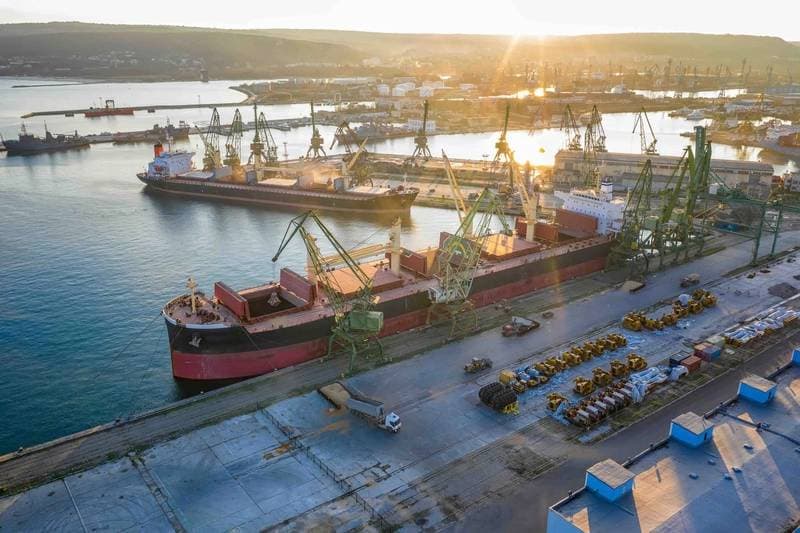
Drewry's latest analysis suggests that the primary cause of global port congestion is not a failure to invest in terminal infrastructure, but rather the pervasive impact of supply chain disruptions. These disruptions lead to inefficiencies that absorb significant terminal and vessel capacity, creating bottlenecks in the flow of goods.
For freight forwarders and operations managers, this implies that while port expansion might offer long-term benefits, immediate relief from congestion is more likely to come from improved supply chain stability and predictability. This could involve better forecasting, diversified sourcing, and more resilient logistics networks rather than simply adding more cranes or berths. The ongoing challenges mean forwarders should continue to factor in potential delays and capacity constraints when planning shipments, particularly on major trade lanes.