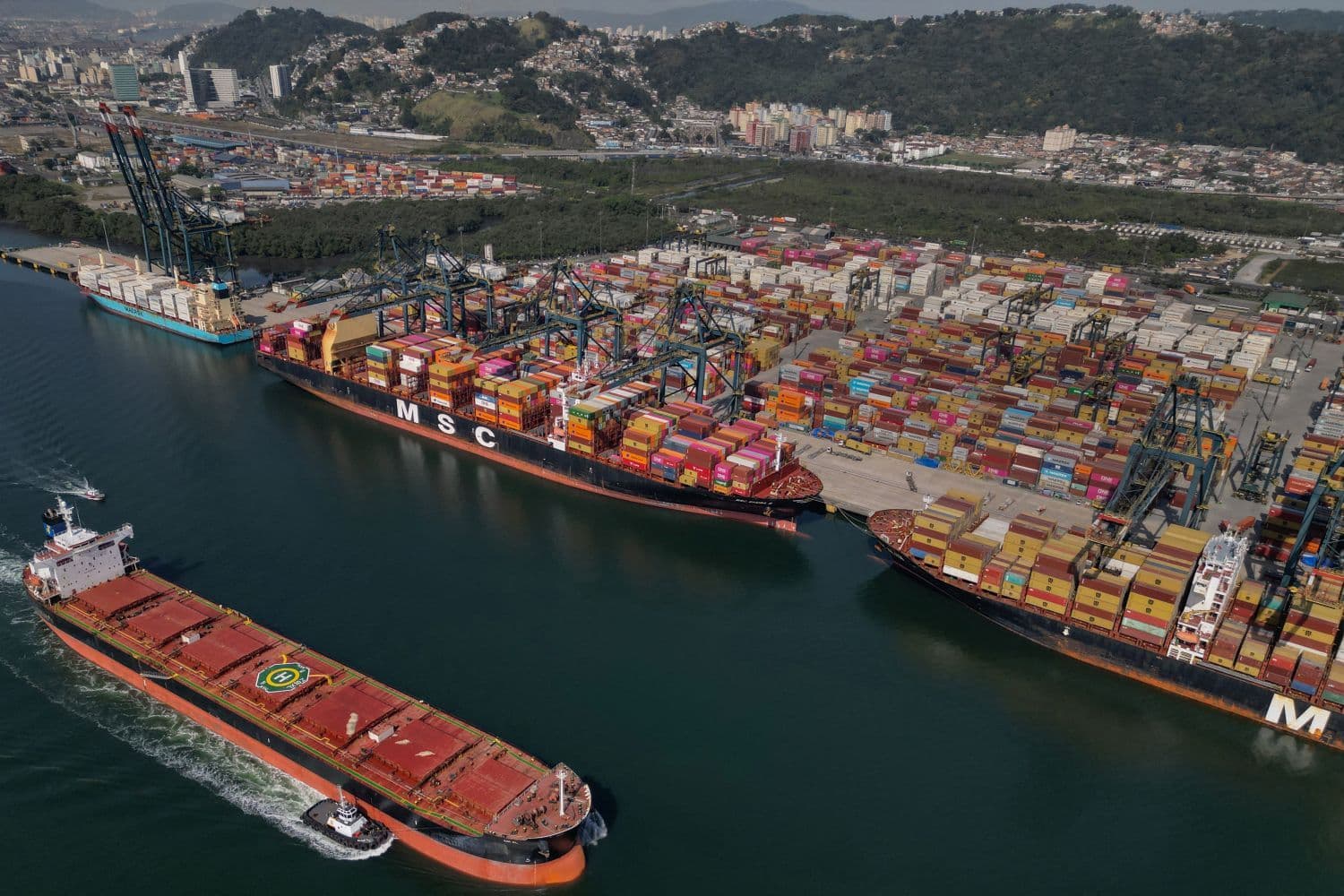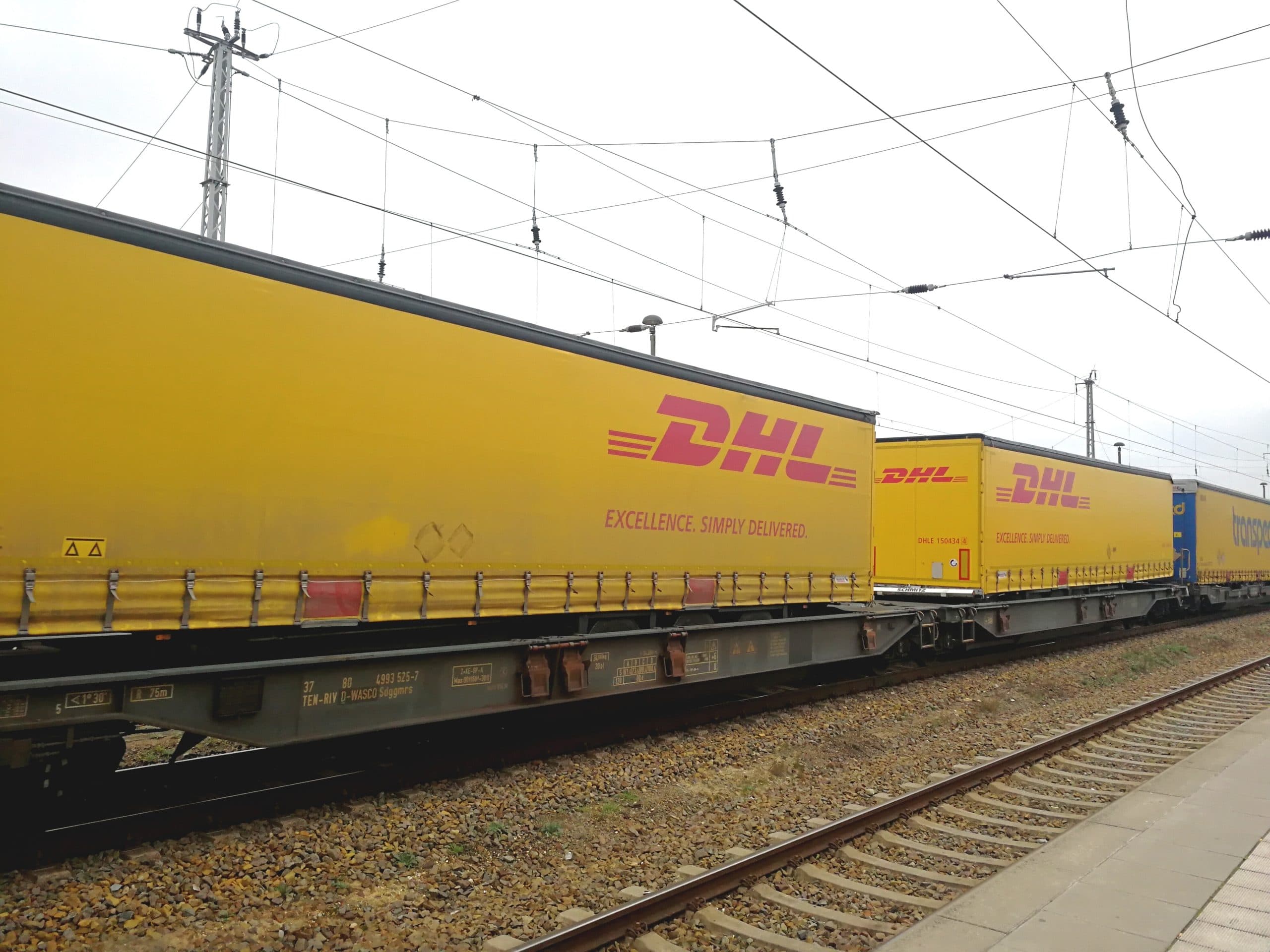
DHL Global Forwarding (DGF) has identified substantial obstacles in diverting cargo to rail and road transportation. This situation arises as historically low water levels continue to severely impede navigation on key waterways. The disruption forces shippers and logistics providers to seek alternative modes, but the existing infrastructure and capacity in rail and road networks present their own set of challenges.
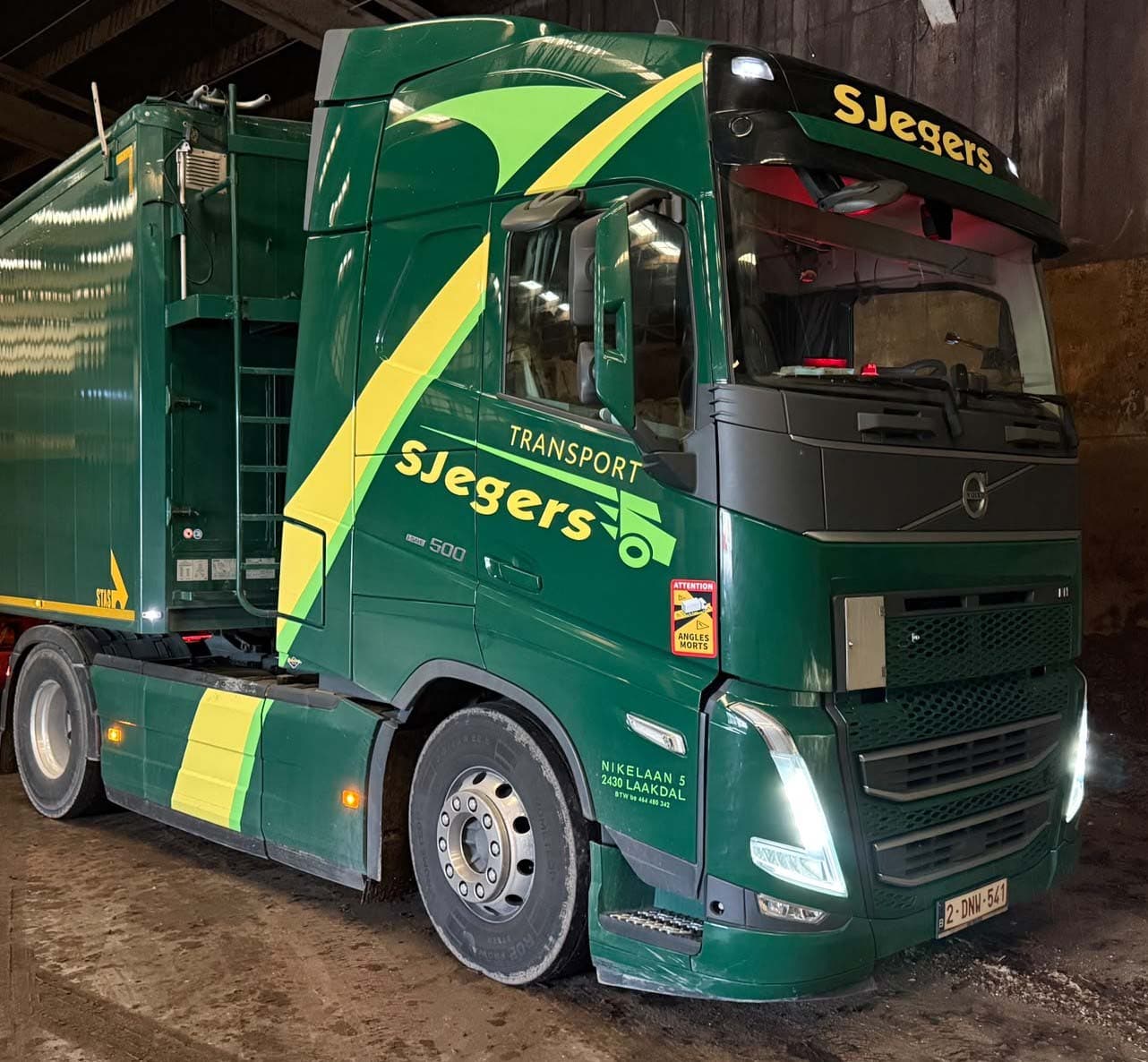
For freight forwarders and operations managers, this means navigating increased complexity in route planning and capacity allocation. The sudden surge in demand for rail and road services can lead to bottlenecks, longer transit times, and potentially higher costs. Securing space on trains or trucks may become more difficult, requiring forwarders to book further in advance or explore less conventional routes. This scenario underscores the need for flexible logistics strategies and robust contingency planning to mitigate supply chain disruptions.