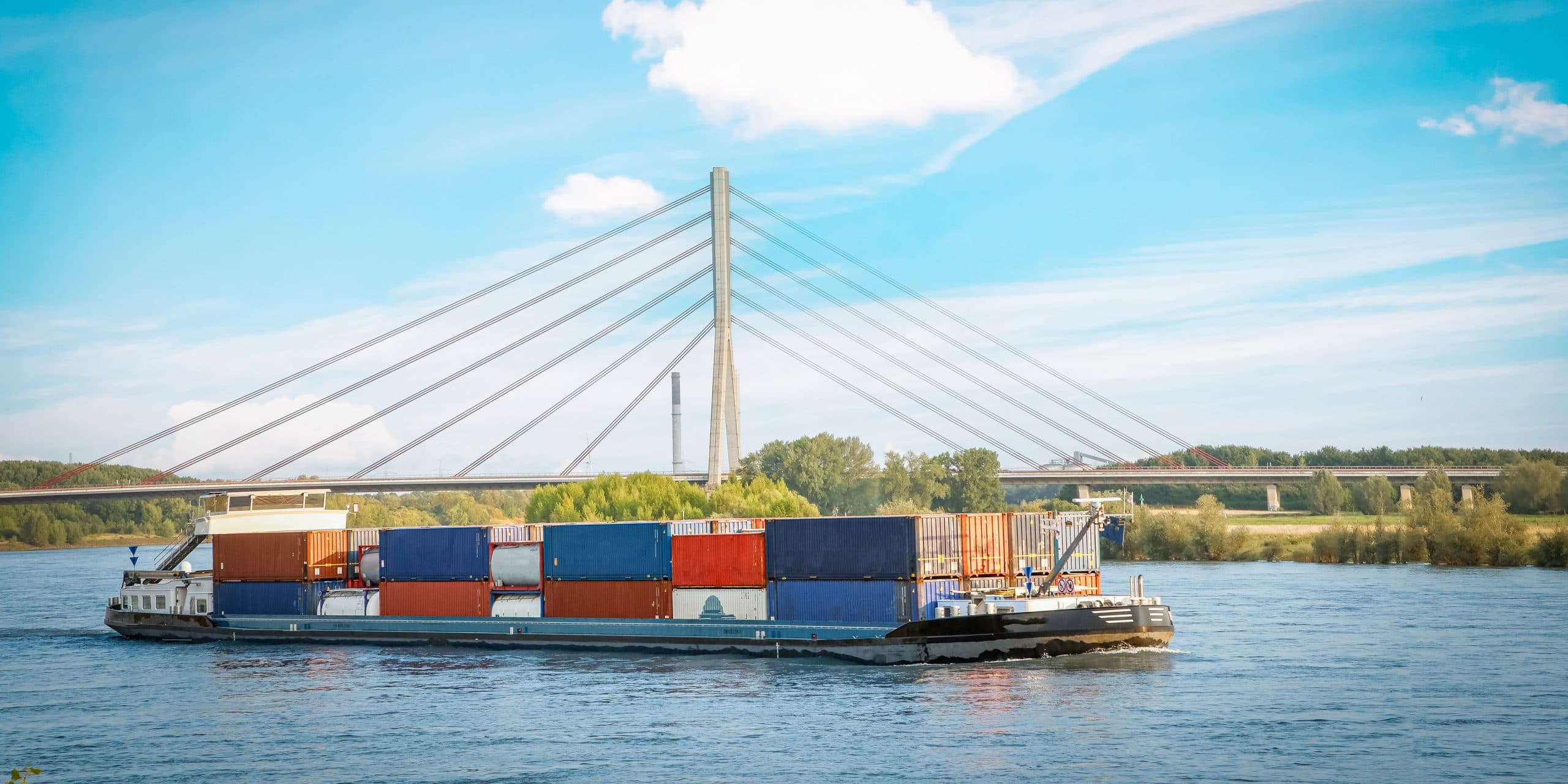
DB InfraGO, the German rail infrastructure operator, has implemented a new low-water coordinator service. This strategic move is designed to counteract the growing impact of climate change on crucial European freight routes, especially those traversing the Rhine region. The service will focus on monitoring water levels and coordinating responses to ensure the continued flow of rail freight.
This initiative comes as Europe, particularly Germany, has experienced several severe low-water periods in recent years, which have significantly disrupted inland waterway transport. The Rhine, a key artery for European logistics, has seen its navigability frequently challenged, leading to cargo shifts to other modes like rail. DB InfraGO's proactive measure acknowledges the increasing frequency and severity of these climate-related events.
For freight forwarders and operations managers, this development signals a more robust and predictable rail network in Germany, especially for routes paralleling the Rhine. While low water levels primarily affect barge traffic, the increased reliance on rail during such periods can strain rail capacity. This new coordination service should help manage potential bottlenecks and ensure smoother transitions for cargo diverted from waterways. It could lead to more stable transit times and better planning capabilities during environmental disruptions.
Looking ahead, the coordinator will likely work on developing contingency plans and optimizing rail capacity utilization during periods of low water, aiming to minimize disruptions to supply chains.