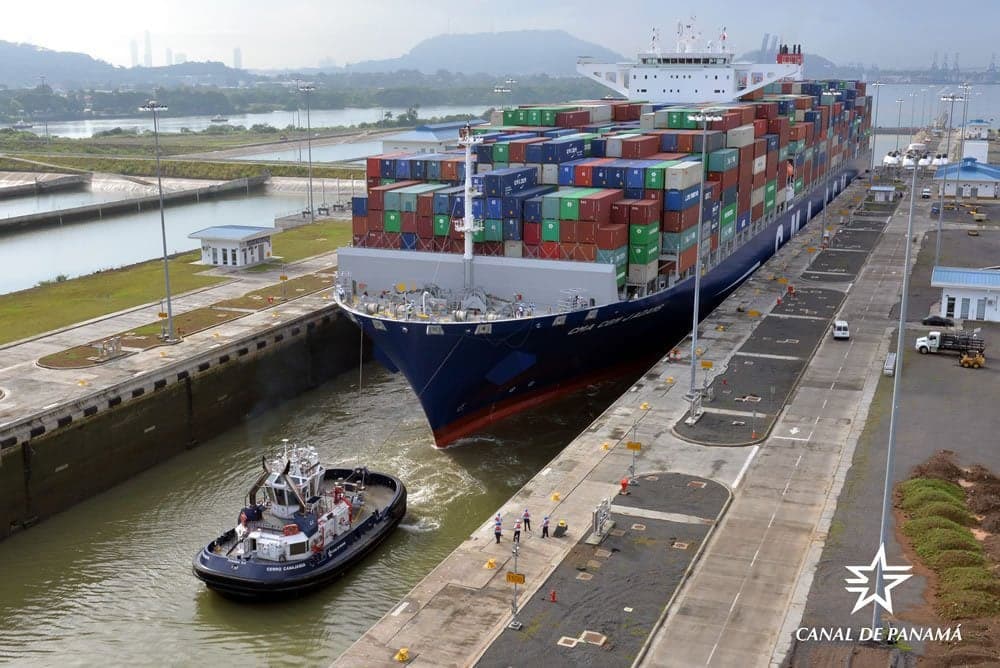
A container ship recently paid $4 million to secure a priority slot for transit through the Panama Canal. This payment allowed the vessel to bypass the standard waiting period, which has reportedly stretched to over a week due to ongoing congestion and draft restrictions. The Panama Canal Authority (ACP) offers these expedited slots through an auction system, providing a mechanism for vessels to reduce transit times when facing significant delays.
This event underscores the severe operational disruptions at the Panama Canal, primarily caused by persistent drought conditions limiting water levels and consequently, the number and size of daily transits. The auction system, while generating revenue for the ACP, also reflects the high cost of schedule reliability for carriers and shippers.
For freight forwarders and operations managers, such high payments for priority transit indicate the critical impact of Panama Canal delays on supply chain efficiency and costs. Shippers moving cargo through this vital waterway face increased transit times, potential missed connections, and higher overall logistics expenses, whether through direct surcharges or indirect costs from extended voyages. The willingness of a carrier to pay such a substantial sum suggests that the economic impact of delays, including potential penalties for late deliveries or lost sales, far outweighs the cost of the priority slot. Forwarders must continue to monitor canal conditions closely and consider alternative routing options or factor in potential delays and surcharges when planning shipments.
The situation at the Panama Canal is expected to remain challenging as drought conditions persist. The ACP continues to manage transit slots and draft restrictions, and the auction system for priority passage will likely remain an option for those willing to pay a premium to mitigate delays.