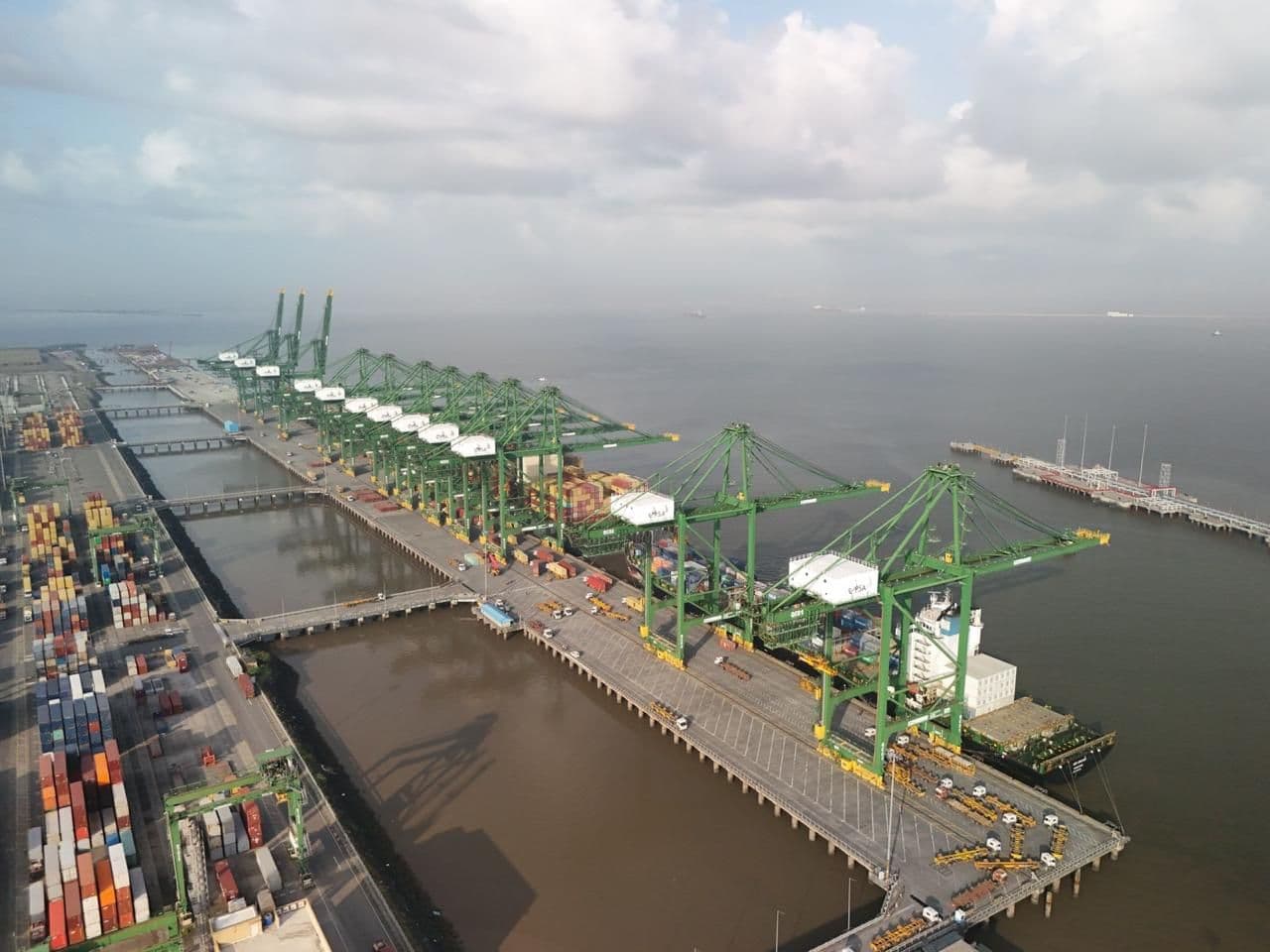
Chinese port stocks have experienced a notable rise, a development attributed to the ongoing softness in China's steel demand. This reduced demand has resulted in a continued accumulation of iron ore inventories at Chinese ports throughout July. The current market conditions suggest a weakening in the fundamental dynamics of the iron ore sector.
This situation means that freight forwarders and operations managers should anticipate potential shifts in dry bulk shipping demand, particularly for iron ore. Reduced demand for steel in China could lead to lower charter rates for Capesize and Panamax vessels, impacting overall shipping costs. Additionally, the increasing port inventories might cause some congestion or delays at key Chinese iron ore receiving ports, affecting vessel turnaround times and scheduling reliability.
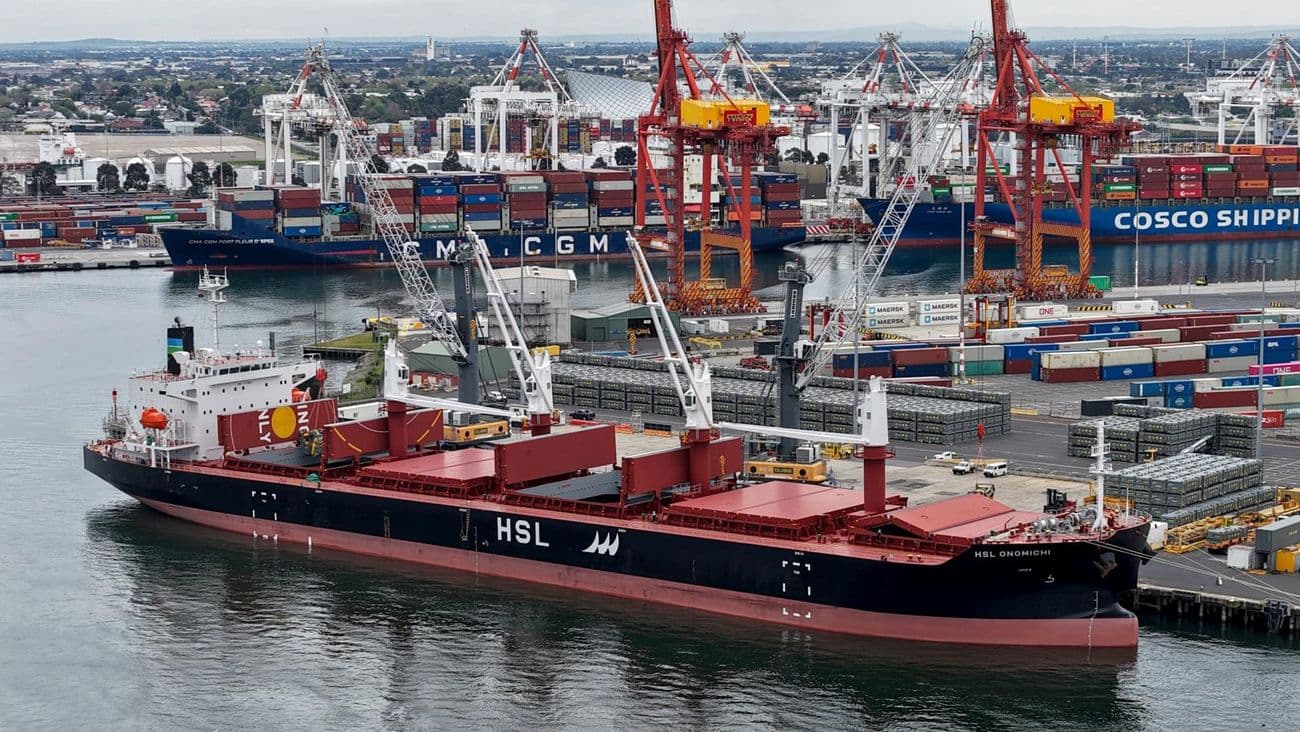
Furthermore, the article highlights that exports from Australia and Brazil, major iron ore suppliers, are encountering increasing challenges. Concurrently, the Simandou project is emerging as a new, high-grade iron ore source, which could introduce new trade routes and competitive dynamics within the global iron ore market. This shift in supply sources could influence vessel deployment strategies and potentially alter traditional shipping lanes for dry bulk carriers.