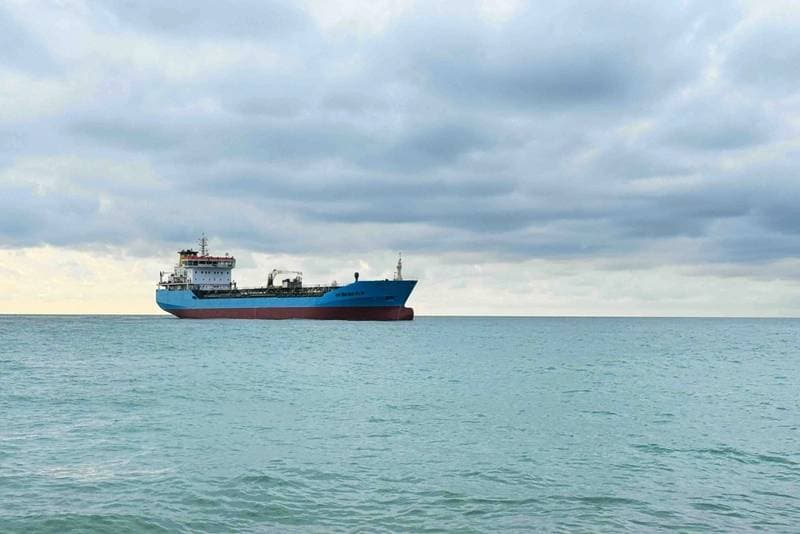
The Baltic Dry Index (BDI) experienced a 0.7% increase on Friday, closing at 2,863 points. This upward movement helped to offset a broader weekly decline for the index. The rebound occurred after the BDI had seen four consecutive sessions of losses.
Contributing to the BDI's recovery, the capesize index, which tracks vessels typically carrying 150,000-ton cargoes such as iron ore and coal, advanced by 1.5% to 4,538. Similarly, the supramax index recorded a 0.6% rise, reaching 1,622, its highest point since July 28. Conversely, the panamax index, which monitors vessels carrying 60,000-70,000 tons of coal or grain, saw a decrease.
For freight forwarders, fluctuations in the BDI are a key indicator for dry bulk shipping costs. A rising BDI generally suggests increasing demand for bulk commodities and potentially higher freight rates for dry bulk cargo. While this article focuses on the BDI's daily and weekly movements, it provides insight into the underlying market conditions for bulk commodities, which can indirectly influence overall logistics planning and capacity availability, particularly for project cargo or breakbulk movements that might share vessel space or compete for port resources.