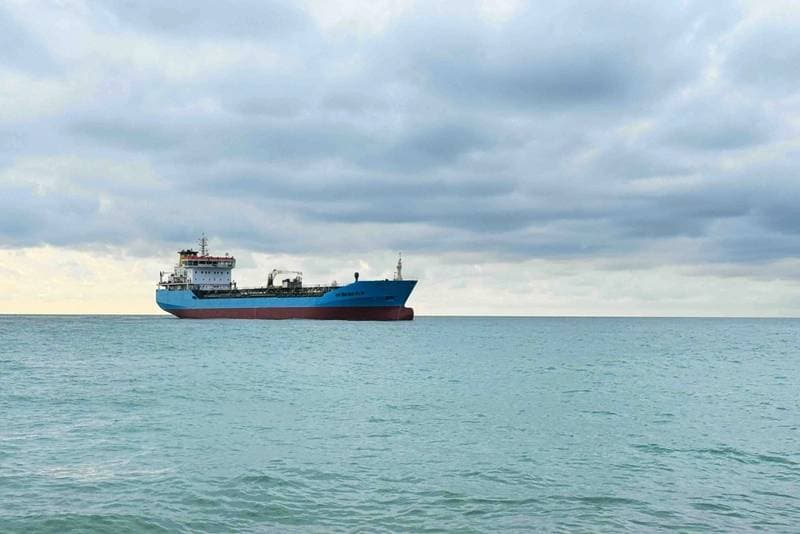
The Baltic Dry Index (BDI) registered a 1.2% decrease on Tuesday, settling at 3,046 points. This extended a previous 0.2% decline observed on Monday. The capesize index, which typically tracks vessels carrying approximately 150,000 tons of bulk commodities like iron ore and coal, saw a notable 2% reduction, falling to 5,001. Additionally, the supramax index decreased by 0.2% to 1,600, marking its lowest point in nine weeks. In contrast, the panamax index recorded an upward movement.
For freight forwarders and operations managers, a declining BDI, particularly in the capesize and supramax segments, generally indicates softening demand for dry bulk commodities. This could lead to lower charter rates for dry bulk vessels, potentially impacting the cost of transporting raw materials such as iron ore, coal, and grains. While this directly affects dry bulk shippers, it can also indirectly signal broader economic trends that might influence container and other freight markets.