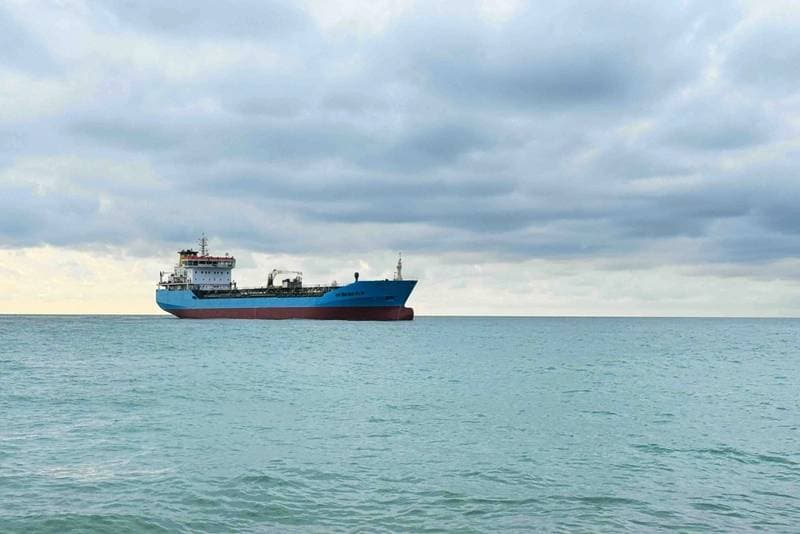
The Baltic Dry Index (BDI), a key indicator for dry bulk shipping rates, registered a 0.2% decrease on Monday, settling at 3,083 points. This dip occurred after the index had reached its highest level in nine weeks on the preceding Friday. The capesize index, which tracks vessels typically carrying 150,000-ton cargoes such as iron ore and coal, contributed to the overall decline, falling by 0.5% to 5,105 points. Conversely, the panamax index, representing ships that transport 60,000 to 70,000 tons of commodities like coal or grain, showed a slight increase of 0.4%.
For freight forwarders and operations managers, fluctuations in the BDI directly impact the cost of transporting dry bulk commodities. A declining BDI, especially in the capesize segment, could signal softening demand for major raw materials like iron ore and coal, potentially leading to lower charter rates for these vessel types. While this specific article reports a minor dip, sustained downward trends could translate to more favorable pricing for shippers moving bulk goods, though it might not directly affect container or air cargo rates.