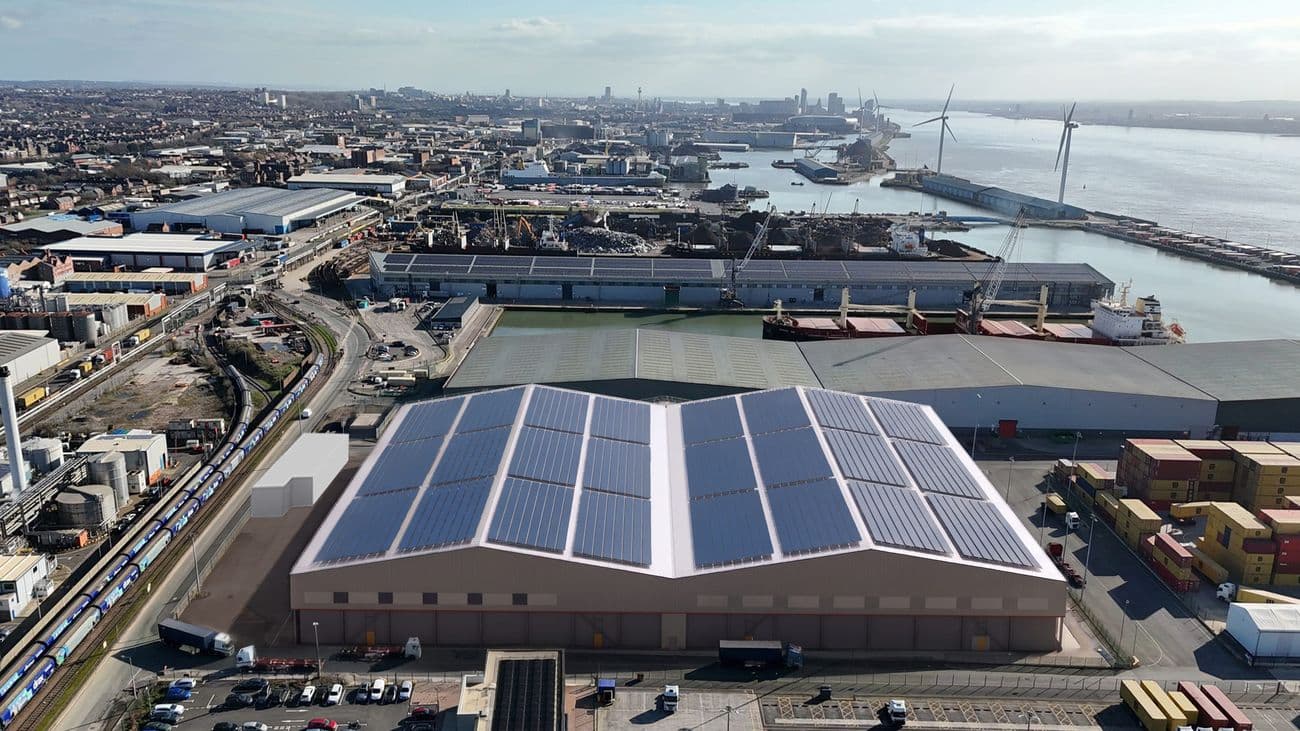
Ports occasionally impose specific requirements for the number of mooring lines a vessel must have on board, which can sometimes surpass the standard complement a ship normally carries. This situation raises questions about accountability when a vessel arrives with fewer lines than mandated by port authorities.
This issue primarily concerns the operational interface between port regulations and vessel capabilities. While ports aim to ensure safe berthing, shipowners are responsible for maintaining their vessels in accordance with class and flag state rules, which may not always align with every port's unique demands. The discrepancy can lead to delays, additional costs, or even refusal of entry if not addressed proactively.
For freight forwarders and operations managers, this scenario underscores the importance of pre-arrival planning and communication. It means checking port-specific requirements for vessel equipment, especially for non-standard or older vessels, to avoid unexpected issues. Potential impacts include delays in port calls, which can disrupt schedules and lead to demurrage charges, or the need to source additional mooring lines locally, incurring extra costs and logistical challenges. Forwarders should advise shippers to confirm their carriers' compliance with destination port regulations to prevent supply chain disruptions.
While the article does not explicitly state what happens next, the implication is that clarity on these responsibilities is crucial for preventing disputes and ensuring smooth port operations. Future discussions may involve standardizing mooring requirements or developing clearer guidelines for cost and responsibility sharing when additional equipment is needed.