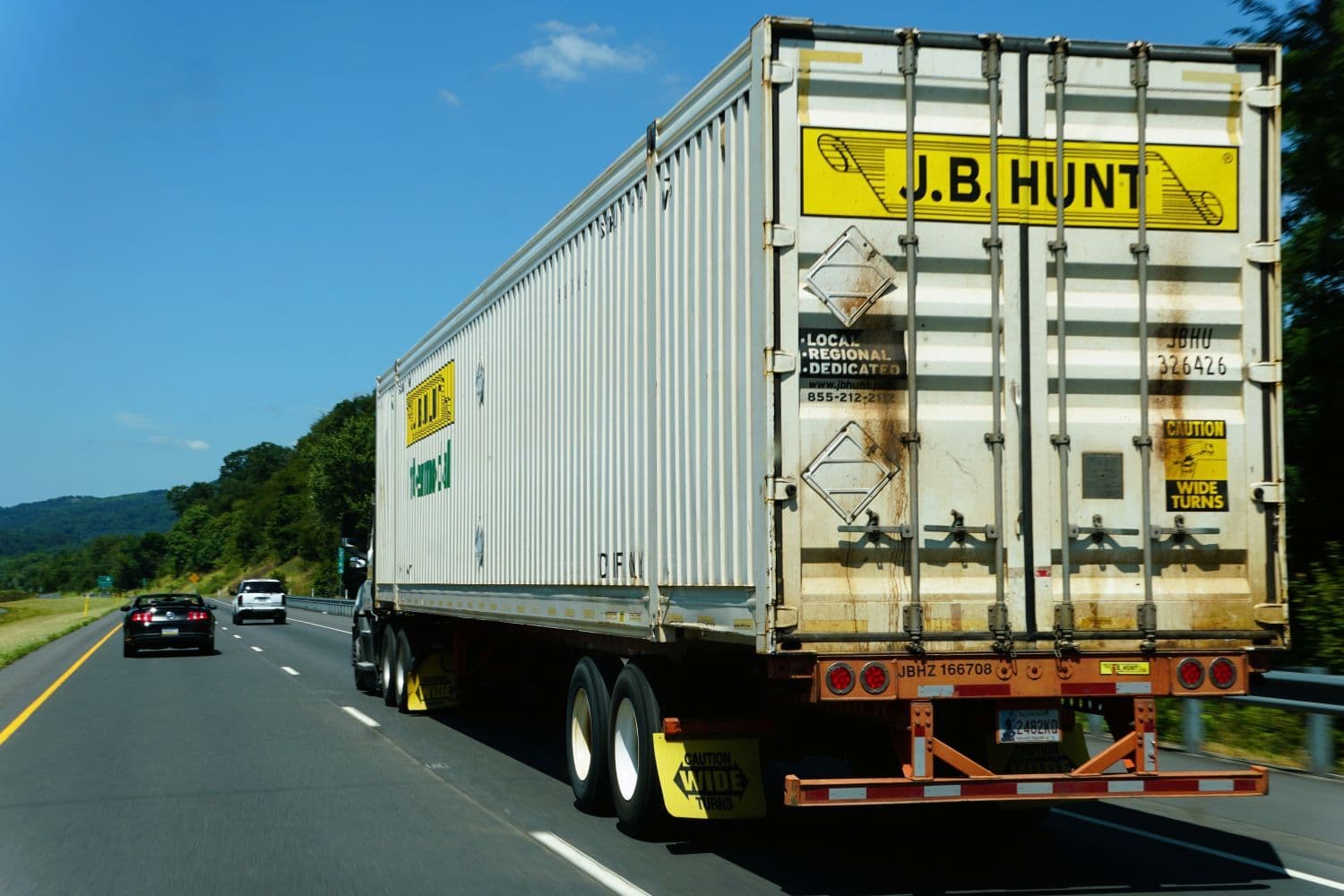
During a recent Q2 earnings call, executives from J.B. Hunt highlighted that the observed recovery in the freight market is predominantly a result of a reduction in available trucking capacity. They clarified that this trend is not being fueled by a significant surge in freight demand. Instead, the market is experiencing a contraction in capacity due to several key factors, including a decrease in the number of available drivers, more stringent regulatory enforcement, and escalating operating costs for trucking companies. These combined pressures are leading to a faster removal of trucks from the market than the rate at which freight demand is growing.
For freight forwarders and operations managers, this situation implies that while rates might appear to be recovering, the underlying cause is a supply-side constraint rather than a robust increase in cargo volumes. This could lead to increased lead times and potentially higher costs for road transport, even if overall economic demand remains subdued. Forwarders should anticipate continued challenges in securing truckload capacity and factor in potential rate volatility driven by capacity shortages rather than demand surges. Careful planning and early booking will be crucial for inland legs.