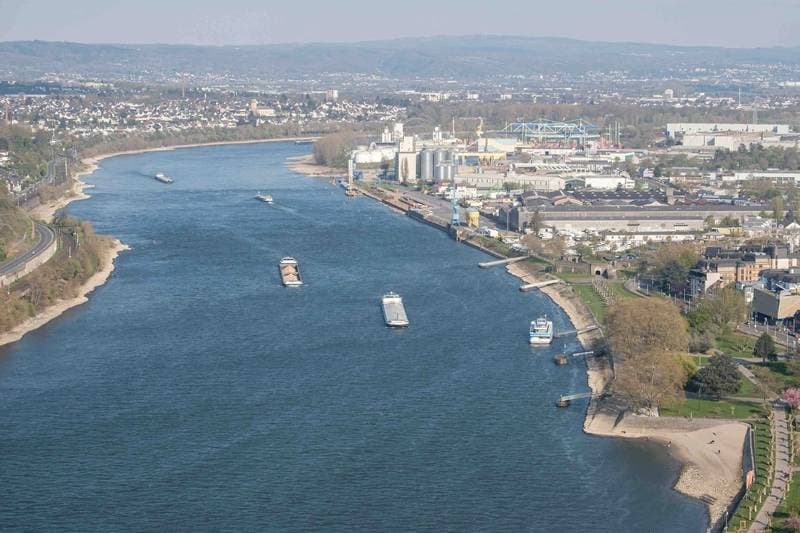
Thyssenkrupp Steel has announced a halt to its raw material shipments via barge to its plant in Duisburg, Germany. This decision stems from the persistently low water levels on the Rhine River, which make navigation for heavily laden vessels unfeasible. The company typically moves approximately 50,000 tons of materials, including iron ore and coal, weekly along this crucial waterway.
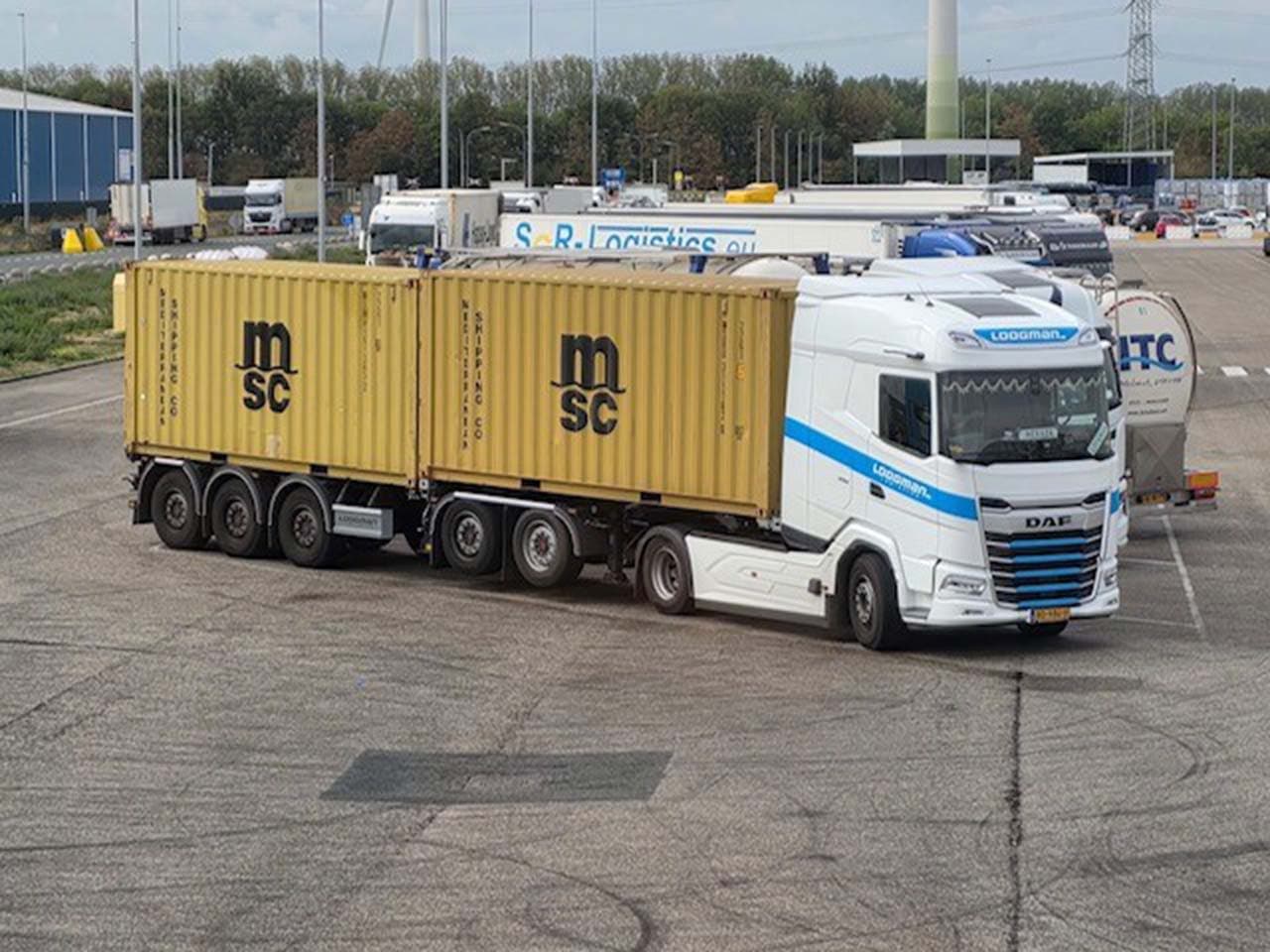
For freight forwarders and operations managers, this situation necessitates a rapid pivot to alternative transport modes, primarily rail and road. The sudden shift will likely strain existing capacity on these networks, potentially leading to increased costs and longer transit times for affected cargo. Shippers dependent on Rhine River transport for bulk commodities should anticipate similar disruptions and evaluate contingency plans.
While the article does not specify the duration of the suspension, such events often persist until sufficient rainfall replenishes river levels. This highlights the vulnerability of inland waterway logistics to climate-related factors and underscores the importance of diversified supply chain strategies.