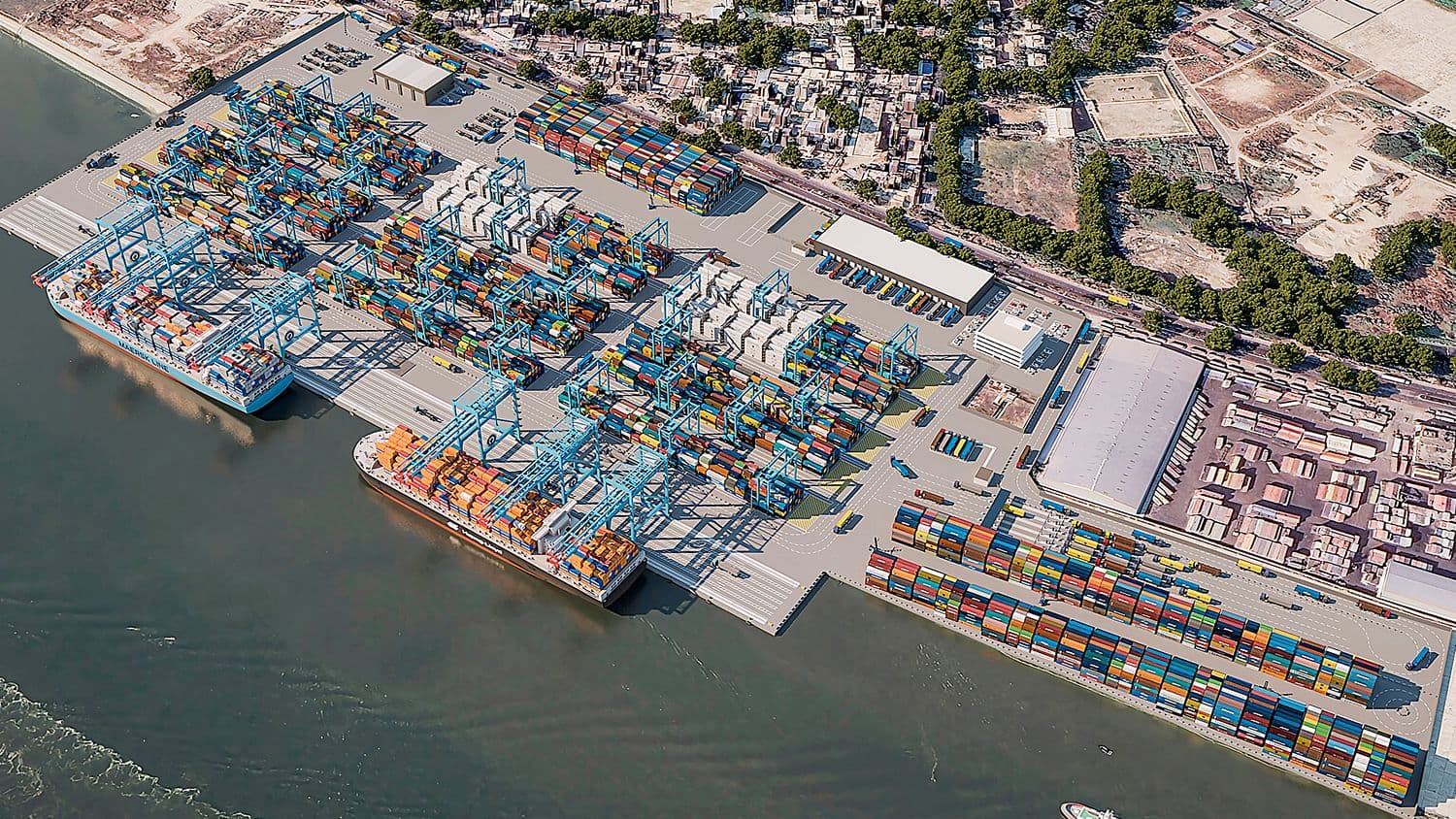
Terminal operators are experiencing a widening gap between their planned investments in new container handling equipment and the actual delivery timelines from original equipment manufacturers (OEMs). This indicates a potential bottleneck in the supply chain for port infrastructure, where the demand for new machinery, such as cranes and straddle carriers, is outstripping the production capacity of manufacturers.
For freight forwarders and operations managers, this situation could translate into several challenges. Delays in equipment delivery may hinder port expansion projects or upgrades, potentially leading to increased port congestion and slower vessel turnaround times in the future. This could impact schedule reliability and require forwarders to factor in longer lead times for ocean shipments, especially at ports undergoing significant infrastructure development. It might also influence carrier decisions on port calls if certain terminals are unable to handle increased volumes efficiently due to equipment shortages.