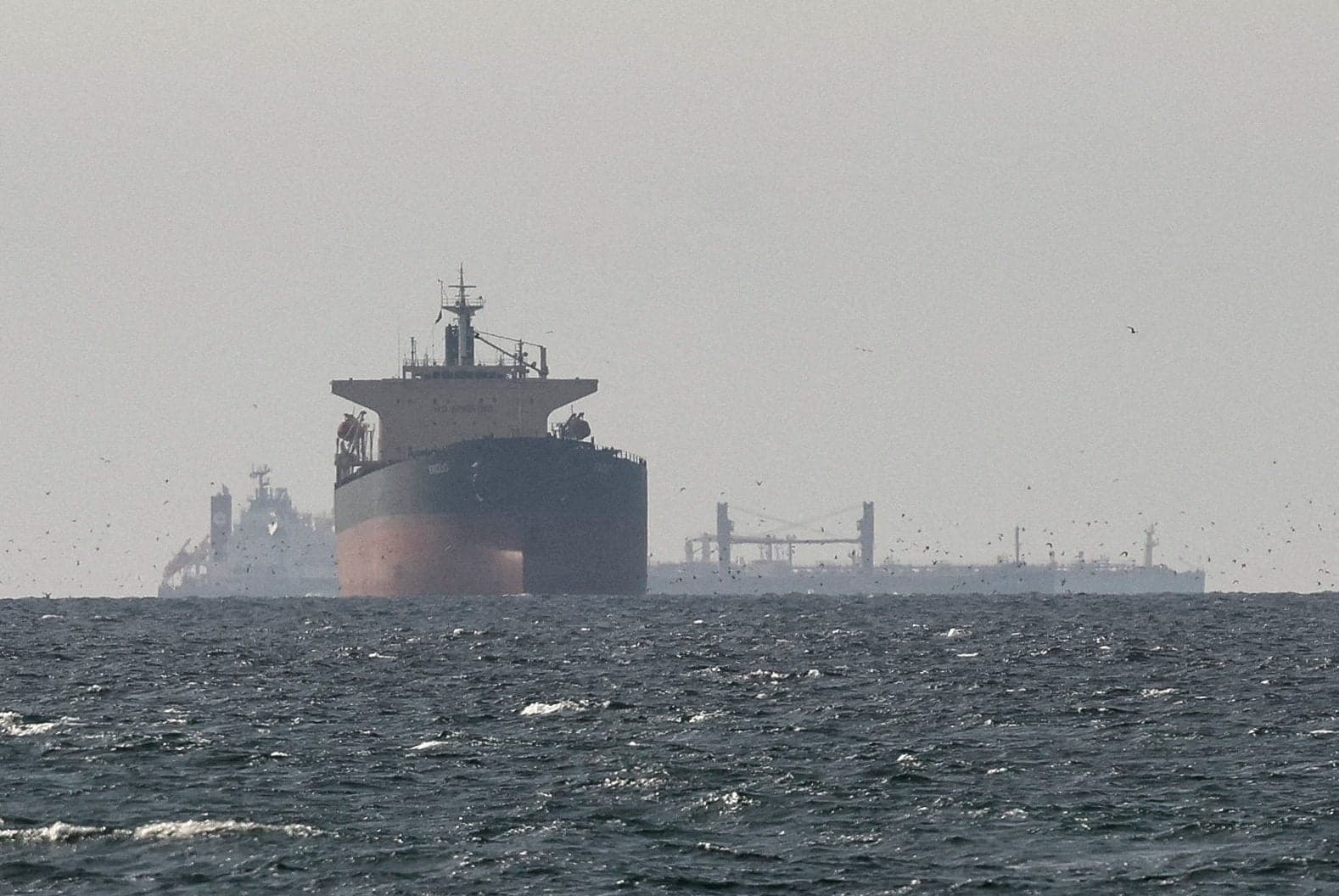
The number of tankers navigating the Strait of Hormuz decreased significantly, with only a single transit recorded on Thursday, marking the lowest volume since May 7. This reduction in maritime traffic is occurring against a backdrop of ongoing security challenges for shipping in the Middle East region.
For freight forwarders and operations managers, reduced tanker traffic in a critical chokepoint like the Strait of Hormuz can signal heightened geopolitical risk, potentially leading to increased war risk premiums for cargo insurance. While this specific article focuses on oil tankers, a broader escalation of tensions could impact all vessel types, leading to rerouting, delays, and higher operational costs. Shippers should monitor the situation closely for potential disruptions to supply chains originating from or transiting through the Arabian Gulf.