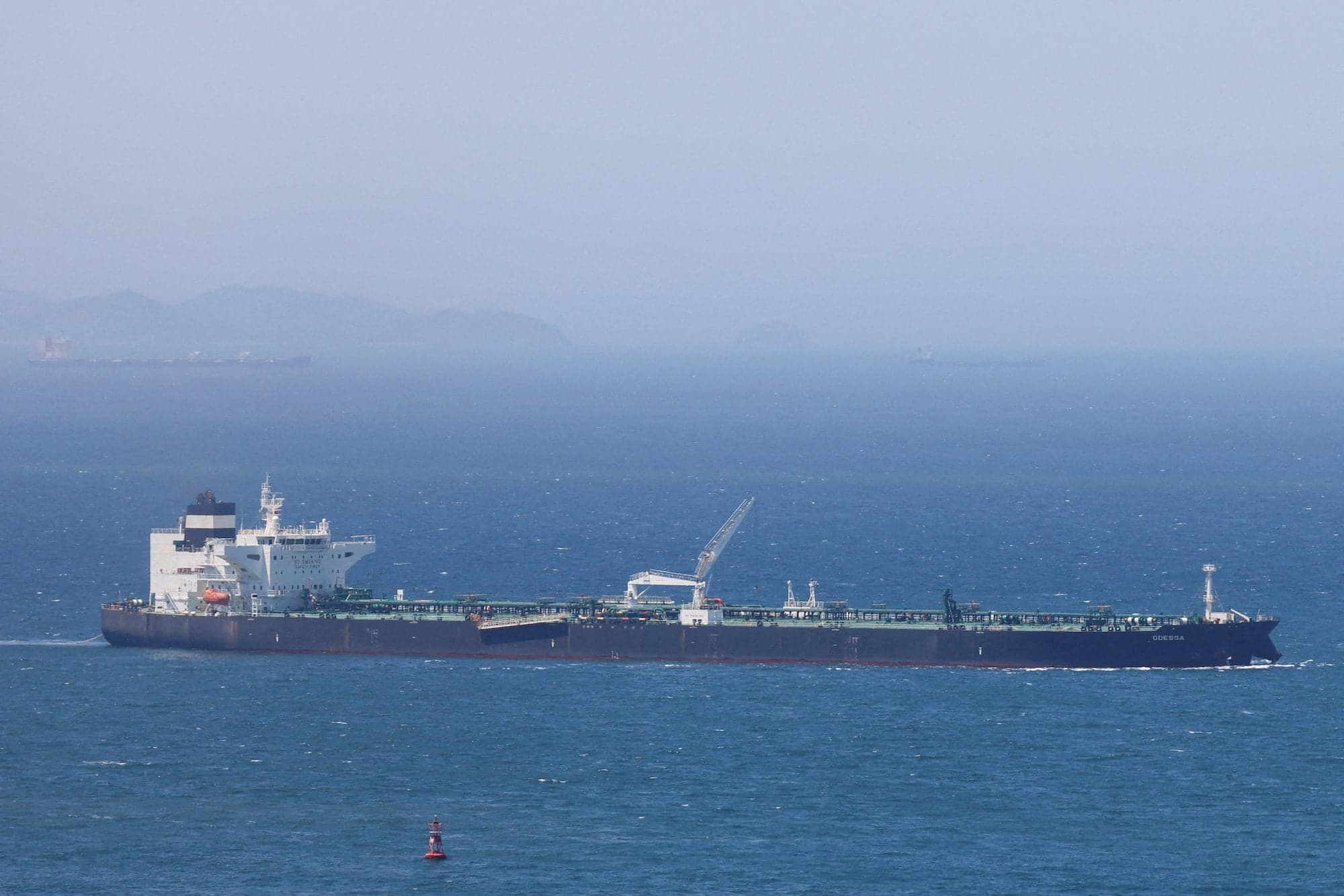
The Strait of Hormuz is experiencing a resurgence of geopolitical tensions, negatively affecting maritime trade. A memorandum of understanding, intended to de-escalate months of tanker attacks between the United States and Iran, has failed. Both nations are reportedly resuming hostile actions, rendering the Strait of Hormuz, a vital passage for global oil shipments, increasingly risky for many shipowners.
For freight forwarders and shippers, this escalation means potential disruptions to shipping schedules and increased operational costs. The heightened risk in the Strait of Hormuz will likely lead to higher war risk insurance premiums for vessels transiting the area. Carriers may also implement surcharges or seek alternative, longer routes, especially for oil and chemical tankers, to avoid the volatile region. This could result in extended transit times and increased fuel consumption, ultimately impacting freight rates and supply chain reliability for goods originating from or destined for the Persian Gulf region.