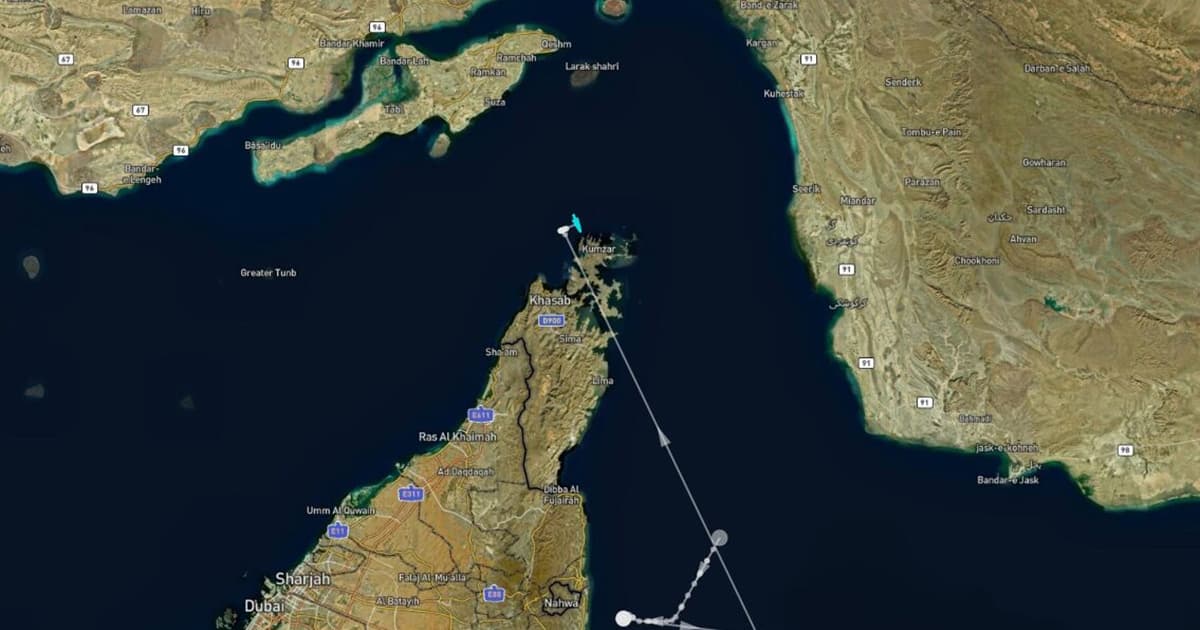
Shipping activity in the Strait of Hormuz has experienced significant disruption, nearing a standstill, following a series of attacks targeting vessels operated by Dynacom. This incident underscores the escalating tensions and inherent dangers for maritime transport navigating this vital chokepoint.
The Strait of Hormuz is a crucial passage for global oil and gas shipments, connecting the Persian Gulf to the open ocean. Recent geopolitical events have contributed to a volatile environment, making transits increasingly perilous for commercial shipping.
For freight forwarders and shippers, this situation implies immediate operational challenges. Vessels may face delays, requiring rerouting or extended waiting periods, which will impact delivery schedules and potentially lead to increased demurrage costs. Furthermore, the heightened risk is likely to result in elevated war risk insurance premiums, directly affecting freight rates and overall shipping expenses. Forwarders should communicate proactively with clients about potential disruptions and cost adjustments, exploring alternative transport options where feasible, though options for this specific strait are limited.