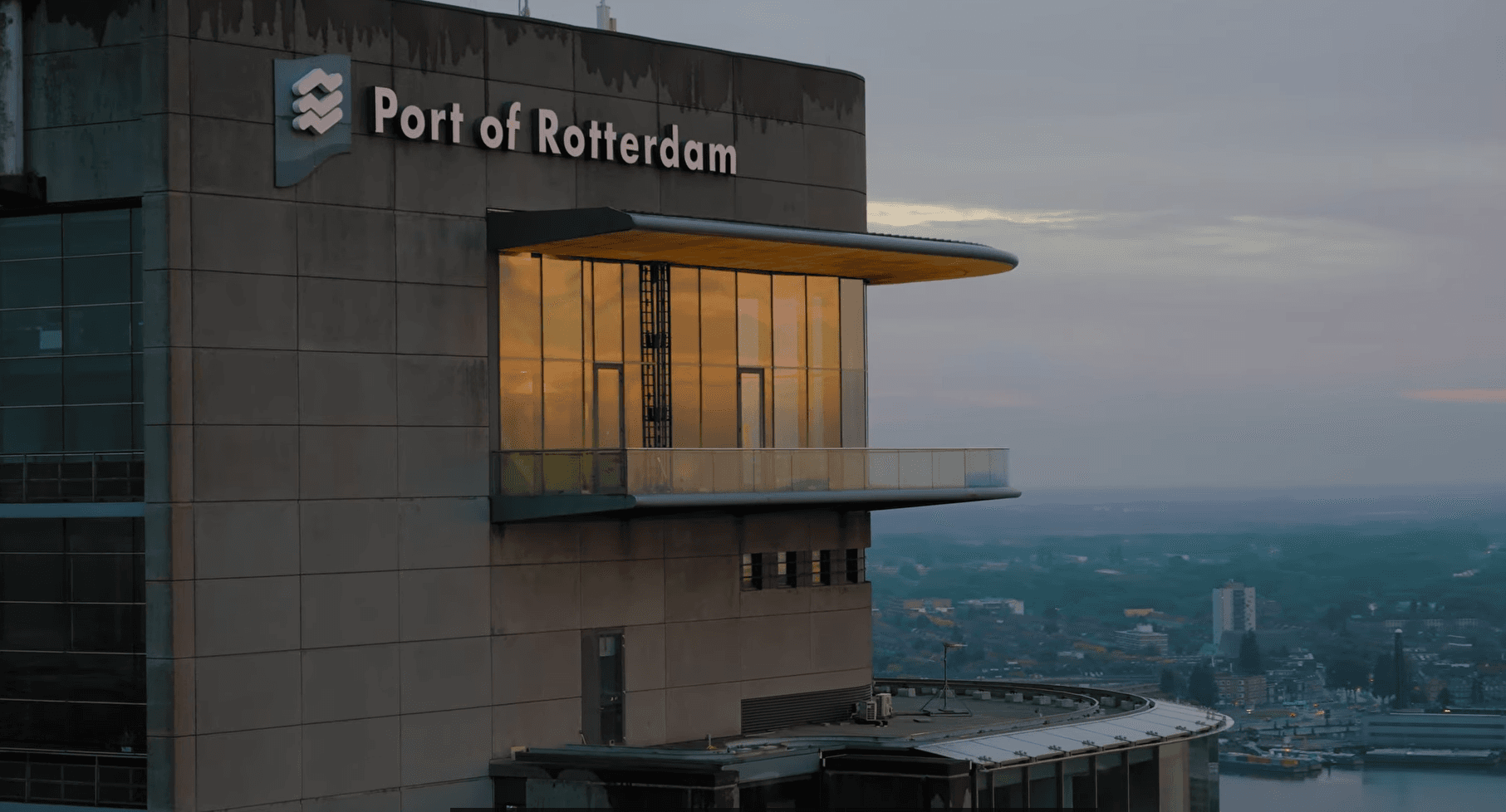
The Port of Rotterdam successfully managed 212 million tonnes of cargo throughput, navigating a period marked by significant global instability, including the ongoing Hormuz crisis. This achievement was primarily driven by a substantial rise in oil imports, which effectively counterbalanced a reduction in container volumes. The port's ability to maintain its overall throughput demonstrates its robust operational capacity and strategic importance in global trade flows.
For freight forwarders and operations managers, this indicates a shift in cargo composition at Rotterdam. While overall tonnage remained stable, the decrease in container traffic might suggest altered supply chain strategies or reduced demand in certain sectors. Conversely, the surge in oil imports points to continued energy demand and potentially stable or increased tanker traffic. Forwarders should monitor specific commodity flows and adjust their booking strategies accordingly, especially for containerized cargo, as capacity and rates could be influenced by these shifts.