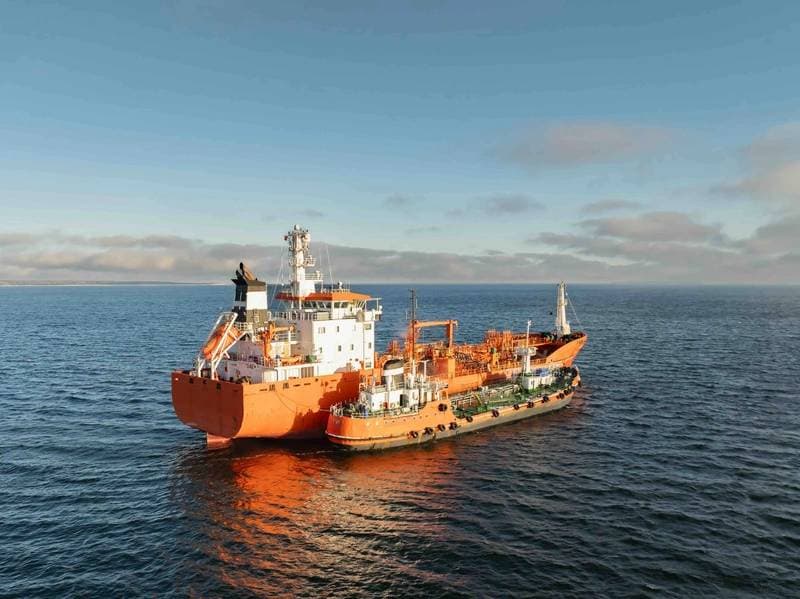
Ship-to-ship (STS) oil transfers in the waters adjacent to the Strait of Hormuz have experienced a significant slowdown. This reduction is a direct consequence of a series of recent attacks on commercial vessels, which satellite analysis and industry sources attribute to Iranian forces. The incidents have escalated security risks for tankers operating in the region.
This development occurs against a backdrop of ongoing tensions in the Middle East, particularly since the start of the Iran war in late February. The Strait of Hormuz is a critical chokepoint for global oil shipments, and the adjacent Gulf of Oman is a key area for STS transfers, which allow larger tankers to offload cargo onto smaller vessels for onward distribution or to avoid draft restrictions at certain ports.
For freight forwarders and shippers, this situation translates into several operational challenges. Increased security risks in the Gulf of Oman will likely lead to higher war risk insurance premiums for vessels transiting or conducting STS operations in the area. This additional cost will be passed on to shippers, impacting overall freight expenses. Furthermore, carriers may face difficulties securing vessels willing to operate in the high-risk zone, potentially causing delays and disruptions to oil supply chains. Forwarders should anticipate longer lead times and higher costs for crude and refined product movements originating from or transiting this region, and consider alternative routing or inventory strategies where feasible.
It is anticipated that if tensions persist, the slowdown in STS transfers could continue, potentially affecting global oil supply dynamics and pricing. Stakeholders will closely monitor the geopolitical situation and its implications for maritime security in this vital trade lane.