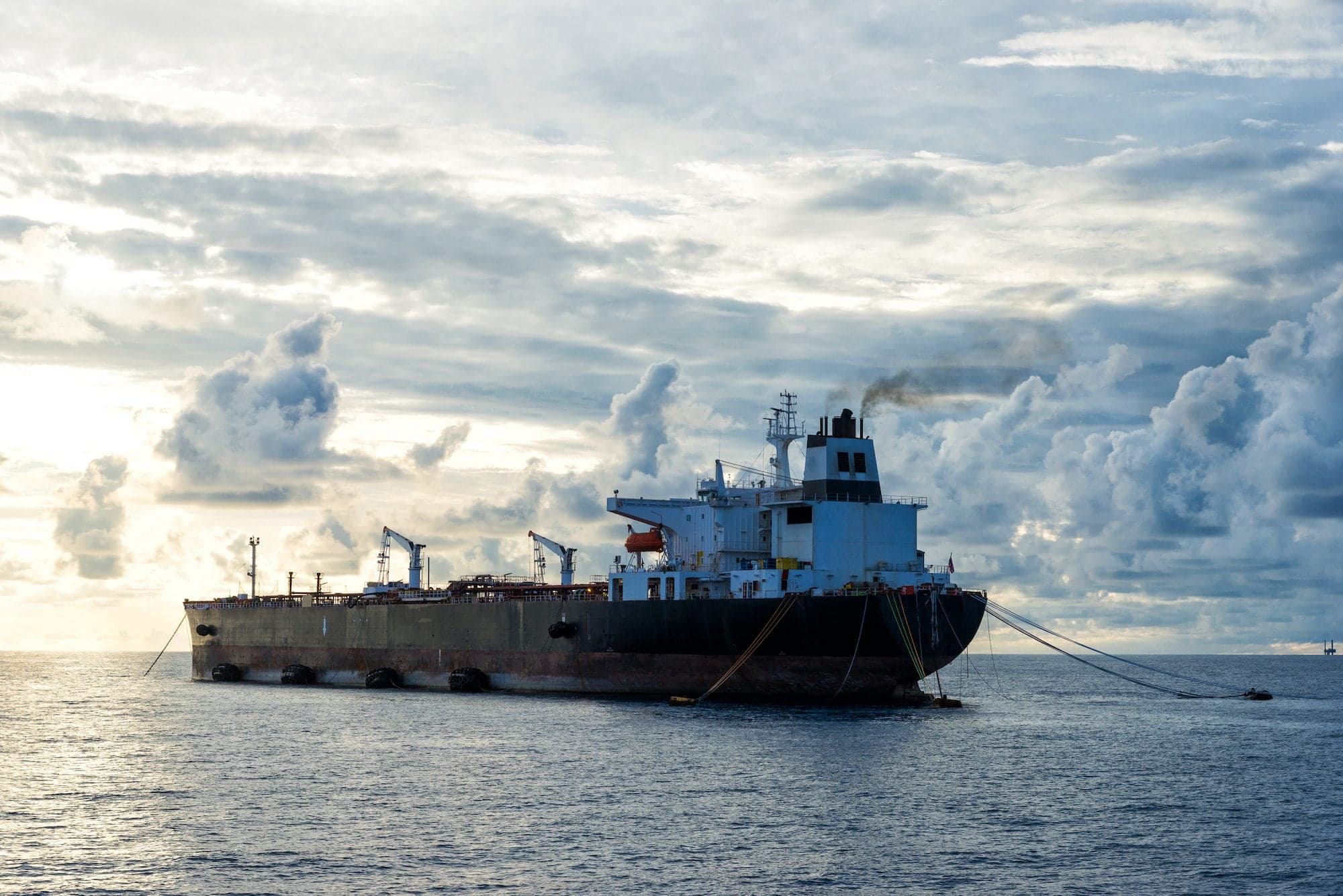
Global oil markets are currently experiencing a fragile recovery following several months of significant disruptions. However, the International Energy Agency (IEA) has issued a cautionary statement, indicating that the long-term stability of this recovery is critically dependent on maintaining open and secure transit through the Strait of Hormuz. Any resurgence of conflict or instability in the region could severely undermine the current positive market trends.
For freight forwarders and logistics professionals, this situation carries considerable implications. Disruptions in the Strait of Hormuz, a vital chokepoint for global oil shipments, would likely lead to increased oil prices. This, in turn, would directly impact bunker fuel costs for ocean carriers, potentially resulting in higher freight rates and surcharges for shippers. Furthermore, heightened tensions could introduce new security risks for vessels transiting the area, necessitating additional war risk premiums and potentially causing delays or re-routing of shipments, complicating supply chain planning and execution.