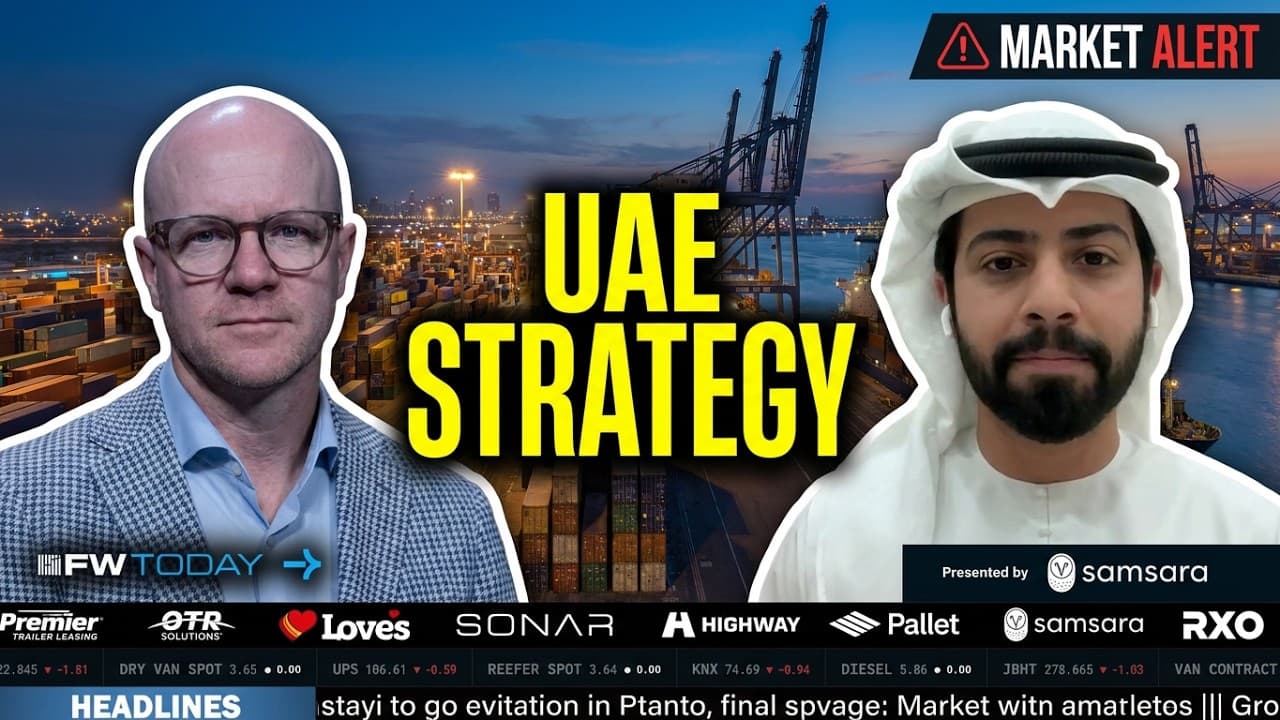
Political analyst Ahmed Sharif Al Ameri has identified the Iranian regime's alleged 'terrorist' activities as a primary cause of persistent instability in the Middle East. These actions are reportedly jeopardizing global energy supplies and critical supply chain routes.
In response to these regional challenges, the United Arab Emirates (UAE) is pursuing a proactive strategy. This includes its decision to exit OPEC, which grants the UAE greater control over its oil production policies. Additionally, the nation is investing significantly in developing alternative pipeline infrastructure. These measures aim to ensure long-term stability for its energy exports and support broader economic diversification efforts.
For freight forwarders and supply chain managers, this ongoing instability in the Middle East, particularly concerning Iran, signals potential disruptions to key shipping lanes and energy transit points. Increased geopolitical tensions could lead to higher war risk premiums, rerouting of vessels, and potential delays, impacting transit times and freight costs. The UAE's strategy to secure its energy exports through alternative routes might offer some mitigation but highlights the region's inherent volatility.