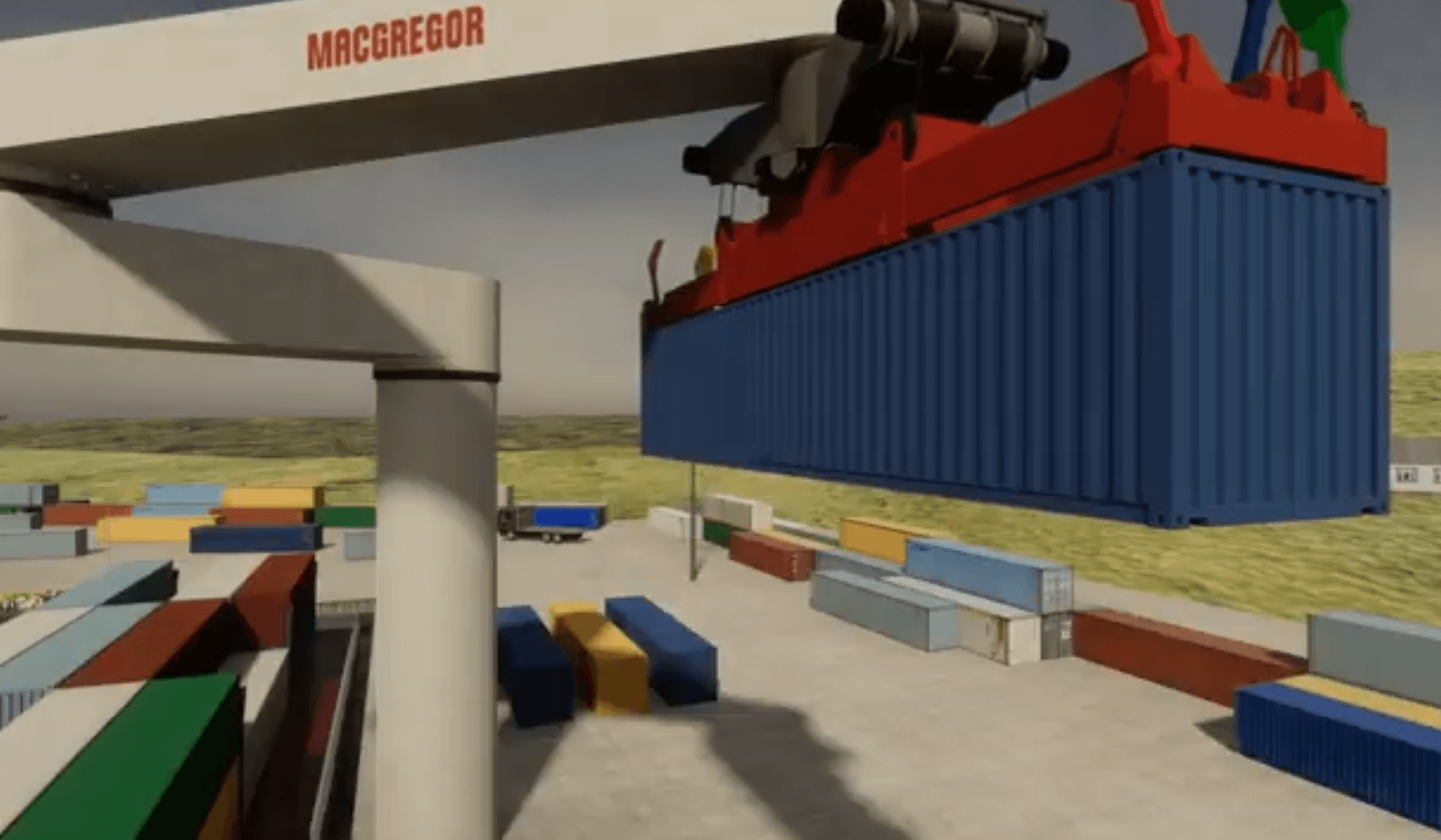
MacGregor is actively developing and testing autonomous cargo handling systems through the European Union-funded SEAMLESS Project. This initiative focuses on integrating smart cargo planning with robotic crane operations to streamline logistics processes. A significant milestone for the project is a planned live demonstration in October, which will take place at the Port of Antwerp-Bruges and involve the inland vessel LETITIA, showcasing the technology's application across Europe's inland waterways.
This project aims to improve operational efficiency, reduce human error, and potentially lower costs in cargo handling. The involvement of a major European port and an inland vessel highlights the practical, real-world application of these autonomous systems within the multimodal transport network.
For freight forwarders and operations managers, the successful implementation of such autonomous systems could lead to more predictable port calls, faster turnaround times for vessels, and optimized cargo flows. Increased automation in ports and on vessels may reduce labour-related delays and improve overall supply chain reliability, particularly for breakbulk and project cargo that often requires complex handling.
Looking ahead, the October demonstration will be crucial in validating the technology's readiness for broader adoption. The insights gained from these live operations will inform future developments and potential commercial deployment of autonomous cargo systems, influencing how cargo is planned and moved across European logistics networks.