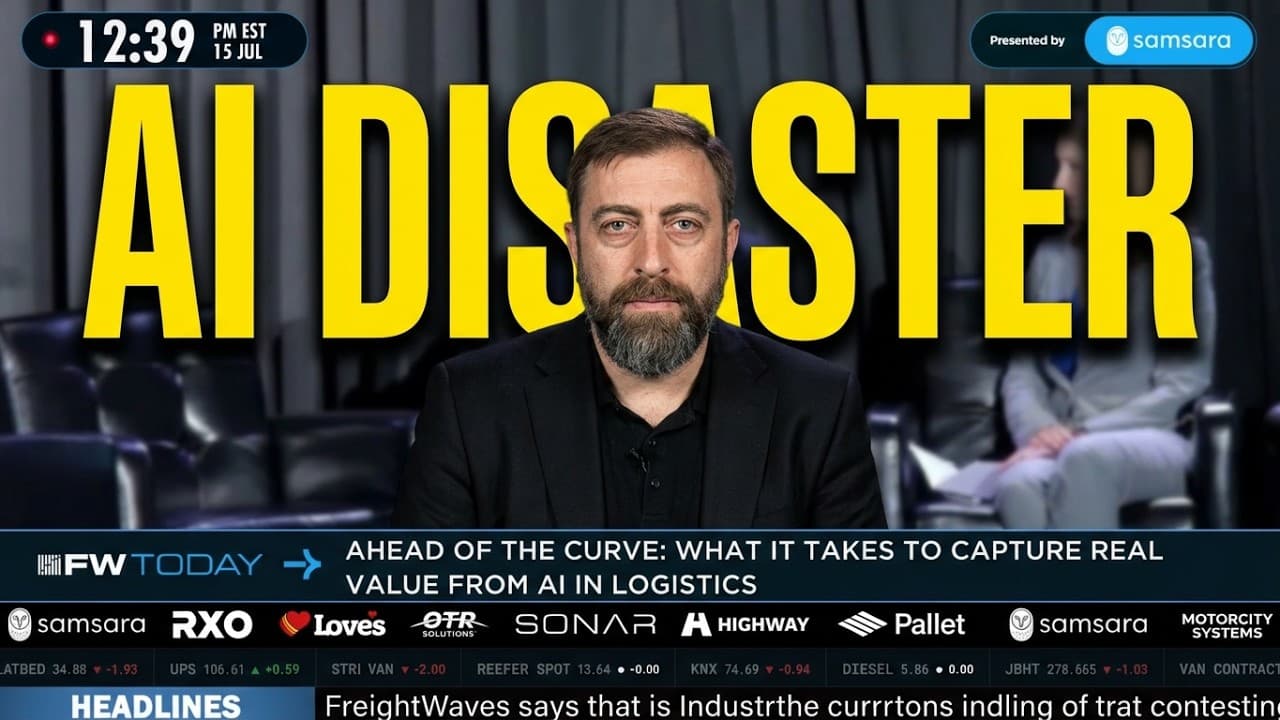
Many logistics companies have rapidly integrated Artificial Intelligence (AI) into their operations, often without a deep understanding of how to apply this technology effectively to their fundamental business processes. This approach has frequently resulted in substantial financial setbacks, with some companies reportedly losing tens of millions in valuation and even ceasing operations following major AI model deployments.
The core issue identified by industry experts is the tendency to develop AI solutions for 'corner cases' or specific, less critical scenarios, rather than focusing on the foundational aspects of the business that drive long-term value. This misdirection means that while companies invest heavily in AI, the solutions fail to address the most impactful operational challenges or generate meaningful returns.
For freight forwarders and operations managers, this trend underscores the importance of a strategic and informed approach to AI adoption. Instead of chasing hype, it is crucial to identify specific, high-impact areas where AI can genuinely optimize processes, improve efficiency, or enhance decision-making. This could involve using AI for demand forecasting, route optimization, capacity planning, or predictive maintenance, rather than for peripheral tasks. A clear understanding of business objectives and data quality is paramount to avoid costly AI implementation failures and ensure that technology investments translate into tangible operational benefits and competitive advantages.