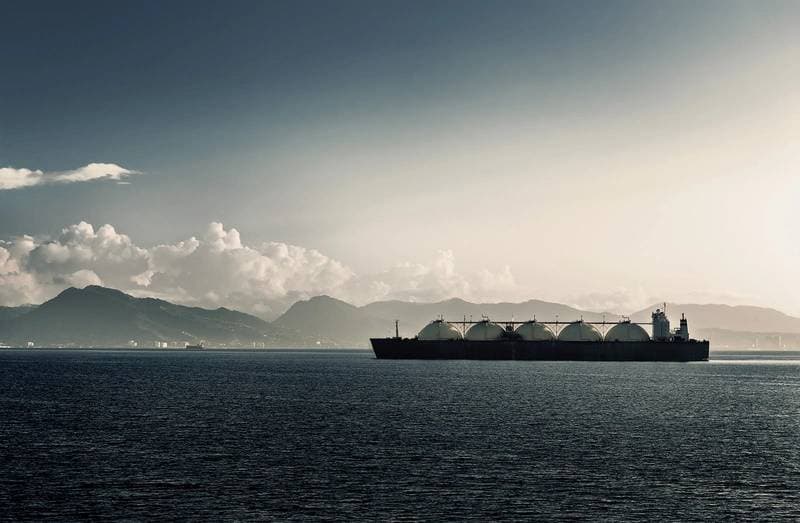
Liquefied natural gas (LNG) tankers have recently restarted their transits through the Strait of Hormuz, as indicated by ship-tracking data. This development comes amidst renewed hostilities in the Middle East, a region critical for global energy supplies. Japan has confirmed that 22 of its affiliated vessels have departed the Gulf since Tuesday, suggesting a cautious but continued movement of shipping through the vital chokepoint.
The Strait of Hormuz is a strategically important waterway, connecting the Persian Gulf to the open ocean, through which a significant portion of the world's oil and LNG passes. Previous escalations in regional tensions have often led to disruptions or increased security concerns for vessels operating in this area, impacting shipping schedules and insurance premiums.
For freight forwarders and shippers, the resumption of LNG tanker transits, even with ongoing regional tensions, signals a degree of operational continuity. However, the underlying geopolitical instability means that the risk of future disruptions remains elevated. Forwarders should monitor the situation closely, as any further escalation could lead to increased war risk premiums, potential re-routing, or delays, particularly for energy-related cargo. Capacity for LNG carriers could also be affected if security concerns intensify, impacting supply chains reliant on these shipments.